In the realm of herbal medicine, mastering the art of storage is crucial for maintaining the potency of extracts. According to a recent industry report by the Herbalist’s Guild, improper storage can lead to a significant reduction in efficacy, with up to 30% of active compounds diminished over time. This highlights the importance of knowing how to store herbal extracts properly.
Dr. Emily Greene, a leading expert in herbal pharmacology, emphasizes, “The stability of herbal extracts hinges on environmental factors.” She underlines that temperature, light, and humidity play pivotal roles. Herbal extracts should be kept in airtight containers away from sunlight. This prevents degradation and preserves their medicinal properties. Many often overlook these details, leading to disappointing results.
Adhering to best practices in storage is not just about preserving herbs; it’s about respecting nature’s gifts. While it may seem straightforward, even experienced herbalists can slip up. Regular reviews of storage methods can foster better quality outcomes. Taking the time to reassess storage techniques will ultimately yield more reliable herbal benefits.
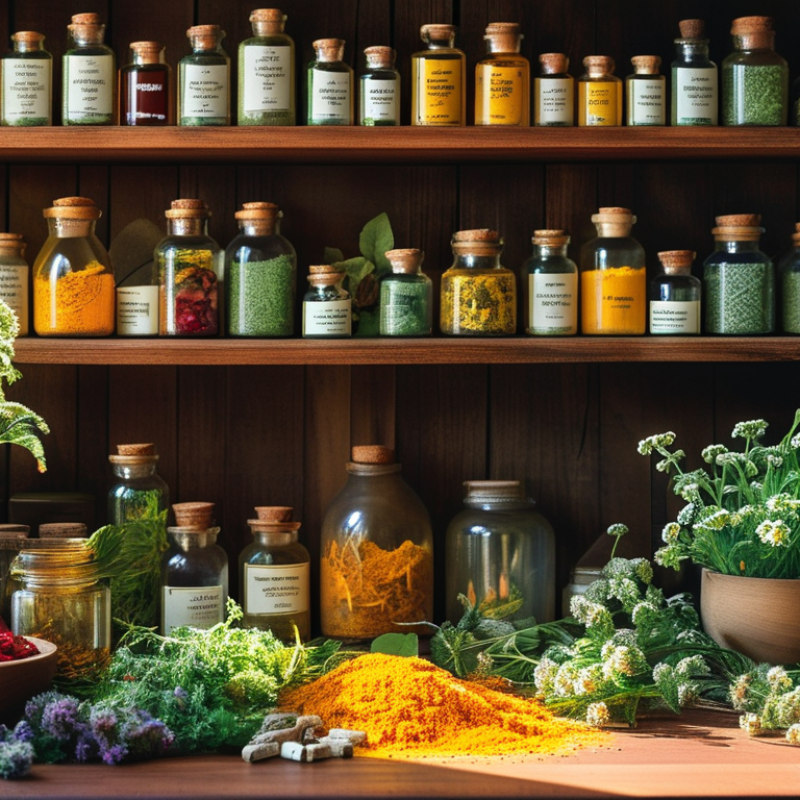
Understanding Herbal Extracts: Types and Their Storage Needs
When it comes to herbal extracts, understanding the different types is crucial. Herbal extracts can be liquid, powdered, or even in capsule form. Each type has distinct characteristics and varying storage requirements. Liquid extracts, often stored in amber bottles, should be kept away from sunlight to maintain their potency. Conversely, powdered extracts might require airtight containers to prevent moisture from degrading them.
Different herbs also bring unique challenges in storage. For instance, extracts from delicate flowers can lose their benefits faster than those from hardy roots. Temperature is another factor to keep in mind. While some extracts thrive in cool environments, others may prefer room temperature. Keeping a consistent environment can enhance longevity.
It's important to regularly check for changes. Occasionally, check for unusual odors or colors. If you notice anything off, reassess your storage methods. Sometimes, even the best intentions don’t prevent degradation. Reflecting on your practices can lead to improvements in how you store these valuable extracts.
Choosing the Right Containers for Herbal Extract Storage
When it comes to storing herbal extracts, choosing the right containers is crucial. According to the
National Center for Complementary and Integrative Health, improper storage can lead to
significant potency loss. Dark glass containers are often recommended to protect extracts from light degradation.
Clear containers may look appealing but can damage the quality over time.
Ensure your containers are airtight. Exposure to air can lead to oxidation, reducing the effectiveness of active
compounds. A study by the Journal of Ethnopharmacology indicates that extracts stored in vacuum-sealed
containers maintained their potency longer than those left exposed.
Tip: Always label your containers with the extraction date. This helps track the freshness of your extracts.
Consider using amber or cobalt blue glass, which provides excellent UV protection. While plastic might seem
convenient, it can leach chemicals into your extracts over time. Reflect on the materials you use; they can
greatly impact your herbal journey.
Ideal Temperature and Light Conditions for Herbal Extracts
When it comes to storing herbal extracts, temperature and light conditions are crucial. Research indicates that maintaining optimal temperatures between 15-25°C (59-77°F) significantly preserves the potency of herbal extracts. High temperatures can accelerate degradation, affecting their health benefits. A study published in the Journal of Herbal Medicine noted a dramatic reduction in bioactive compounds when extracts were stored above 30°C (86°F).
Light exposure also plays a significant role in extract stability. Ultraviolet light can break down the active ingredients. According to a report by the American Herbal Product Association, extracts stored in dark containers were 25% more stable than those kept in clear glass. Storing them in a cool, dark place can prevent this photodegradation.
Despite these best practices, many users overlook the importance of these factors. Some may keep their extracts in bathrooms or kitchens, where heat and light fluctuate. This negligence could lead to diminished efficacy and wasted resources. Understanding these conditions is vital for anyone using herbal extracts, as improper storage undermines their potential benefits.
Maintaining Proper Humidity Levels for Herbal Extract Longevity
When it comes to storing herbal extracts, humidity plays a crucial role in their longevity. Too much moisture can lead to mold, while too little can cause degradation of the extracts. It's essential to maintain humidity levels between 30% and 50% for optimal preservation. Utilize a hygrometer to monitor these levels regularly. This simple tool is invaluable in preventing potential spoilage.
Consider using airtight containers to shield your extracts from moisture. Glass jars with tight lids work well, but ensure they are completely dry before storage. If you find your location naturally humid, look into desiccants to absorb excess moisture. Be cautious, though; using too many desiccants could dry out your extracts. It’s a balance that requires attention.
Over time, you may notice that your herbal extracts lose potency or change in color. This is a sign that humidity levels might not be ideal. Don’t ignore these indicators. Experiment with different storage solutions until you find what works best for your environment. The goal is to maintain the integrity and effectiveness of the extracts you treasure.
10 Essential Tips for Properly Storing Herbal Extracts
| Tip Number |
Storage Method |
Recommended Humidity Level |
Temperature Range |
Duration of Storage |
| 1 |
Glass Containers |
30-50% RH |
15-25°C |
Up to 2 years |
| 2 |
Dark Bottles |
40-60% RH |
20-22°C |
1 year |
| 3 |
Vacuum Sealed Bags |
20-40% RH |
10-20°C |
2-3 years |
| 4 |
Plastic Containers |
35-55% RH |
15-20°C |
1 year |
| 5 |
Refrigeration |
30-50% RH |
4-10°C |
Up to 3 years |
| 6 |
Cool, Dark Place |
40-50% RH |
15°C |
1-2 years |
| 7 |
Avoid Moisture |
30-40% RH |
15-25°C |
Indefinite if handled properly |
| 8 |
Label Containers |
40-60% RH |
20°C |
Until expiration date |
| 9 |
Do Not Expose to Light |
30-50% RH |
20°C |
Indefinite if stored properly |
| 10 |
Regular Inspections |
35-45% RH |
15-25°C |
Ongoing |
Labeling and Organizing Your Herbal Extract Storage System
When it comes to herbal extract storage, proper labeling and organization are crucial. Research shows that mislabeling can lead to confusion and wasted product. A study from the American Herbal Products Association indicates that 30% of users fail to consistently store their herbal extracts correctly. This emphasizes the need for an effective storage system.
Establish a clear labeling system. Each container should indicate the herb's name, extraction date, and potency. Consider using color-coded labels for easy identification. This approach minimizes the risk of mixing extracts. Clear labels enhance safety and ensure that you utilize each extract at its best.
Organizing your storage space is equally important. Keep similar extracts together in a dedicated area. Use shelves or boxes to sort by type, such as tinctures or oils. This not only saves time but also prevents the extraction potency from deteriorating over time. Ensure the storage area is cool and dark, as light and heat can degrade the quality. Regularly review your stocks, noting any discrepancies. Regular checking aids in recognizing extracts that may be nearing expiration.
Conclusion
Storing herbal extracts properly is crucial for maintaining their potency and effectiveness. To achieve this, it's important to understand the different types of herbal extracts and their specific storage needs. Choosing the right containers, such as dark glass bottles that protect against light, can significantly prolong their shelf life. Additionally, ideal temperature and light conditions should be maintained to prevent degradation.
Humidity control is another critical factor; ensuring a dry environment helps preserve the extracts' quality over time. Finally, organizing and labeling your herbal extract storage system not only helps keep track of ingredients but also makes it easier to access them when needed. By following these essential tips, you can learn how to store herbal extracts properly and ensure their longevity for future use.

 Rubrum Biologics