What Factors Affect the Potency of Herbal Extracts?

Time:2026-08-11 Author:Mason
0%

The potency of herbal extracts is influenced by various factors, including the plant species, geographical origin, and extraction methods. A report from the World Health Organization highlights that consistent quality is crucial for herbal medicines to ensure safety and efficacy. Understanding what factors affect herbal extract potency is essential for both producers and consumers.

Different extraction techniques yield varying levels of active compounds. For instance, methods like cold pressing may retain more volatile oils, while solvent extraction can enhance potency. Industry studies show that a significant percentage of herbal products do not meet label claims for active ingredient concentrations. This discrepancy raises concerns about quality control and standardization in the herbal product market.

Moreover, environmental factors such as soil quality and climate can substantially influence the phytochemical profile of plants. Research indicates that even minor changes in growing conditions can lead to significant variances in extract potency. Thus, acknowledging what factors affect herbal extract potency helps ensure reliable therapeutic outcomes. This nuanced understanding fosters a more informed approach to using herbal remedies in health and wellness.
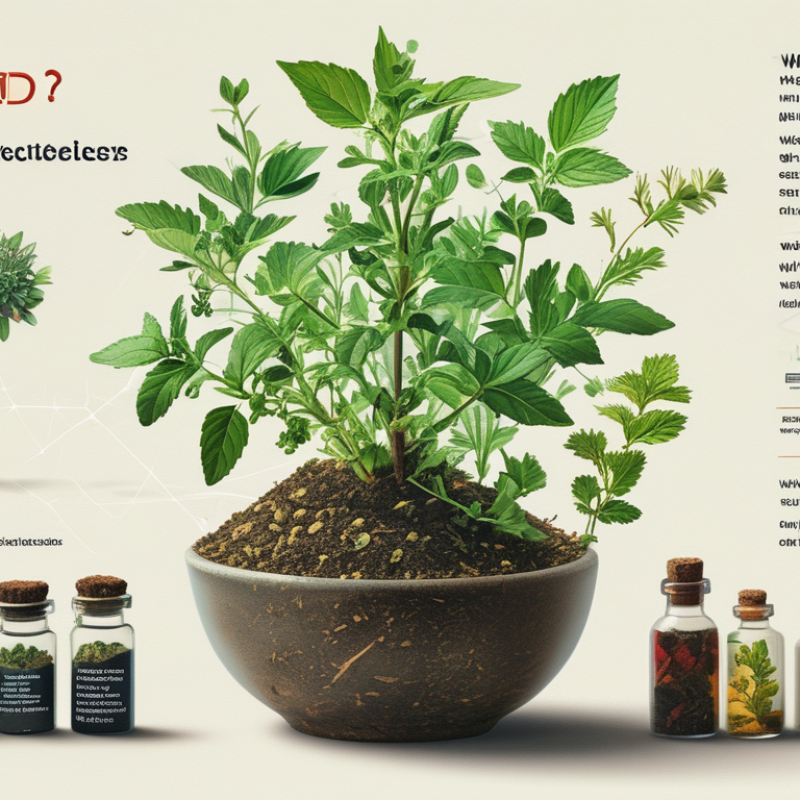
What Factors Affect the Potency of Herbal Extracts?

Factors Influencing the Selection of Herbal Plants for Extracts

Selecting herbal plants for extracts involves various factors. Species selection is crucial as each plant has unique active compounds. A study by the World Health Organization indicates that nearly 80% of the world’s population relies on herbal medicine. This statistic highlights the importance of choosing plants with medicinal properties.

Growing conditions also significantly affect herbal potency. Soil quality, climate, and cultivation techniques determine the concentration of bioactive compounds. For instance, herbs grown in nutrient-rich soils tend to have higher efficacy. Variability in harvesting time further complicates the selection process. Some constituents are only present at specific growth stages.

Additionally, traditional knowledge plays a role in selecting plants for extracts. Indigenous practices have often guided modern herbalism. Despite advances, the lack of standardization in extraction methods is a challenge. This inconsistency raises questions about the reliability of certain extracts. More rigorous research is necessary to improve quality and efficacy standards in the herbal industry.

Factors Affecting the Potency of Herbal Extracts

Herb Name Active Compounds Extraction Method Potency Level Cultivation Conditions
Ginseng Ginsenosides Ethanol Extraction High Shade and Humid
Turmeric Curcumin Hot Water Extraction Medium Warm and Dry
Milk Thistle Silymarin Cold Press Extraction High Temperate
Ashwagandha Withanolides Ethanol and Water High Warm and Sunny
Echinacea Alkamides Ethanol Extraction Medium Temperate and Moist

Methods of Extraction and Their Impact on Herbal Potency

Extraction methods play a crucial role in determining the potency of herbal extracts. Different techniques can yield varying concentrations of beneficial compounds. For example, alcohol extraction typically captures a broader spectrum of phytochemicals compared to water-based methods. This is largely due to the ability of alcohol to dissolve both hydrophilic and lipophilic substances. Yet, some argue that this may lead to overlooking other noteworthy components.

Moreover, the temperature and duration of the extraction process significantly influence the final product. Higher temperatures can accelerate extraction but may also degrade sensitive compounds. A shorter extraction time can preserve them, yet it may not yield maximum potency. The challenge lies in finding the optimal balance.

Traditional steeping methods often seem simpler but can overlook more efficient techniques like cold pressing or steam distillation. Each method has its strengths and weaknesses, and it’s essential to reflect on these nuances. This variability raises questions about standardization in herbal products. If consumers are unaware of these factors, they may not fully grasp the complexity of what they're using. This awareness is necessary for making informed choices in herbal remedies.

Role of Environmental Conditions on Herbal Composition

Environmental conditions significantly influence the potency of herbal extracts. Temperature, humidity, and soil quality can alter the chemical composition of plants. For instance, herbs grown in nutrient-rich soil often yield higher concentrations of active compounds. This can enhance their therapeutic effects. However, not all environmental impacts are positive or predictable.

Sunlight exposure plays a critical role in plant growth and potency. Too much sunlight can lead to stress, which may reduce beneficial compounds. Conversely, insufficient light can stunt growth and diminish efficacy. Water availability is another crucial factor. Overwatering can dilute the extracts, while drought conditions may lead to more concentrated compounds. Each herb responds uniquely to these variables.

Monitoring these conditions is essential for optimal herbal potency. It requires careful attention and sometimes experimentation. Not all growers understand these nuances well. This can lead to inconsistencies in herbal quality. These variables create a landscape of uncertainty. Understanding them is key for anyone interested in herbal medicine.

Chemical Properties of Plant Constituents Affecting Potency

The potency of herbal extracts is influenced greatly by the chemical properties of their constituent compounds. Key factors include the concentration of active ingredients, their solubility, and their bioavailability. For instance, flavonoids and alkaloids present in many herbs can exhibit varied effects based on their structural configurations. A study published in the Journal of Natural Products found that specific arrangements of hydroxyl groups in flavonoids significantly enhance their antioxidant properties, which are vital for therapeutic benefits.

The extraction method also plays a crucial role. Techniques like cold pressing, steam distillation, and solvent extraction yield different concentrations of active compounds. According to research from the Institute of Ethnopharmacology, some extraction processes can increase the bioactive potential of compounds by over 75%. However, not all extraction methods lead to effective results. Misleading reports may suggest otherwise without clear scientific backing.

Tip: When selecting herbal extracts, always consider the extraction method used. It can vastly change potency. Not all extracts are created equal. Make sure to consult reliable sources to understand the chemical composition and its implications on efficacy. Remember that more concentration does not always mean better performance. All herbs require proper research and consideration to maximize their healing potential.

Factors Affecting the Potency of Herbal Extracts

This chart illustrates the influence of various chemical properties on the potency of herbal extracts. Key factors include alkaloid content, flavonoid concentration, and total phenolic content, each measured in arbitrary units to represent their relative impact on potency.

Standardization and Quality Control in Herbal Extract Production

Herbal extracts can vary in potency due to many factors. One key element is the standardization of the extraction process. This process ensures that each batch contains consistent levels of active compounds. It involves using high-quality raw materials, expert techniques, and strict quality control measures.

Without proper standardization, it's difficult to guarantee the effectiveness of herbal extracts. Factors like the plant’s growing conditions, harvesting time, and extraction method can all play a role. For instance, extracting from plants during peak growth often yields better results. Quality control tests, such as chromatographic analysis, help ensure that each extract maintains consistent potency.

Tip: Always verify the source of herbal extracts. Look for products that provide transparency in their production methods.

Establishing reliable quality control measures is also crucial. Regular testing for contaminants, such as heavy metals or pesticides, is essential. However, not all manufacturers adhere to these standards. This lack of regulation makes it vital for consumers to conduct their own research before choosing an herbal product.

Tip: Research certifications that confirm quality assurance in herbal extracts. Awareness is essential for safe and effective use.

FAQS

: How do environmental conditions affect herbal extracts?

: Environmental factors like temperature, humidity, and soil quality can change the chemical makeup of herbs.

What role does sunlight play in herb growth?

Sunlight exposure influences plant potency. Too much light can stress plants, reducing beneficial compounds.

Why is water availability important for herbs?

Water levels affect extract concentration. Overwatering can dilute compounds, while drought may increase potency.

How can I monitor the optimal conditions for growing herbs?

Regular observation and experimentation are needed. Many growers lack knowledge in this area.

What is the significance of standardization in herbal extraction?

Standardization helps maintain consistent active compound levels across different batches of extracts.

How can I ensure the quality of herbal extracts?

Look for products with clear production methods and undergo quality control tests for contaminants.

What happens if quality control is neglected?

Neglecting quality control can lead to inconsistent potency and possible contaminants in herbal products.

Why should consumers research herbal products?

Not all manufacturers follow strict standards. Research helps ensure safe and effective use of extracts.

What tests are essential for checking herbal extract quality?

Quality control involves tests like chromatographic analysis to confirm potency and purity of extracts.

How can environmental variability create uncertainty in herbal quality?

Different growing conditions lead to variations in the active compounds present, causing unpredictable results.

Conclusion

The potency of herbal extracts is influenced by various factors that are essential for their effectiveness. One primary consideration is the selection of the herbal plants used for extraction, which can vary based on their biochemical profiles and therapeutic potential. Additionally, the methods of extraction play a crucial role; different techniques can yield extracts with differing concentrations of active compounds, thereby affecting potency.

Environmental conditions, such as soil quality and climate, also significantly impact the chemical composition of the plants, further influencing what factors affect herbal extract potency. Furthermore, understanding the chemical properties of plant constituents is vital, as these properties determine how active compounds interact and their overall efficacy. Finally, standardization and quality control processes in herbal extract production are critical to ensuring consistent potency across batches, contributing to the reliability of herbal remedies.

Mason

Mason

Mason is a seasoned marketing professional with a deep expertise in the company's offerings and a passion for driving brand awareness. With a strong background in digital marketing strategies, he has an innate ability to connect with diverse audiences and effectively communicate product benefits.......