How to Source Organic Herbal Extracts Globally?

Time:2026-09-20 Author:Charlotte
0%

How to source organic herbal extracts is no longer a simple search for the lowest supplier quote. Global demand is growing, while regulators and buyers expect stronger evidence of identity, purity, sustainability, and traceability. The FiBL and IFOAM Organics International report, The World of Organic Agriculture 2024, recorded 96.4 million hectares of organic farmland worldwide in 2022. It also valued the global organic market at approximately €135 billion. These figures reveal opportunity, but they also expose supply-chain pressure.

Quality begins at the field.

Roy Upton, founder of the American Herbal Pharmacopoeia, is often quoted as saying, “You cannot test quality into a product.” That principle matters when evaluating farms, collectors, processors, and extract manufacturers. A reliable sourcing process should verify botanical species, plant part, harvest location, cultivation method, organic certification, and batch traceability. It should also review pesticide residues, heavy metals, microbial limits, solvent residues, and the certificate of analysis.

Paperwork is not proof.

The WHO Global Traditional Medicine Strategy 2025–2034 emphasizes safety, quality, evidence, sustainability, and responsible integration. Therefore, global buyers should confirm certification under the target market’s rules, such as USDA Organic or European Union organic requirements. They should inspect facilities where possible, compare test results with independent laboratories, and question unexplained changes in color, aroma, or extraction yield. Organic status does not automatically guarantee potency or authenticity. That assumption remains common—and costly.

A practical sourcing plan should combine supplier audits, transparent documentation, suitable packaging, and realistic lead times. Weather, harvest variation, and geopolitical disruption can still affect availability. No checklist removes every risk. Good sourcing is a continuing review, not a one-time purchase.
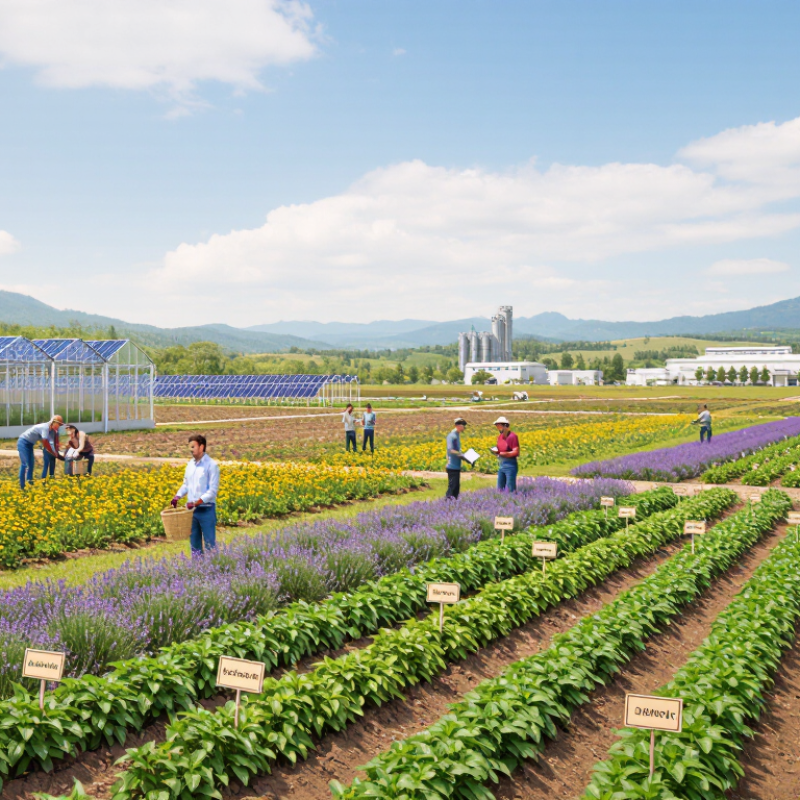
How to Source Organic Herbal Extracts Globally?

Define Organic Herbal Extracts and Their Global Market

Organic herbal extracts are concentrated preparations made from herbs grown and processed under recognized organic standards. Extraction may use water, ethanol, glycerin, or another permitted medium. The method affects color, aroma, solubility, and active compounds. “Natural” does not always mean “organic.” That distinction matters. A credible organic claim requires certification, traceability, and controlled handling from field to finished batch. Records should identify the plant part, harvest region, extraction ratio, and processing date. Definitions vary across markets.

The global market is expanding through demand for clean-label supplements, herbal beverages, personal care ingredients, and functional foods. Growth is not uniform. Consumers in different regions value different herbs, formats, and evidence. Some buyers prefer standardized extracts with measured marker compounds. Others prioritize traditional use, mild processing, or recognizable ingredients. Regulatory expectations also differ. One market may accept an organic certificate, while another requests additional residue, identity, or safety documentation. Currency shifts, climate events, and transport delays can change availability quickly. This makes global sourcing less predictable than a simple price comparison.

Experienced buyers assess suppliers beyond certificates. They review botanical identity tests, pesticide screens, heavy-metal results, microbial limits, and solvent records. A current certificate is important, but it cannot replace batch-level verification. Samples should match production material in smell, color, viscosity, and analytical profile. Clear packaging protects extracts from heat, light, and moisture during transit. Small inconsistencies deserve attention. An extract can meet paperwork requirements yet perform poorly in a finished formula. Supplier communication, retained samples, and independent testing reduce that risk. Still, no supply chain is perfect. Weather may alter potency, while translation gaps can hide practical problems.

Identify Suitable Herbs, Extract Types, and Quality Requirements

How to Source Organic Herbal Extracts Globally?

Selecting suitable herbs starts with a documented purpose, not a supplier catalogue. Define the plant species, plant part, origin, harvest season, and target compounds. Common extract options include water, ethanol, glycerin, and supercritical carbon dioxide. Each method changes solubility, flavour, stability, and allowable residue limits. A bitter root may suit an ethanol extract, while delicate flowers often need gentler processing.

Market data shows why careful identification matters. The WHO Global Report on Traditional and Complementary Medicine states that 170 of 194 Member States reported using traditional medicine. This wide usage increases demand, but it also raises substitution risks. Verify Latin binomial names and use macroscopic, microscopic, and chromatographic testing. DNA testing can support identification, although it may not confirm extract strength. Small details matter.

Quality requirements should follow recognized guidance, including WHO Good Agricultural and Collection Practices and relevant pharmacopoeial monographs. Request organic certificates, pesticide screens, heavy-metal results, microbial limits, solvent-residue data, and batch-specific certificates of analysis. Review harvest records, drying temperatures, extraction ratios, and storage conditions. The FAO reports that global food losses remain significant across supply chains, reminding buyers that post-harvest handling can undermine quality. A clean certificate is not proof of perfect material. Supplier questionnaires can miss seasonal variation. Require retained samples, independent testing, and traceability from field to sealed container. No checklist is perfect.

How to Source Organic Herbal Extracts Globally? — Identify Suitable Herbs, Extract Types, and Quality Requirements
Herb Botanical Identity Common Sourcing Regions Preferred Plant Part Suitable Extract Types Typical Standardization or Identity Markers Organic Sourcing Considerations Core Quality Requirements Recommended Authenticity and Safety Testing
Ashwagandha
Withania somnifera
Solanaceae family; verify the species and plant part because leaf and root have different chemical profiles. India and selected dry regions of Asia and Africa. Root; leaf-containing material should be separately declared. Dry powder Aqueous extract Hydroalcoholic extract Withanolides are commonly used as identity or standardization markers; the declared assay must specify the analytical method and plant part. Confirm certified organic cultivation, permitted post-harvest handling, traceability, and absence of undeclared synthetic withanolides. Botanical identity, moisture, ash, extractable matter, microbial limits, pesticides, heavy metals, aflatoxins, residual solvents, and withanolide profile. Macroscopic or microscopic examination, HPTLC or HPLC fingerprinting, DNA testing when appropriate, ICP-MS for metals, LC-MS screening for adulterants.
Turmeric
Curcuma longa
Zingiberaceae family; distinguish turmeric rhizome from related Curcuma species. India, Southeast Asia, and other tropical growing regions. Rhizome. Dried rhizome powder Aqueous extract Hydroalcoholic extract Oleoresin Curcuminoids, including curcumin, demethoxycurcumin, and bisdemethoxycurcumin, are common identity and assay markers. Require documentation that the crop is organically grown and that no non-organic carriers, colors, or processing aids were used. Curcuminoid assay, moisture, microbial limits, pesticides, heavy metals, aflatoxins, residual solvents, and screening for synthetic dyes. HPLC curcuminoid profile, microscopy, DNA testing where needed, and targeted analysis for unauthorized colorants such as Sudan dyes.
Ginger
Zingiber officinale
Zingiberaceae family; rhizome quality is affected by variety, maturity, drying, and storage. India, China, Nigeria, Peru, and other tropical and subtropical regions. Rhizome. Dried powder Aqueous extract Hydroalcoholic extract Oleoresin Gingerols and shogaols are commonly measured; volatile oil composition may support identity and quality evaluation. Control drying temperature and storage humidity to reduce mold risk and degradation of pungent constituents. Identity, gingerol and shogaol profile, moisture, microbial limits, pesticides, heavy metals, aflatoxins, and residual solvents. HPLC or LC-MS profiling, volatile-oil analysis by GC-MS, microscopy, and testing for added starches or exhausted material.
Milk Thistle
Silybum marianum
Asteraceae family; seed material should be distinguished from aerial parts. Mediterranean countries, Central Europe, North America, and other temperate regions. Fruit or seed, depending on the pharmacopeial definition used. Dry seed extract Hydroalcoholic extract Silymarin is a mixture of flavonolignans; silybin is often reported as a principal component, but the specification should define the calculation basis. Use verified seed lots and control contamination from other Asteraceae species and agricultural chemicals. Silymarin profile, moisture, foreign matter, microbial limits, pesticides, heavy metals, aflatoxins, and residual solvents. HPLC flavonolignan fingerprinting, microscopy, DNA testing when necessary, and quantitative contaminant analysis.
Green Tea
Camellia sinensis
Theaceae family; green tea differs from black tea mainly by processing and oxidation control. China, Japan, India, Sri Lanka, Kenya, and other suitable tea-growing regions. Young leaves and leaf buds. Aqueous extract Hydroalcoholic extract Spray-dried extract Total catechins, EGCG, caffeine, and polyphenols are common specification parameters; the caffeine level must be declared where relevant. Verify organic field certification, sustainable agricultural practices, correct harvest season, and protection from moisture and oxidation. Catechin and caffeine profile, moisture, microbial limits, pesticides, heavy metals, mycotoxins, and residual solvents. HPLC catechin profile, caffeine quantification, microscopy, isotope or traceability review when origin claims are material.
Echinacea
Echinacea purpurea
Asteraceae family; species and plant part must be stated because E. purpurea, E. angustifolia, and E. pallida differ chemically. North America and cultivated European regions. Root, herb, or a defined combination; the selected part must be specified. Fresh-plant juice extract Aqueous extract Hydroalcoholic extract Cichoric acid is commonly used for E. purpurea; alkamides and phenolic acids may support broader identity assessment. Confirm species, plant part, harvest stage, and organic status; avoid mixed-species lots unless intentionally formulated. Botanical identity, marker profile, moisture, microbial limits, pesticides, heavy metals, mycotoxins, and residual solvents. HPLC or LC-MS fingerprinting, microscopy, DNA barcoding for ambiguous material, and microbial testing.
Chamomile
Matricaria chamomilla
Asteraceae family; may also be traded under the synonym Matricaria recutita. Egypt, Germany, Hungary, Poland, Argentina, and other temperate or Mediterranean regions. Flower heads. Aqueous extract Hydroalcoholic extract Volatile oil Apigenin-7-glucoside and volatile-oil constituents such as chamazulene and bisabolol derivatives may be used for quality assessment. Protect flowers from excessive heat, light, and humidity; verify that the material is not diluted with stems or other Asteraceae species. Identity, volatile-oil profile, marker compounds, moisture, microbial limits, pesticides, heavy metals, aflatoxins, and residual solvents. Microscopy, HPLC flavonoid profile, GC-MS volatile-oil analysis, and DNA testing where species substitution is suspected.
Peppermint
Mentha × piperita
Lamiaceae family; a hybrid species whose essential-oil profile is strongly influenced by chemotype and processing. Europe, North America, North Africa, and other temperate growing regions. Leaves and aerial parts. Aqueous extract Hydroalcoholic extract Volatile oil Menthol and menthone are important volatile-oil markers; rosmarinic acid may be used for non-volatile extract evaluation. Define whether the material is leaf extract or essential oil and control storage conditions to limit volatile loss. Volatile-oil composition, marker assay, moisture, microbial limits, pesticides, heavy metals, and residual solvents. GC-MS or GC-FID essential-oil profile, HPLC phenolic profile, microscopy, and screening for dilution with cheaper mint oils.
Valerian
Valeriana officinalis
Caprifoliaceae family; roots and rhizomes should be separated from unrelated Valeriana species. Europe, Russia, and cultivated regions of North America. Root and rhizome. Aqueous extract Hydroalcoholic extract Dry root extract Valerenic acids and related sesquiterpenes are common quality markers; the specification should identify the selected marker group. Control post-harvest drying and storage because volatile constituents can change with time and temperature. Botanical identity, valerenic-acid profile, moisture, microbial limits, pesticides, heavy metals, mycotoxins, and residual solvents. HPLC or GC fingerprinting, microscopy, DNA testing where required, and analysis for substitution with other roots.
Licorice
Glycyrrhiza glabra
Fabaceae family; species confirmation is important because Glycyrrhiza species have different glycyrrhizin profiles. Central Asia, the Mediterranean region, China, and selected cultivated areas. Root and stolon. Aqueous extract Hydroalcoholic extract Deglycyrrhizinated extract Glycyrrhizin or glycyrrhetinic-acid-related compounds are commonly specified; deglycyrrhizinated products require a separate low-glycyrrhizin specification. Clearly declare glycyrrhizin level, species, plant part, and processing method; monitor for soil contaminants in root crops. Glycyrrhizin assay, identity, moisture, microbial limits, pesticides, heavy metals, aflatoxins, and residual solvents. HPLC marker analysis, microscopy, DNA testing, ICP-MS for metals, and screening for undeclared dilution or excessive glycyrrhizin removal.
Rosemary
Salvia rosmarinus
Lamiaceae family; Rosmarinus officinalis is a widely used botanical synonym. Mediterranean countries, North Africa, South America, and other warm temperate regions. Leaves and aerial parts. Aqueous extract Hydroalcoholic extract Oleoresin Volatile oil Carnosic acid, carnosol, rosmarinic acid, and volatile-oil constituents may be used depending on the extract type. Specify the intended function—flavor, antioxidant, or botanical extract—because marker requirements differ by application. Marker assay, volatile-oil profile where applicable, moisture, microbial limits, pesticides, heavy metals, and residual solvents. HPLC phenolic profile, GC-MS volatile-oil analysis, microscopy, and oxidation or stability testing for antioxidant extracts.
Ginkgo
Ginkgo biloba
Ginkgoaceae family; leaf extract should not be confused with ginkgo seeds or unstandardized leaf powder. China, South Korea, Japan, Europe, and North America. Leaves. Aqueous acetone extract Hydroalcoholic extract Dry leaf extract Flavonol glycosides and terpene lactones are commonly specified; ginkgolic acids should be controlled at a low level. Require a defined extraction ratio, validated removal of ginkgolic acids, and documented control of leaf harvest and drying. Flavonol glycosides, terpene lactones, ginkgolic acids, moisture, microbial limits, pesticides, heavy metals, mycotoxins, and residual solvents. HPLC or LC-MS fingerprinting, ginkgolic-acid testing, microscopy, DNA testing where necessary, and residual-solvent analysis.
Elderberry
Sambucus nigra
Adoxaceae family; ripe black elderberries must be distinguished from leaves, stems, and unripe fruit. Europe, North America, and selected cultivated regions. Ripe fruit. Juice concentrate Aqueous extract Spray-dried fruit extract Total anthocyanins and an anthocyanin fingerprint are commonly used; the analytical method and calculation basis should be stated. Control fruit maturity, processing temperature, and moisture; verify removal or absence of significant stem and leaf material. Anthocyanin profile, moisture, microbial limits, pesticides, heavy metals, mycotoxins, residual solvents, and foodborne pathogen testing where relevant. HPLC anthocyanin fingerprinting, microscopy, DNA testing for fruit identity, and screening for undeclared colorants or other fruit concentrates.
Quality specifications should be agreed with the intended market and application. Organic certification, pharmacopoeial requirements, permitted claims, contaminant limits, and testing frequency may differ by jurisdiction.

Evaluate International Suppliers and Verify Organic Certifications

Global sourcing of organic herbal extracts begins with supplier verification, not attractive certificates. The FiBL and IFOAM Organics International 2024 report recorded 96.4 million hectares of organic farmland worldwide in 2022. This scale creates opportunity, but it also increases traceability risks.

Request the current organic certificate before reviewing price. Check the certifier, farm scope, processing site, product category, and expiration date. The certificate must cover extraction, not only cultivation. Ask for transaction certificates linked to each lot. Match lot numbers across invoices, labels, test reports, and shipping documents. Small gaps matter.

Verify chain of custody through production records and mass-balance calculations. A supplier should explain how 1,000 kilograms of dried herbs became a specific extract volume. Request pesticide-residue, heavy-metal, microbial, solvent, and identity testing from an independent laboratory. Organic status does not prove potency or purity. That distinction is often missed.

The European Commission’s 2023 organic market report placed European organic retail sales near €53 billion in 2022. Growing demand can pressure suppliers to simplify documentation. Do not accept scanned certificates without checking them directly with the certifier. An on-site audit is stronger, although it is not perfect. In practice, seasonal sourcing, subcontracted extraction, and changing farms can weaken records. I would document these uncertainties rather than hide them. Supplier approval should remain conditional until recent lots show consistent identity, safety, and organic compliance.

Review Extraction Methods, Testing Standards, and Product Documentation

Global sourcing of organic herbal extracts depends on evidence, not attractive certificates. Extraction method affects both potency and contaminant risk. Water extraction suits many polysaccharides, while ethanol can recover broader polyphenol profiles. Supercritical carbon dioxide may reduce solvent residues, but it requires stronger process control. Suppliers should report plant part, origin, harvest season, solvent ratio, temperature, yield, and concentration factor. WHO’s Global Traditional Medicine Strategy 2025–2034 notes that 170 of 194 Member States report using traditional medicine. This scale makes consistent documentation essential.

Testing should follow validated methods and independent laboratory controls. Check identity through macroscopic, microscopic, chromatographic, or DNA-based methods when appropriate. Test microbial limits, heavy metals, pesticide residues, residual solvents, and aflatoxins. ISO/IEC 17025 accreditation supports laboratory competence, but it does not guarantee every result is suitable. Compare specifications with relevant pharmacopeial monographs and accepted AOAC or ISO methods. Request batch-specific certificates, organic certificates, allergen statements, stability data, and full traceability records. A perfect file is rare. Missing information should be disclosed, not polished away.

Tips: Ask for retained samples and raw chromatograms. Verify the laboratory independently. Confirm whether “organic” covers cultivation, processing, and storage. Review results across several batches, not one impressive report. Small inconsistencies may reveal seasonal variation, weak drying control, or an unsuitable extraction ratio.

How to Source Organic Herbal Extracts Globally?

Extraction conditions vary by solvent and process. Water extraction commonly uses ambient-to-hot conditions, ethanol-based extraction operates below ethanol’s boiling point under atmospheric pressure, and supercritical CO₂ extraction typically operates above CO₂’s critical temperature of 31.1°C.

Supplier qualification should also verify organic certification, botanical identity, adulteration screening, pesticide residues, heavy metals, microbiological quality, residual solvents, batch traceability, certificates of analysis, and current product specifications. The temperature ranges shown are representative process ranges rather than universal manufacturing specifications.

Manage Global Sourcing, Import Rules, Logistics, and Supply Risks

How to Source Organic Herbal Extracts Globally?

Manage Global Sourcing, Import Rules, Logistics, and Supply Risks

Global sourcing begins with botanical identity, not a polished supplier profile. Request the Latin plant name, plant part, extraction solvent, country of origin, and harvest season. Review current organic certificates, audit reports, and laboratory results for pesticides, heavy metals, microbes, and residual solvents. I would also ask for batch-level traceability, from farm records to sealed export cartons. Samples should match commercial specifications. They often do not.

Import rules vary by destination and product classification. Confirm the correct tariff code, organic documentation, certificates of analysis, origin records, and labeling requirements before payment. Some markets restrict particular plant species, extracts, or health claims. A qualified customs broker can check permits and clearance procedures, but the importer remains responsible. Do not treat a forwarded certificate as final proof.

Logistics can change product quality quickly. Use moisture-barrier packaging, tamper-evident seals, and shipment monitoring when heat or humidity may affect the extract. Agree on Incoterms, insurance, inspection points, and rejection procedures in writing. Keep safety stock before harvest gaps, port delays, or sudden regulatory reviews. Dual sourcing reduces exposure, though it may create inconsistent color, potency, or flavor. That trade-off needs testing, not assumptions. I have seen careful plans fail because a supplier changed its drying method without notice. Regular communication helps, but documented controls matter more.

FAQS

What information should buyers define before sourcing an organic herbal extract?

Define the Latin binomial name, plant part, origin, harvest season, and target compounds. A dried root is not the same as a flower. Write the intended use clearly before contacting suppliers. Supplier catalogues alone are not enough.

Which extraction method is suitable for different herbs?

Water extraction often suits polysaccharides and gentle botanical materials. Ethanol can recover broader polyphenol profiles from bitter roots. Glycerin may support mild, low-temperature processing. Supercritical carbon dioxide can reduce solvent residues but needs strict process control. The best method depends on solubility, flavour, stability, and residue limits.

How can buyers confirm that the correct herb was supplied?

Check the Latin name, plant part, appearance, and production records. Use microscopic, chromatographic, or DNA-based testing when appropriate. DNA testing can support identity. It may not prove extract strength. Test more than one batch.

What documents should an organic extract supplier provide?

Request a current organic certificate covering cultivation and extraction. Check the certifier, product scope, processing site, and expiration date. Ask for lot-linked transaction certificates and batch-specific analysis reports. Review pesticide, heavy-metal, microbial, solvent, and identity results. A clean file is helpful, not conclusive.

How can buyers verify organic certification and traceability?

Confirm the certificate directly with the issuing organization. Match lot numbers across invoices, labels, reports, and shipping documents. Ask how dried herbs became the final extract volume. For example, 1,000 kilograms should produce a documented extract quantity. Small gaps matter.

Which safety tests are important for herbal extracts?

Request testing for microbes, heavy metals, pesticide residues, residual solvents, and aflatoxins. Check relevant quality monographs and validated laboratory methods. Independent laboratories provide stronger evidence than supplier-only testing. Laboratory accreditation helps, but it does not guarantee every result is suitable. Review raw chromatograms when possible.

How should buyers evaluate extraction and storage records?

Request the solvent, ratio, temperature, extraction yield, and concentration factor. Review drying temperatures and storage conditions. Ask whether subcontractors handled any production stage. Retained samples can reveal changes after delivery. Post-harvest handling may weaken quality.

What should buyers do when supplier information is incomplete?

Record the missing information instead of quietly filling the gaps. Request recent samples and independent testing before approval. Compare several batches for identity, safety, and consistency. Seasonal variation can affect colour, strength, and yield. No checklist is perfect.

Conclusion

Learning how to source organic herbal extracts globally begins with understanding the market, the differences between whole-herb, liquid, powder, and standardized extracts, and the quality requirements for each intended use. Buyers should identify suitable herbs according to origin, potency, sustainability, application, and expected supply volume. Clear specifications for botanical identity, active compounds, purity, moisture, contaminants, allergens, and packaging help create consistent purchasing standards.

A reliable sourcing process also requires careful evaluation of international suppliers, including verification of valid organic certifications, traceability systems, production capabilities, and independent quality records. Buyers should review extraction methods, laboratory testing, certificates of analysis, safety documentation, and technical specifications before placing orders. Finally, successful global sourcing depends on understanding import procedures, labeling expectations, shipping conditions, storage requirements, lead times, and potential supply risks. Diversifying qualified suppliers, maintaining open communication, and preparing contingency plans can support a stable, transparent, and compliant supply chain.

Charlotte

Charlotte

Charlotte is a seasoned marketing professional with a deep understanding of the company's portfolio and a passion for elevating its presence in the market. With a keen eye for detail and a commitment to excellence, she ensures that our professional blog is regularly updated with insightful articles......