Natural plant extracts have gained significant attention in various industries. Many are curious about what are the benefits of natural plant extracts. These extracts are rich in bioactive compounds. They can enhance health, beauty, and wellness. The appeal lies in their potential to provide numerous advantages without harsh chemicals.
Exploring the positive effects of these extracts is essential. For example, they can boost immunity or promote skin health. However, it's vital to approach these claims critically. Not all extracts are equally effective. Some may lack sufficient evidence to support their benefits. Understanding the right dosages and applications is crucial for harnessing their full potential.
Moreover, the extraction process can influence the quality and efficacy of these natural products. Therefore, sourcing from reliable and reputable suppliers is necessary. As consumers, we must navigate this landscape carefully. Evaluating scientific studies and expert insights can guide informed choices. In this way, we can truly benefit from the power of nature’s offerings.
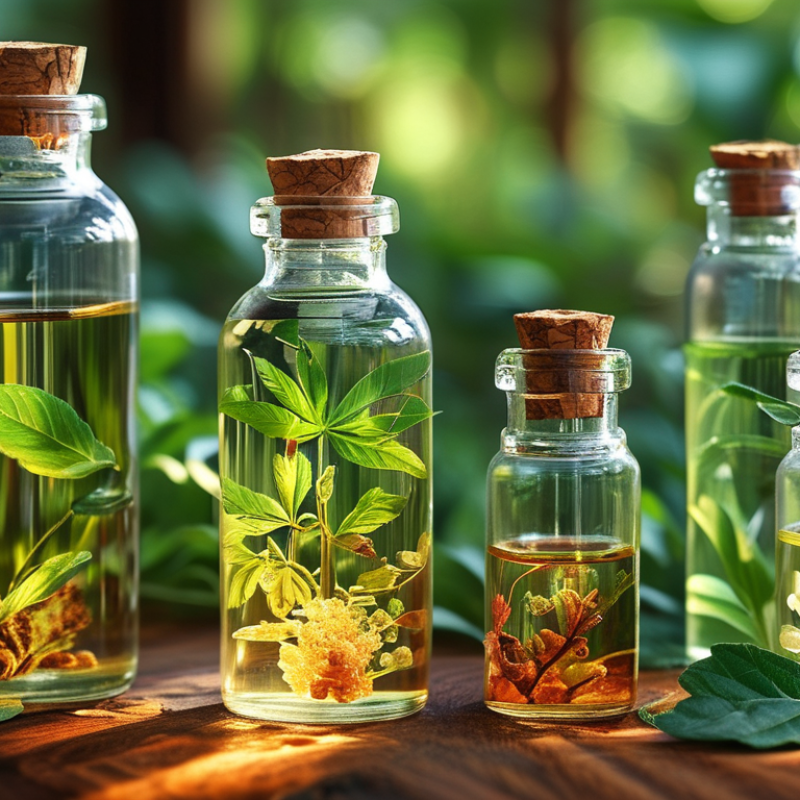
Understanding Natural Plant Extracts and Their Benefits
Natural plant extracts have gained significant attention for their diverse health benefits. Research indicates that the global herbal extract market is expected to reach approximately $10 billion by 2026. This growth is driven by increasing consumer interest in natural ingredients over synthetic alternatives.
One of the key benefits of natural plant extracts is their rich phytochemical content. For instance, flavonoids, found in various fruits and vegetables, exhibit strong antioxidant properties. A study published in the Journal of Ethnopharmacology showed that these compounds could reduce oxidative stress and inflammation. Furthermore, plant extracts like turmeric and green tea are known for their anti-inflammatory effects, making them popular choices for dietary supplements.
Despite their promising benefits, the standardization of natural plant extracts poses challenges. Variations in plant potency can affect product efficacy. A report from the World Health Organization highlights that inconsistent quality can lead to variability in health outcomes. This underlines the need for rigor in processing and testing these extracts to ensure reliable results. The conversation around natural plant extracts is evolving, emphasizing both their potential and the need for careful consideration in their use.
Types of Natural Plant Extracts Used in Various Industries
Natural plant extracts have gained significant traction across various industries. In the food sector, they enhance flavor and provide natural preservatives. According to a report by Allied Market Research, the global natural food additives market is expected to reach $25 billion by 2025. Essential oils derived from herbs like rosemary and thyme are notable for their antimicrobial properties. These plant extracts not only prolong shelf life but also resonate with consumer demand for cleaner labels.
In the beauty industry, natural extracts such as aloe vera and green tea are popular for their therapeutic benefits. Research from the Global Cosmetic Industry indicates that 74% of consumers prefer products with natural ingredients. Aloe vera is well-known for its moisturizing qualities, making it a staple in skincare formulations. However, the sourcing of these ingredients can sometimes lead to sustainability concerns. There's a fine balance between demand and ethical harvesting that needs careful consideration.
The pharmaceutical industry also heavily relies on natural extracts. Plant compounds are used for their medicinal properties. A study published in the Journal of Ethnopharmacology found that over 25% of modern medicines originate from plant-derived substances. While the benefits are evident, challenges in standardization and quality control exist. Ensuring consistent efficacy and safety of these extracts remains an ongoing challenge for researchers and manufacturers alike.
Methods of Extracting Beneficial Compounds from Plants
Natural plant extracts offer numerous health benefits. Extracting these beneficial compounds requires careful methods. Different techniques have unique advantages and drawbacks that can impact the quality and potency of the extracts.
Steam distillation is a popular method. It separates volatile compounds from plant material using steam. This method is efficient but may alter some delicate compounds. Cold pressing is another option, primarily used for citrus peels. This technique preserves the integrity of the oils but has limitations in terms of volume.
For optimal extraction, consider the plant's characteristics. Harder materials may require maceration or solvent extraction. Alcohol or oil serves as proficient solvents for extracting a wide range of compounds. Experimentation is key here. Always start small, adjusting variables like temperature and time.
Reflect on the sustainability of your methods. Harvest responsibly to ensure the longevity of plant species. Overextraction can have serious ecological impacts. Consider consulting with experts or academic resources to guide your practices effectively. Choosing the right extraction method is vital for harnessing the true benefits of natural plant extracts.
Applications of Natural Plant Extracts in Health and Wellness
Natural plant extracts have gained attention in health and wellness. These extracts offer a range of benefits. They can support digestion, boost immunity, and enhance skin health. Their natural origins make them appealing in various applications. For instance, herbal teas are popular for their soothing properties. Certain extracts can also provide anti-inflammatory effects.
Research shows that plant extracts can play a role in mental well-being. Adaptogenic herbs like ashwagandha help the body manage stress. They promote balance, aiming to improve overall mood. However, the science is evolving. Some claims may need more rigorous study. This underscores the importance of consulting health professionals before use.
Incorporating these extracts into daily routines can be simple. Smoothies, supplements, and topical applications are common methods. Nevertheless, quality matters. Not all products are created equal. Consumers should reflect on sourcing and extraction methods. Transparency in this area builds trust and ensures effective usage of natural plant extracts.
2026 How to Harness Benefits of Natural Plant Extracts? - Applications of Natural Plant Extracts in Health and Wellness
| Natural Plant Extract |
Health Benefits |
Common Applications |
Dosage Forms |
| Turmeric Extract |
Anti-inflammatory, Antioxidant |
Joint health, Digestive support |
Capsules, Powders, Teas |
| Ginger Extract |
Nausea relief, Anti-inflammatory |
Digestive aid, Cold & flu remedy |
Teas, Capsules, Gummies |
| Green Tea Extract |
Antioxidant, Metabolism booster |
Weight management, Cardiovascular health |
Capsules, Powders, Drink mixes |
| Echinacea Extract |
Immune support |
Cold prevention, Respiratory health |
Teas, Tinctures, Capsules |
| Ashwagandha Extract |
Stress relief, Hormonal balance |
Mood support, Adrenal health |
Capsules, Powders, Extracts |
Future Trends and Research in Natural Plant Extract Utilization
As the global demand for natural ingredients rises, the research on plant extracts continues to gain momentum. Reports indicate that the global natural extracts market is expected to grow by over 10% annually until 2026. This trend signals a shift towards sustainable plant-based solutions in various industries, including food, cosmetics, and pharmaceuticals.
Emerging studies reveal that plant extracts possess unique bioactive compounds. For instance, flavonoids and polyphenols have shown potential in supporting health and wellness. However, the bioavailability of these compounds often poses challenges. In some cases, traditional extraction methods fail to retain their beneficial properties. This discrepancy highlights a need for improved extraction techniques and comprehensive research on these natural resources.
Researchers are increasingly focusing on innovative extraction methodologies. Techniques like supercritical fluid extraction are gaining traction. These methods promise higher yields with better purity. Yet, there remains a knowledge gap regarding the long-term effects of consuming concentrated plant extracts. Addressing these concerns will require rigorous testing and transparent reporting, ensuring consumer safety and trust in these natural solutions.
2026 Trends in Natural Plant Extract Utilization
FAQS
: Natural plant extracts offer various health benefits, such as supporting digestion and boosting immunity. They also enhance skin health.
Extracting compounds requires careful methods like steam distillation and cold pressing. Each has unique advantages and limitations.
Steam distillation uses steam to separate volatile compounds from plant materials. It's efficient but may change delicate compounds.
Quality impacts efficacy. Variations can lead to inconsistent health outcomes. Reliable processing is essential for effectiveness.
While many are considered safe, consulting health professionals is crucial. Some claims may lack rigorous studies and evidence.
Consider using smoothies, supplements, or topical applications. Quality sourcing and extraction methods matter for effectiveness.
Adaptogenic herbs, like ashwagandha, help manage stress and promote balance. They may improve overall mood and well-being.
Yes, overextraction can harm plant species and ecosystems. Sustainable practices are necessary to protect natural resources.
Reflect on sourcing and extraction methods. Transparency in these areas helps ensure effective use and builds consumer trust.
Conclusion
Natural plant extracts have garnered significant attention for their numerous health benefits, making them vital in various industries. Understanding these extracts involves recognizing the multitude of beneficial compounds they contain, ranging from antioxidants to anti-inflammatory agents. The extraction methods, whether through steam distillation, solvent extraction, or cold pressing, play a crucial role in maximizing their efficacy.
In health and wellness, natural plant extracts are utilized in dietary supplements, functional foods, and skincare products, highlighting what are the benefits of natural plant extracts. As consumers increasingly seek natural alternatives, the future of these extracts looks promising. Ongoing research is expected to unveil new applications and enhance our understanding of these compounds, ensuring their integration into daily health and wellness practices.

 Rubrum Biologics