What is the shelf life of herbal extracts? Buyers often expect one clear number, but the answer depends on the extract’s chemistry, processing, packaging, and storage conditions. A dry powder may remain stable for years in a sealed, moisture-resistant pouch. A liquid extract can change sooner, especially after opening. Heat, oxygen, light, and repeated handling can gradually affect color, aroma, potency, and microbial quality.
This guide explains how experienced buyers should assess shelf life before placing an order. Check the manufacturing date, expiry date, recommended storage temperature, batch number, and retest information. Request a current certificate of analysis, stability data, and clear testing methods from the supplier. A reliable supplier should explain whether the stated shelf life applies to unopened stock only. That detail is easy to miss.
Look closely at the container. A swollen bottle, clumped powder, unusual odor, or leaking seal deserves investigation. These signs do not prove contamination, but they should stop a rushed purchase. Store products in cool, dry, dark conditions, away from strong odors and temperature swings. Keep opened containers tightly closed and record the opening date.
Shelf life is not a guarantee of full performance. It is an estimate supported by evidence. Some supplier claims may be incomplete. Even experienced buyers can overlook transport conditions or poor warehouse rotation. A careful review of specifications, packaging, testing records, and supplier history helps reduce that risk. When quality matters, independent verification may be worth the added cost.
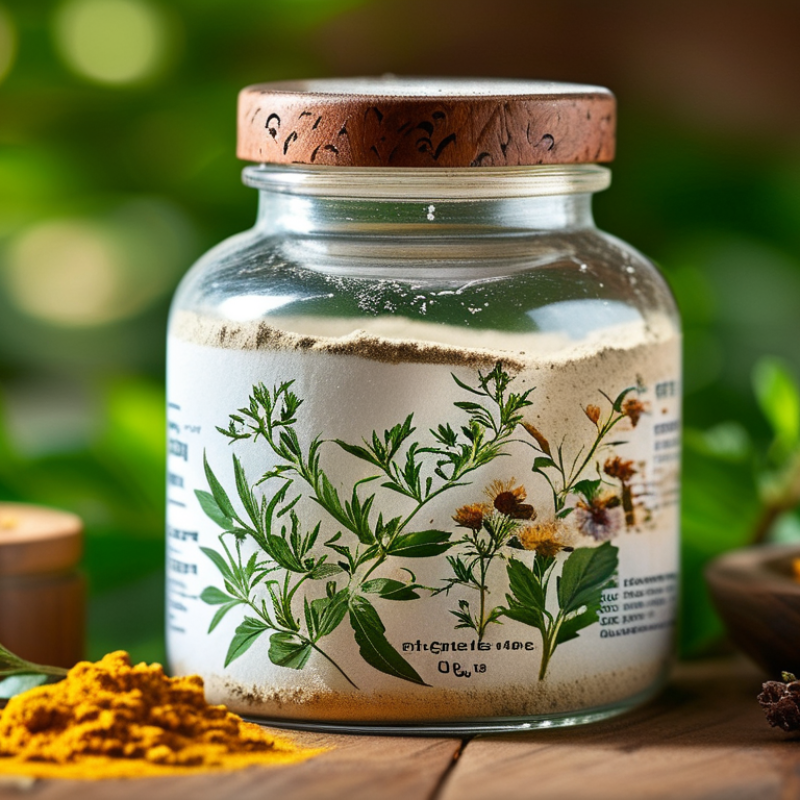
Herbal extracts do not have one universal shelf life. Their stability depends on the plant, extraction solvent, moisture level, and concentration. A dry powder usually behaves differently from a glycerin or liquid extract. Some botanical compounds also oxidize faster than others. Heat and light can accelerate this change.
From practical quality checks, oxygen is often underestimated. An opened container may develop a different color, smell, or texture within weeks. Water activity matters too, because hidden moisture can support microbial growth. Clean processing, suitable preservatives, and tightly sealed packaging reduce these risks. Amber containers can limit light exposure, but they cannot correct poor manufacturing.
Storage conditions are equally important. Keep extracts cool, dry, and away from direct sunlight. Avoid repeated opening in humid rooms, especially for powdered materials. Batch testing should examine appearance, odor, moisture, microbial quality, and key active compounds. Stability studies under real and accelerated conditions provide stronger evidence than a guessed date.
A printed expiry date is not enough. It reflects tested conditions. It may not match a hot warehouse or a frequently opened jar. I have seen storage habits shorten practical usability, even when the label looked reassuring. When an extract shows caking, unusual odor, color shifts, or visible growth, stop using it and request professional evaluation. Shelf life is a measured outcome, not a promise.
Typical unopened shelf-life ranges vary by extract format, solvent, moisture content, oxygen exposure, packaging, and storage temperature. Dry extracts commonly remain stable for about 24 months, while ethanol-based extracts may remain stable for up to 36 months. These ranges are general industry guidance; the actual expiry date should be confirmed through supplier stability data, batch testing, and the product label.
Herbal extracts rarely expire with a single dramatic change. They decline gradually, especially when exposed to heat, light, oxygen, or moisture. Check the printed expiration date and lot information first. A date is useful, but it cannot replace proper storage records. Keep the container closed and compare its condition with earlier notes or photographs. This simple habit often reveals small changes sooner.
Look for warning signs: a sour, rancid, or unusually fermented odor; unexpected darkening; cloudiness; separation; thick clumps; or a sticky surface. Powdered extracts may develop hard lumps when moisture enters. Liquid extracts can form sediment, but sediment is not automatically spoilage. The extract’s original specifications matter. Mold, bubbling, leaking seals, swollen packaging, or insect activity are stronger reasons to reject it. Do not taste a questionable product. Stay cautious. A pleasant smell does not prove safety.
I treat sensory inspection as a screening step, not a laboratory verdict. Some active compounds fade without obvious visual changes. When quality matters, request a current certificate of analysis from a qualified laboratory, especially after poor storage or a broken seal. Record the appearance, odor, temperature exposure, and opening date. My first judgment can be wrong; lighting can exaggerate color differences, and natural batches vary. When two observations conflict, quarantine the extract and seek professional quality advice. Do not guess.
| Extract Type | Typical Unopened Shelf Life* | Typical Post-Opening Guidance | Main Storage Conditions | Common Expiration Signs | Buyer Quality Checks |
|---|---|---|---|---|---|
| Dry powder extract | Usually 24–36 months when properly sealed and protected from moisture. | Use promptly after opening; reseal immediately and minimize exposure to humid air. | Cool, dry, dark location; airtight, moisture-resistant packaging; avoid repeated temperature changes. | Hard clumps, caking, dampness, unusual odor, discoloration, visible mold, or insect activity. | Request a specification sheet, lot number, manufacture date, retest or expiry date, moisture data, and microbiological results. |
| Granulated extract | Commonly 18–36 months, depending on carrier ingredients and moisture control. | Keep the container closed between uses and follow the supplier’s validated recommendation. | Store below the labeled temperature limit, away from sunlight and high relative humidity. | Loss of free-flowing texture, sticky particles, faded color, stale odor, or unexpected dissolution behavior. | Check carrier composition, water activity or moisture limits, particle-size requirements, and batch uniformity data. |
| Liquid water-based extract | Often 6–24 months; shorter if preservation and aseptic controls are limited. | Refrigerate only when the label or validated stability data requires it; use within the stated in-use period. | Protect from heat and light; prevent contamination from droppers, scoops, or repeated opening. | Gas formation, swelling container, sediment not described in the specification, sour or fermented odor, turbidity, mold, or phase separation. | Request preservative efficacy information, microbial limits, pH range, fill-volume controls, and stability data after opening. |
| Glycerin-based extract | Typically 12–24 months, subject to glycerin concentration, water content, and microbial testing. | Close tightly after each use and observe the supplier’s in-use period. | Cool, dark, hygienic storage; avoid dilution or contact with wet utensils. | Unexpected sourness, gas, cloudiness, mold, separation, or a noticeable change in viscosity or color. | Verify glycerin-to-water ratio, microbial specifications, pH, container compatibility, and preservative status. |
| Hydroalcoholic liquid extract | Often 24–36 months in well-sealed, compatible containers. | Limit evaporation by closing the container immediately after dispensing. | Cool, dark storage; keep away from heat, flames, and incompatible packaging materials. | Alcohol odor changes, reduced volume, leakage, unexpected precipitation, color shift, or damaged closure. | Confirm alcohol percentage, solvent ratio, closure integrity, flammability controls, and assay stability. |
| Oil-based extract | Commonly 12–24 months, depending on the carrier oil and oxidation protection. | Reduce air exposure and use within the specified in-use period after opening. | Protect from oxygen, light, and heat; use a compatible, well-sealed container. | Paint-like or rancid odor, bitter off-taste, darkening, excessive viscosity change, or surface film. | Request peroxide value, acid value, carrier-oil identity, antioxidant information, and light/heat stability results. |
| Soft extract or thick concentrate | Usually 12–24 months, with significant variation based on residual water and packaging. | Use clean dispensing tools and minimize repeated warming, cooling, and air exposure. | Airtight, light-resistant packaging; follow the defined temperature range and handling procedure. | Mold, fermentation odor, unexpected hardening or liquefaction, bubbling, or significant color change. | Check residual solvent or water limits, microbial testing, viscosity range, and container-closure compatibility. |
*Important: Shelf-life ranges are general industry guidance, not a substitute for the product’s labeled expiry or validated stability data. Do not use an herbal extract that shows mold, fermentation, rancidity, leakage, swelling, or other clear signs of deterioration, even if the printed date has not passed.
Herbal extract shelf life depends less on the calendar than on storage conditions. Heat, moisture, light, and oxygen can gradually reduce color, aroma, potency, and microbiological quality. Store extracts in a cool, dry room, ideally between 15°C and 25°C. Avoid windows, radiators, and areas near sinks. A stable environment matters more than occasional temperature changes.
Keep the original container tightly closed after every use. Use opaque, food-grade packaging when light-sensitive compounds are involved. Do not place wet tools inside the container. Even small amounts of water can encourage clumping or spoilage. I have found that clear labeling prevents many avoidable mistakes. Record the opening date, batch number, supplier specifications, and storage location. A printed expiry date is useful, but it cannot replace inspection. Unusual odors, color changes, hardening, or visible growth require caution. When quality is uncertain, laboratory testing is safer than guessing.
Tips: Keep containers off the floor. Use clean, dry scoops. Rotate older stock first. Never store extracts beside strong-smelling materials. For liquid extracts, check whether refrigeration is recommended, because cold temperatures may change texture or cause separation. Some powders remain stable for months, while others lose quality quickly after opening. That difference is easy to underestimate. Regular reviews of humidity and temperature records can reveal problems before the extract is used. Even experienced handlers miss details sometimes.
Shelf Life Differences Among Common Herbal Extract Types
Not all extracts age alike. Dry powdered extracts often remain stable for 24–36 months when moisture stays low. WHO’s Quality Control Methods for Herbal Materials stresses moisture, microbial limits, and marker-compound testing. These factors matter more than the date printed on a container.
Liquid hydroalcoholic extracts commonly carry 12–24 month shelf-life targets. Alcohol slows microbial growth, but evaporation can change concentration after opening. Glycerin extracts are usually more sensitive, with practical targets around 6–18 months. Oil extracts may last 6–12 months because oxygen, light, and heat accelerate rancidity. These ranges are industry benchmarks, not universal guarantees.
Stability work should follow controlled conditions. ICH Q1A(R2) uses 25°C/60% relative humidity for long-term testing and 40°C/75% for accelerated testing. WHO Technical Report Series No. 1010, Annex 10, also recommends tracking chemical, physical, and microbiological changes. A dry extract may cake before its active markers decline. That is easy to miss. Dark glass, tight closures, and smaller packages can reduce exposure after opening. USP General Chapter <659> highlights storage conditions and packaging compatibility. In practice, one weakness remains: many small suppliers rely on inherited dates instead of complete real-time studies. An unopened extract and a frequently opened extract should not receive identical handling assumptions.
Herbal extract safety starts before opening the bottle. The World Health Organization reported that 170 of 194 member states use traditional medicine. This wide use increases the need for reliable quality controls. Check the product’s batch number, extraction method, plant part, and expiry date. A professional Certificate of Analysis should show identity, strength, microbial testing, heavy metals, pesticides, and solvent residues. Do not rely on appearance alone. A clear liquid can still contain harmful contamination.
Storage history matters. Heat, oxygen, moisture, and sunlight can reduce active compounds before the printed expiry date. The WHO quality guidelines recommend stability testing under controlled conditions. USP packaging standards also stress suitable containers and labeled storage instructions. Keep extracts tightly closed, cool, and away from direct light. Refrigeration is not always correct. Some formulas may absorb moisture or separate after chilling. If the smell, color, texture, or seal changes, pause. My practical mistake was trusting a familiar herbal odor too quickly.
Tips: Ask for recent test documentation, not marketing claims. Compare the batch number with the report. Avoid products with missing expiry dates or vague ingredients. For liquid extracts, inspect the cap, sediment, and leakage. Use extra caution with pregnancy, chronic illness, allergies, or prescription medicines. A pharmacist or qualified clinician can check possible interactions. Shelf life is only an estimate. Once opened, repeated exposure to air may shorten it.
Shelf life depends on the plant, solvent, moisture, concentration, packaging, and storage conditions. Dry powders and liquid extracts behave differently. Heat, light, oxygen, and moisture can reduce quality. There is no universal shelf-life period.
Keep them in a cool, dry room, ideally between 15°C and 25°C. Avoid windows, radiators, sinks, and strong-smelling materials. Keep containers tightly closed after use. Small details matter.
Moisture can create hard lumps, sticky surfaces, and microbial growth. Use a clean, dry scoop every time. Never place wet tools inside the container. Humid rooms can shorten practical usability.
No. The date reflects tested storage conditions, not every warehouse or kitchen. Frequent opening, heat, and humidity may reduce quality earlier. Storage records and inspection still matter.
Warning signs include sour odors, rancid smells, unusual darkening, cloudiness, separation, clumping, bubbling, leaks, or visible growth. Mold and swollen packaging require rejection. Do not taste a questionable extract.
No. Some liquid extracts naturally form sediment or separate slightly. Compare the material with its original specifications. An unusual odor, bubbling, or major texture change is more concerning.
Sensory checks are only an initial screen. Some active compounds decline without visible changes. A pleasant smell does not prove safety. My first color judgment can be wrong.
Request current laboratory testing when storage was poor or the seal was broken. Useful checks include moisture, microbial quality, appearance, odor, and key active compounds. Quarantine uncertain material first. Do not guess.
Understanding what is the shelf life of herbal extracts begins with recognizing that freshness depends on the plant source, extraction method, moisture level, packaging, and the presence of preservatives. Different extracts may remain stable for different periods, so buyers should always consider the product’s production date, expiration guidance, and storage instructions. Common forms such as liquid, powdered, glycerin-based, and oil-based extracts can show different changes in color, smell, texture, and potency over time.
To preserve quality, store herbal extracts in a cool, dry, dark place and keep containers tightly sealed. Heat, sunlight, humidity, oxygen, and repeated contamination can accelerate deterioration. Before use, check for unusual odors, discoloration, mold, separation, leakage, or unexpected changes in consistency. When comparing shelf life among extract types, remember that stability varies by formulation and packaging. If an extract appears spoiled, has been stored improperly, or lacks clear safety information, it should not be used. Reviewing the label and consulting a qualified professional can help confirm whether the product remains suitable.

Rubrum Biologics