Herbal extract stability describes how well an extract preserves its identity, strength, safety, and performance over time. It is more than keeping a pleasant color. A clear liquid can still lose marker compounds, develop microbial growth, or form sediment after storage.
Peter Houghton, a respected pharmacognosist, has emphasized, “The quality of a herbal medicine cannot exceed the quality of its starting material.” This principle remains practical. Correct plant identification, controlled harvesting, suitable drying, and authenticated raw materials create the first stability barrier. Poor starting material cannot be rescued by attractive packaging.
The central question is how to improve stability in herbal extract formulations without damaging the extract’s natural profile. Begin with measurable risks. Monitor marker compounds through validated HPLC methods. Check pH, water activity, microbial limits, color, odor, and visible particles. Test samples under real-time and accelerated conditions. Heat and humidity often expose weaknesses quickly.
Packaging matters greatly. An amber glass bottle can reduce light exposure. A smaller headspace can limit oxygen. A suitable closure can prevent moisture entry during repeated opening. Antioxidants, chelators, buffers, and preservatives may help, but they require compatibility testing. More ingredients do not always create more stability.
Some assumptions deserve challenge. An extract that looks unchanged may still be chemically weaker. A successful short stability test may not predict two years of warehouse storage. Even a well-designed formula can fail when users leave it near a sunny window.
Reliable development uses documented batches, retain samples, clear acceptance criteria, and independent testing where appropriate. Stability is not a single result. It is evidence collected patiently, with room for correction.
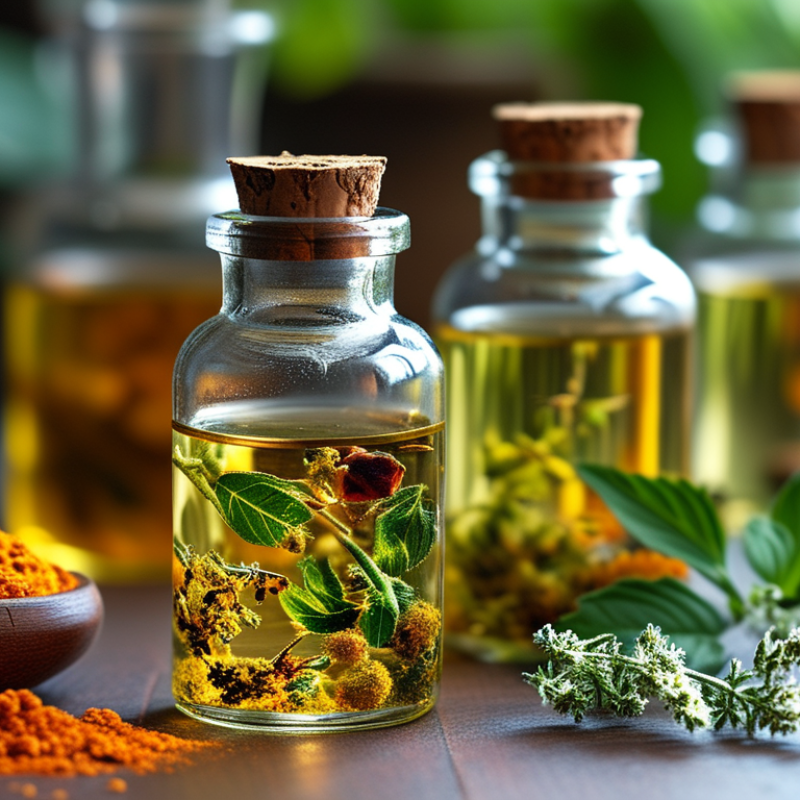
Herbal extract stability describes how well an extract retains its intended quality during storage and use. It includes chemical potency, botanical identity, appearance, aroma, solubility, and microbiological safety. A stable extract should remain within defined limits until its stated shelf life ends. That does not mean it stays perfectly unchanged. Natural color may deepen slightly, while active marker compounds should remain controlled. The practical question is simple: does the extract still perform as specified under expected conditions?
Stability depends on the extract and its environment. Heat can speed oxidation. Light may degrade sensitive constituents. Moisture can encourage clumping or microbial growth, especially in powders. Oxygen, unsuitable pH, and repeated container opening also matter. A liquid extract may separate after cooling, yet separation alone does not always prove failure. Testing must determine whether potency, safety, and redispersibility remain acceptable. Clear appearance is not proof of stability. This is an easy mistake.
Reliable evaluation combines real-time and accelerated studies in representative packaging. Analysts can monitor marker compounds, pH, water activity, microbial counts, color, odor, and viscosity at planned intervals. Keep batch records detailed. Record temperature, humidity, light exposure, and container condition. Good practice compares initial results with later results, rather than relying on one final test. Manufacturers may reduce oxygen exposure, use light-resistant packaging, control moisture, and validate suitable temperature ranges. Each change needs evidence. A tighter seal may help, but it can also complicate dispensing. Stability work is iterative, and early assumptions sometimes need correction.
| Stability Dimension | What It Means | Common Risks | Typical Quality Indicators | Practical Ways to Improve Stability |
|---|---|---|---|---|
| Chemical Stability | The ability of the extract’s active and marker compounds to maintain their chemical identity and concentration during storage. | Oxidation, hydrolysis, photodegradation, and reactions with oxygen or moisture. | Marker-compound assay, degradation products, oxidation indicators, and chromatographic profile. | Use moisture- and oxygen-controlled packaging, minimize headspace, protect from light, and select suitable antioxidants only when scientifically justified. |
| Physical Stability | The ability to retain consistent appearance, particle distribution, solubility, and flow properties. | Caking, sedimentation, crystallization, phase separation, color change, and loss of dispersibility. | Color, odor, appearance, particle size, moisture content, bulk density, and redispersibility. | Control water activity, optimize drying conditions, use appropriate carriers for powders, and validate mixing and milling processes. |
| Microbiological Stability | The ability to remain within acceptable microbial limits and resist microbial growth throughout its intended shelf life. | High moisture, high water activity, poor sanitation, contaminated raw materials, and inadequate preservation. | Total aerobic microbial count, yeast and mold count, specified microorganisms, and water activity. | Apply good manufacturing practices, reduce water activity, use validated preservation systems where appropriate, and maintain hygienic production conditions. |
| Moisture Sensitivity | The degree to which moisture affects the extract’s chemical, physical, or microbiological quality. | Hydrolysis, clumping, increased water activity, reduced flowability, and microbial growth. | Loss on drying, Karl Fischer moisture measurement, water activity, and powder flow properties. | Use effective drying, moisture-barrier packaging, desiccants when suitable, and controlled relative humidity during filling and storage. |
| Light Stability | The ability of the extract to resist chemical or color changes caused by ultraviolet and visible light. | Fading, oxidation, degradation of light-sensitive constituents, and loss of characteristic aroma. | Color measurement, marker-compound assay, impurity profile, and sensory evaluation. | Use opaque or light-resistant containers, limit exposure during processing, and store finished material away from direct light. |
| Temperature Stability | The ability of the extract to maintain quality under its specified temperature conditions. | Accelerated degradation, melting or softening of powders, condensation, and repeated temperature cycling. | Assay over time, appearance, moisture, viscosity for liquids, and degradation-product testing. | Define suitable storage conditions from stability studies, avoid unnecessary heat exposure, and monitor warehouse temperature continuously. |
| pH Stability | The ability of a liquid or semi-liquid extract to maintain a pH range that supports product quality and preservative effectiveness. | pH drift, precipitation, hydrolysis, color changes, and reduced preservative performance. | pH measurement, appearance, solubility, assay, and microbial results. | Use a validated formulation buffer when appropriate, control raw-material variability, and verify pH throughout storage. |
| Packaging Compatibility | The ability of the packaging system to protect the extract without causing migration, adsorption, or chemical interaction. | Oxygen or moisture ingress, extract adsorption, leachable substances, seal failure, and container corrosion. | Container-closure integrity, moisture and oxygen transmission, extract assay, and material compatibility. | Select materials based on barrier performance, test filled packaging under intended conditions, and verify seal integrity throughout shelf-life studies. |
| Stability Testing | A planned program that evaluates whether an extract remains within predefined quality specifications over time. | Insufficient sampling, unsuitable test methods, unrepresentative packaging, or failure to monitor critical attributes. | Assay, impurities, moisture, water activity, microbial quality, appearance, pH, and physical properties. | Use long-term and accelerated studies, test representative batches, establish time points before testing, and base shelf life on documented results. |
Note: Appropriate acceptance criteria, storage conditions, test methods, and shelf-life claims should be established from product-specific stability data and applicable quality requirements.
: It means the extract preserves its intended potency, identity, appearance, aroma, solubility, and microbial quality. Perfectly unchanged? No. A slight color change may be acceptable if active compounds remain within limits.
Heat can accelerate oxidation. Light may damage sensitive compounds. Moisture can cause clumping or microbial growth. Oxygen, unsuitable pH, and repeated opening also matter.
Measure water activity, not moisture percentage alone. Pack powders quickly in moisture-barrier containers. Keep it dry. Oxygen absorbers require compatibility testing because they may change powder texture.
Opaque or amber containers can reduce light exposure. Tight seals can limit oxygen and moisture entry. However, tighter packaging may make dispensing harder. The best choice needs evidence.
No. A clear liquid may still lose potency or develop microbial problems. A liquid can also separate after cooling without necessarily failing. Testing should confirm potency, safety, and redispersibility.
Test marker compounds, pH, water activity, microbial counts, color, odor, viscosity, and solubility. Compare later results with initial measurements. One final test is not enough.
Controlled room temperature is commonly around 20–25°C. Accelerated studies may use 40°C and 75% relative humidity for six months. This is a stress model, not a guarantee for every climate.
Use real-time and accelerated studies with representative batches and packaging. Record temperature, humidity, light exposure, container condition, and testing dates. Harvests can vary. That assumption fails sometimes. Review failed results instead of hiding them.
Herbal extract stability refers to an extract’s ability to maintain its intended chemical profile, potency, safety, appearance, and performance throughout storage and use. It can be influenced by moisture, oxygen, light, temperature, pH, extraction method, plant composition, packaging, and interactions among ingredients. Over time, unstable extracts may experience oxidation, hydrolysis, microbial growth, color changes, precipitation, loss of active compounds, or undesirable odors. Understanding these degradation pathways helps formulators select suitable ingredients and storage conditions.
To determine stability, developers may conduct real-time and accelerated studies while monitoring marker compounds, physical properties, microbial quality, and overall performance. Practical strategies for how to improve stability in herbal extract formulations include controlling water activity, limiting exposure to heat, light, and oxygen, selecting compatible excipients, optimizing pH, using protective packaging, and applying appropriate preservation or drying techniques. Consistent raw-material quality, validated testing methods, and suitable storage instructions are also essential for maintaining reliable quality throughout the product’s intended shelf life.

 Rubrum Biologics