Herbal extracts have gained significant traction in the functional foods industry. This trend results from a growing consumer preference for natural ingredients. According to a recent report by the Nutraceuticals Research Council, over 70% of consumers are seeking food products enriched with herbal components. This shift challenges manufacturers to adapt to market demands effectively.
Expert Dr. Sarah Langston, a leading researcher in food science, emphasizes, “Why do manufacturers use herbal extracts in functional foods? The answer lies in their health benefits and consumer appeal.” Herbal extracts enhance nutritional value and provide health-promoting properties. They help in areas like digestion, immunity, and wellness. Yet, the sourcing and quality of these extracts often vary significantly across suppliers.
While integrating herbal extracts appears beneficial, manufacturers must navigate challenges. Variability in potency and effectiveness poses risks. Also, consumer education on the benefits of herbal extracts remains limited, leading to skepticism among some buyers. Therefore, the journey to successfully incorporate herbal extracts into functional foods needs constant evaluation and improvement.
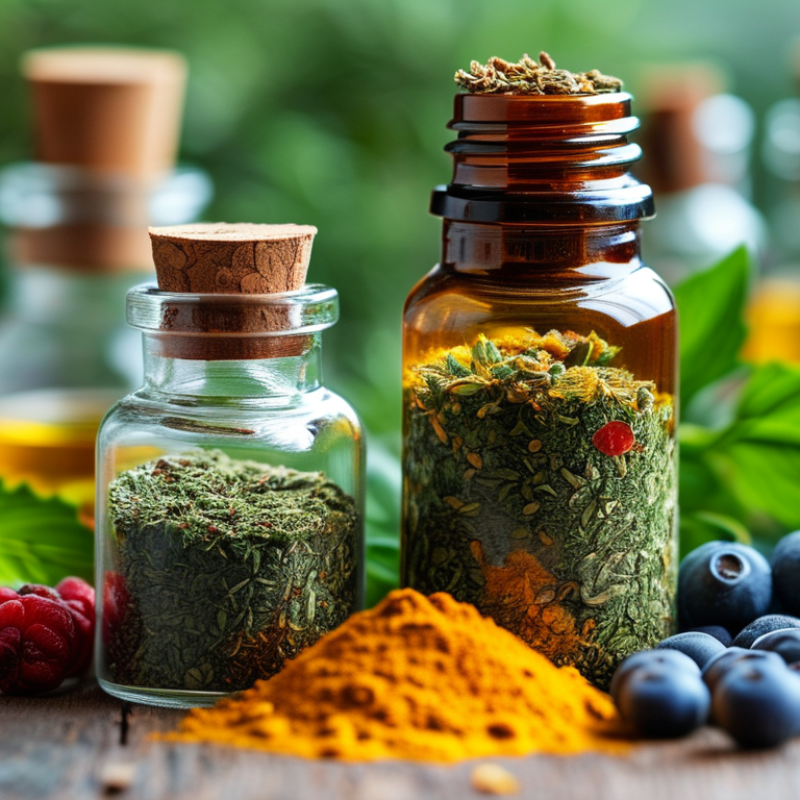
Benefits of Herbal Extracts in Enhancing Nutritional Value of Foods
Herbal extracts are increasingly popular in the functional foods sector. These extracts provide significant nutritional benefits. In fact, a report from the International Journal of Food Sciences found that herbal extracts can enhance the antioxidant capacity of foods by up to 50%. This is crucial, as antioxidants help combat oxidative stress in the body.
Incorporating herbal extracts also aligns with consumer demand for natural ingredients. Research indicates that over 70% of consumers prefer products with herbal components. These extracts can boost vitamins and minerals without relying on synthetic additives. Many manufacturers report that products containing herbal ingredients see higher sales.
However, challenges exist. Sourcing high-quality herbal extracts can be inconsistent. Not all extracts have the same potency or bioavailability. A study published in the Journal of Nutrition highlighted that variations in extraction methods can lead to different health effects. This variation might confuse consumers about the true benefits. Balancing efficacy and consistency remains a focus for manufacturers in this evolving market.
Role of Herbal Extracts in Promoting Health and Wellness in Consumers
Herbal extracts have gained attention for their potential health benefits. These natural ingredients are rich in antioxidants, vitamins, and minerals. Manufacturers use them to enhance the nutritional profile of functional foods. Consumers increasingly seek products that promote overall wellness. They prefer items that support immunity, digestion, and mental well-being.
The growing interest in herbal extracts also reflects a desire for transparency in food sourcing. Consumers want to know what they are ingesting. Herbal extracts can offer a more authentic alternative to synthetic additives. Many extracts, like turmeric and ginger, are celebrated for their anti-inflammatory properties. They feed into a wellness trend that embraces natural remedies over pharmaceuticals.
However, not all herbal products are created equal. Quality can vary, and some might not provide the expected benefits. It’s essential for consumers to research and choose wisely. This cautious approach allows consumers to tap into the positive aspects of herbal science. Awareness of possible side effects or interactions is also key. As consumers grow more informed, the market continues to evolve, prioritizing safety and efficacy.
Top 10 Reasons Manufacturers Use Herbal Extracts in Functional Foods
Impact of Herbal Extracts on Flavor and Texture in Functional Foods
Herbal extracts have gained immense popularity in the functional foods sector, significantly impacting flavor and texture. According to a recent market report, the demand for herbal ingredients in food products has surged by over 25% in the last two years. These extracts, such as turmeric, ginger, and cinnamon, bring not only unique flavors but also health benefits to consumers. Many manufacturers are now replacing artificial flavorings with herbal options, providing a more natural and appealing taste profile.
The texture of functional foods can also be enhanced by using herbal extracts. For instance, certain polysaccharides derived from herbs can act as thickeners or emulsifiers. They give a luxurious mouthfeel, making the product more enjoyable. A study published in the Journal of Food Science demonstrated that products enriched with herbal extracts received 30% higher consumer satisfaction ratings compared to those without. However, some manufacturers face challenges in balancing herbal flavors, as they can sometimes overpower other ingredients.
Considering these factors, using herbal extracts requires careful experimentation. It’s crucial to achieve the right balance between flavor and texture. Always seek reliable sources when incorporating new extracts into formulations. Strive to gather feedback on how specific herbs influence consumer preferences. Relying solely on assumptions without thorough testing may lead to less desirable outcomes. Experimentation is key to creating successful functional food products in a market that values health and flavor.
Market Trends: The Growing Demand for Herbal Extracts in Food Industry
The food industry is experiencing a significant shift towards herbal extracts. Demand for these natural ingredients is rising. According to a market report, the global herbal extract market is projected to reach $12 billion by 2025. This growth reflects a growing consumer preference for health-conscious alternatives.
Herbal extracts offer numerous benefits in functional foods. They are rich in antioxidants, vitamins, and essential oils. People are increasingly aware of the importance of nutrition. This awareness drives manufacturers to incorporate herbal extracts into their products. Data suggests that over 70% of consumers prefer foods boosted with natural ingredients. This trend illustrates the shift towards clean labeling and transparency in food production.
While the trend is promising, challenges remain. Sourcing high-quality herbal extracts can be difficult. Quality control and consistency are critical issues. Manufacturers must navigate this complex landscape carefully. Overall, the rise of herbal extracts in the food industry indicates a positive direction. Yet, sustainability and ethical sourcing must continue to be prioritized for long-term success.
Sustainability and Natural Sourcing of Herbal Ingredients in Manufacturing
Sustainability is a key concern for manufacturers today. Herbal extracts offer a natural solution for functional foods. Sourcing ingredients from plants reduces environmental impact. These extracts require less energy and water compared to synthetic alternatives. The shift towards natural ingredients aligns with consumer preferences for healthier lifestyles.
Building relationships with local farmers enhances sustainability. Sourcing herbs locally can ensure freshness. It also minimizes transportation emissions. Manufacturers can collaborate with these farmers to promote biodiversity. This approach creates a win-win situation, benefiting both the community and the business.
When considering herbal extracts, examine the authenticity of your sources. Look for suppliers who prioritize sustainable practices. Explore certifications that verify herbal ingredients are ethically sourced. This not only strengthens your brand's credibility but also reassures consumers. Making a conscious choice can lead to positive environmental impacts.
FAQS
: Herbal extracts enhance flavor and texture while offering health benefits. They replace artificial flavorings with natural options.
Certain herbal polysaccharides act as thickeners and emulsifiers, creating a luxurious mouthfeel in products.
Balancing flavors can be tricky. Herbal extracts may overpower other ingredients if not carefully managed.
Sustainable sourcing reduces environmental impact and energy use and appeals to consumers' preferences for natural products.
Building relationships with local farmers helps maintain freshness and reduces transportation emissions.
It's essential to look for suppliers with sustainable practices and certifications for ethically sourced ingredients.
Gathering feedback on consumer preferences helps understand the impact of specific herbs on product success.
Relying on assumptions without thorough testing may lead to unbalanced flavors and undesirable outcomes.
Local sourcing promotes biodiversity and creates a mutually beneficial relationship between communities and manufacturers.
Careful experimentation is crucial to achieve the right balance between flavor and texture in functional foods.
Conclusion
The article "Top 10 Reasons Manufacturers Use Herbal Extracts in Functional Foods" delves into the multifaceted benefits of incorporating herbal extracts into food products. One of the key reasons why manufacturers use herbal extracts in functional foods is their ability to enhance the nutritional value of these products, providing essential nutrients that benefit consumer health. Additionally, herbal extracts play a significant role in promoting health and wellness, as they are often associated with various health benefits, from improving digestion to boosting immunity.
Furthermore, the article highlights the impact of herbal extracts on flavor and texture, making functional foods more appealing to consumers. Market trends indicate a growing demand for these natural ingredients, as consumers increasingly seek healthier and more sustainable options. Lastly, the emphasis on sustainability in sourcing herbal ingredients underscores a commitment to environmentally responsible manufacturing practices, aligning with consumer preferences for natural and ethically produced foods.

 Rubrum Biologics