In today's global market, the question of how are herbal extracts standardized is increasingly important. As demand for natural products rises, ensuring quality and consistency is essential. Standardization helps to create benchmarks for herbal extracts, allowing producers and consumers to align on expectations.
Experts in herbal medicine emphasize the need for rigorous testing and validation processes. This includes chemical profiling and assessing bioactive compounds. However, variability in plant sources and cultivation practices can lead to challenges. Companies must implement strict protocols to address these inconsistencies.
While many organizations strive for high standards, not all achieve them. Some extracts may still vary in potency or purity, raising concerns for end-users. A critical examination of sourcing practices reveals areas for improvement. This highlights the importance of continuous dialogue among stakeholders to enhance the standardization process.
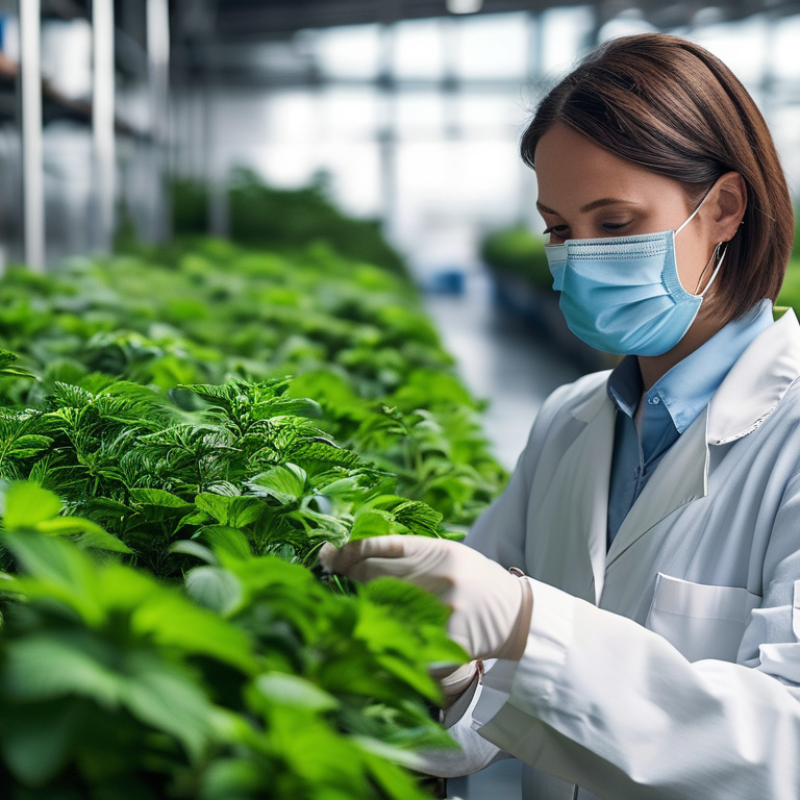
Herbal extracts play a vital role in global sourcing within the natural products industry. These extracts are used extensively in pharmaceuticals, cosmetics, and dietary supplements. The global herbal products market was valued at approximately $130 billion in 2021 and is projected to grow significantly. Such popularity highlights the importance of quality and standardization in sourcing.
Standardization ensures that herbal extracts maintain consistent potency and quality. However, achieving this can be challenging. Plants can vary in chemical composition based on factors like soil, climate, and harvesting methods. A report from the World Health Organization indicates that around 25% of herbal products are mislabelled, leading to serious quality concerns. This situation calls for a more systematic approach.
Data from industry research suggests that implementing rigorous testing methods can enhance reliability in sourcing. Techniques such as High-Performance Liquid Chromatography (HPLC) help identify active compounds effectively. However, the reliance on advanced technology also raises questions about accessibility. Not all producers have the resources to implement these methods, which can create disparities in the market. Exploring these challenges is crucial for ensuring the future success of herbal extracts globally.
Standardizing herbal extracts is crucial for global sourcing. The process ensures consistency in quality and effectiveness. One key method involves quantifying the active constituents in plant materials. This includes measuring specific compounds through techniques like high-performance liquid chromatography (HPLC). By understanding the concentration of these compounds, manufacturers can produce extracts with reliable potency.
Another important method is establishing quality control measures throughout the entire supply chain. This includes sourcing raw materials from reputable growers with documented farming practices. Regular testing of these materials helps identify potential contaminants. It also helps maintain the integrity of the extracts. However, despite rigorous testing, variability in natural products remains a challenge. Factors like climate and soil composition can affect plant growth. Therefore, repeated testing and continuous monitoring are essential for consistent quality.
Collaboration among industry experts plays a vital role in improving standardization methods. Understanding the herbal composition is complex and requires ongoing research. Sharing insights can lead to better guidelines for sourcing and processing. Still, standardized methods must evolve alongside innovations in extraction technologies. Striking a balance between tradition and modernity remains a significant challenge for the industry.
The regulation of herbal extracts varies significantly across the globe. Each country has its own standards and guidelines for quality assurance. This can create challenges in ensuring product consistency. For instance, the European Union has stringent regulations focusing on safety and efficacy. However, some regions may lack robust enforcement mechanisms.
Standardizing herbal extracts requires the alignment of various factors. These include sourcing practices, extraction methods, and testing protocols. A critical component is ensuring that the active compounds are adequately identified and quantified. It's not just about obtaining raw materials; understanding the bioactive profiles is essential. This complexity means that many manufacturers struggle to meet international quality standards consistently.
Certain discrepancies in herbal product labeling also raise concerns. Often, what is on the label doesn't match the actual content. Such issues can undermine consumer trust and safety. Stakeholders should advocate for clearer regulations and better communication between producers and regulators. Ongoing education about these standards can play a pivotal role in improving the herbal extract market globally.
Herbal extracts must meet strict quality standards for global sourcing. The environment where these plants are grown significantly impacts their potency. Soil health, climate, and water quality all play vital roles. Studies show that herbs grown in nutrient-rich soil often yield extracts with higher active compounds.
Climate can affect both growth patterns and chemical profiles. For instance, temperature fluctuations can alter essential oil content. A report by the World Health Organization indicates that 70% of herbal plants show variability in their phytochemical content due to these environmental factors.
**Tip:** Choose sourcing partners who provide transparency about their cultivation practices.
Cultivation methods also matter. Organic versus conventional farming can lead to differences in extract quality. Organic herbs, for instance, are less likely to be treated with synthetic chemicals, enhancing their natural properties. However, challenges arise in maintaining consistency across batches. Variations can occur due to farming methods or seasonal changes.
**Tip:** Regularly test extracts for consistency to ensure they meet quality standards. It's essential to establish relationships with reliable growers who understand the impact of their environment.
Standardizing herbal extracts remains a complex challenge. The variability in plant chemistry can lead to inconsistencies in efficacy and safety. Growing conditions, harvesting time, and extraction methods heavily influence these variations. Without careful standardization, products may lack the desired potency. This raises concerns for consumers seeking reliable health benefits.
Different methods exist for standardization, such as marker compounds and pharmacopoeial standards. However, no universal approach satisfies all herbal products. Each extract may require unique criteria and testing. Moreover, rigorous scientific validation often lags behind herbal market demands. Researchers face pressure to balance safety with consumer expectations.
Inadequate standardization could lead to adverse effects. Toxic compounds may go undetected if protocols are insufficient. The herbal industry needs stricter regulations and collaboration between scientists, manufacturers, and regulatory bodies. It is a continuous process of learning and improving methods. Without a unified strategy, the path to safe herbal extracts will remain problematic.
: Each country has its own standards and guidelines for quality assurance. This leads to product consistency challenges.
The environment affects potency. Soil health, climate, and water quality influence the active compounds in extracts.
Labels often do not match actual content. This undermines consumer trust and safety.
Organic farming may enhance natural properties. Variations can occur due to farming methods or seasonal changes.
Choose partners who provide transparency about their cultivation practices to ensure quality.
Variability in plant chemistry leads to inconsistencies. Growing conditions and extraction methods heavily influence these variations.
It helps ensure safety and efficacy. Without it, toxic compounds may go undetected.
Regular testing is crucial. It helps maintain quality standards across different batches.
Clearer regulations and better communication between producers and regulators are essential for improving product safety.
A continuous learning approach to improve standardization methods for safe herbal extracts is necessary.
The article "How Are Herbal Extracts Standardized for Global Sourcing?" explores the significance of herbal extracts in the global market and emphasizes the necessity of standardization for quality assurance. It outlines key methods employed in the industry to standardize herbal extracts, ensuring that products meet regulatory standards across different regions.
Furthermore, the article discusses how environmental factors and cultivation practices influence the quality and consistency of herbal extracts. It highlights the challenges faced in standardizing these extracts, including the imperative to maintain their efficacy and safety for consumers. By addressing these aspects, the article sheds light on the complexities involved in how herbal extracts are standardized, reflecting the need for rigorous practices in the ever-evolving herbal product industry.

Rubrum Biologics