The herbal extract market can shift quietly. A new ingredient may appear in product labels months before it becomes a lasting category. To understand what are the latest trends in the herbal extract market, track several signals together: supplier announcements, product launches, research papers, trade-show discussions, and changes in consumer search interest. One headline is not a trend.
Mark Blumenthal, founder and executive director of the American Botanical Council, is a relevant expert to follow on botanical products and industry quality. I cannot verify a direct quotation from him on current market trends, so I will not present invented words as his. A careful paraphrase of a quality-focused perspective is: “Check the botanical identity, extract details, and supporting evidence before trusting a trend.” This is a paraphrase, not a verbatim quote.
Look for growing attention to traceable sourcing, clearer standardization, sustainability, and evidence-backed ingredient claims. Compare labels for the plant’s Latin name, plant part, extraction method, and stated active compounds. Details matter. Track whether brands disclose testing and whether research supports the specific extract, not merely the plant in general. Market reports can help, but their definitions and forecast methods differ. Read the fine print.
Some signals are messy. A viral ingredient may fade quickly, while cautious supplier changes can reveal deeper demand. Trends also vary by region and product type. A useful introduction to the topic should therefore distinguish lasting shifts from short-lived promotion—and leave room for uncertainty.
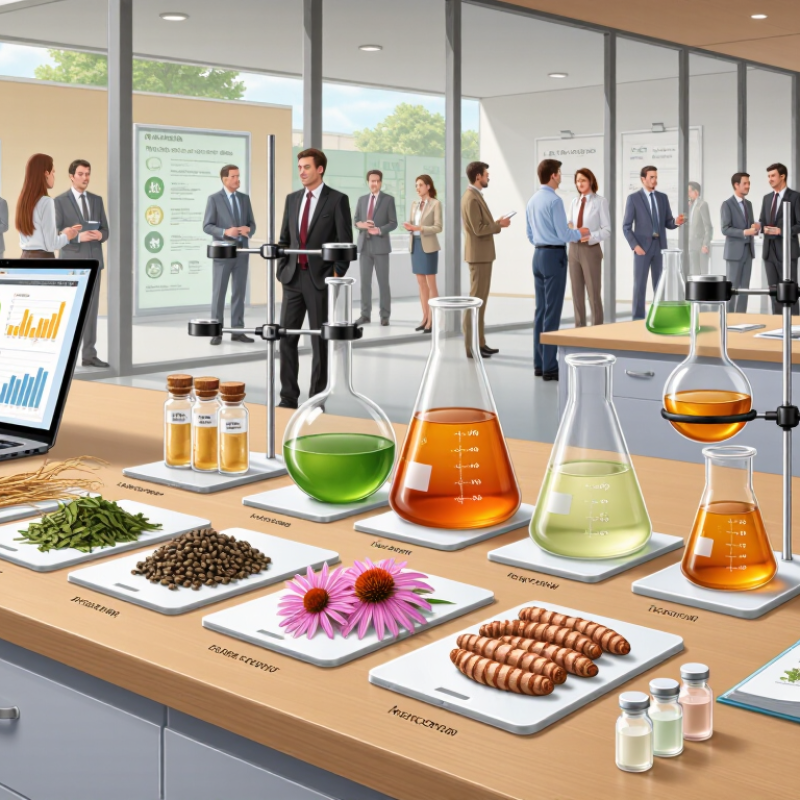
The herbal extract market covers concentrated ingredients made from herbs and other botanical materials. Producers use water, alcohol, glycerin, or other food-grade solvents to draw selected compounds from leaves, roots, seeds, flowers, or bark. The result may be a liquid, powder, or soft extract. It is not the same as simply drying and grinding a plant. That distinction matters when comparing products.
The market can be divided by plant source, plant part, extraction method, and end use. Common product categories include single-herb extracts and blends, while formats range from liquid drops to finely milled powders. Buyers may use extracts in foods, beverages, personal-care products, and supplements. These uses have different requirements. A beverage maker may prioritize solubility and flavor; a formulator may look for consistent marker-compound levels. The boundaries are not always tidy.
To follow market changes, compare these segments over time rather than treating the market as one category. Track ingredient origin, processing method, reported specifications, and the intended application. A label stating “root extract” offers limited detail without the plant species, extraction ratio, and testing information. Small details count. Public market estimates also vary because researchers define “herbal extract” differently. That uncertainty deserves attention, not a neat chart alone.
| Market Dimension | Key Segment | Definition and Examples | Common Uses | Trend Indicators to Track |
|---|---|---|---|---|
| Market scope | Herbal extracts | Preparations made by extracting constituents from herbs or other botanical materials using water, alcohol, or other suitable solvents. Extracts may be liquid, soft, or dry and can differ in concentration and composition. | Used as ingredients in foods, beverages, dietary supplements, cosmetics, and some traditional or herbal medicinal products, subject to local regulations. | Monitor product launches, ingredient declarations, regulatory updates, scientific publications, and demand across end-use categories. |
| Botanical source | Leaves and aerial parts | Extracts from leaves, flowers, stems, or other above-ground plant parts. Examples include mint leaf, green tea leaf, and chamomile flower extracts. | Common in teas, supplements, personal-care products, and food or beverage formulations. | Track interest in recognizable botanicals, sourcing availability, harvest conditions, and changes in ingredient use by product category. |
| Botanical source | Roots, rhizomes, and bark | Extracts derived from underground plant parts or bark. Examples include ginger rhizome, turmeric rhizome, and licorice root. | Used in supplements, traditional herbal preparations, foods, and beverages. | Follow crop supply, origin and traceability disclosures, product-label claims, and applicable safety or quality requirements. |
| Botanical source | Seeds, fruits, and other plant materials | Extracts made from seeds, fruits, peels, or other botanical materials. Examples include grape-seed and citrus-peel extracts. | Used in dietary supplements, foods, beverages, and cosmetic formulations. | Compare ingredient formats and applications, and monitor research, sourcing practices, and consumer interest in plant-derived ingredients. |
| Product form | Liquid, soft, and dry extracts | Liquid extracts remain fluid; soft extracts are concentrated and semi-solid; dry extracts have most of their solvent removed. The form affects handling, storage, and formulation. | Selected according to manufacturing needs, dosage format, solubility, and the finished product. | Watch formulation preferences, ingredient specifications, storage guidance, and product formats appearing in new launches. |
| Extraction and quality | Extraction method and standardization | Methods can include infusion, maceration, and other solvent-based or physical processes. Some extracts are standardized to a specified marker compound; not all extracts are standardized. | Quality controls help characterize identity, composition, strength, and consistency for the intended use. | Review published methods, testing and authentication practices, marker-compound specifications, contaminant controls, and relevant regulations. |
| End-use application | Food, supplements, cosmetics, and herbal products | Market segmentation by application groups extracts according to the type of finished product in which they are used. Requirements and permitted claims vary by product and jurisdiction. | Examples include flavoring or other food ingredients, supplement formulations, cosmetic products, and regulated herbal products. | Track category-specific product launches, label changes, consumer research, regulatory notices, and shifts in ingredient positioning. |
It covers concentrated ingredients made from herbs and other botanical materials. Extracts may be liquids, powders, or soft extracts. They differ from dried, ground plants.
Common segments include plant source, plant part, extraction method, product format, and end use. Products may be single-herb extracts or blends. The boundaries can be messy.
Check the plant species, plant part, extraction ratio, processing method, and testing information. A “root extract” label alone tells you little. Small details count.
Compare reports with clear dates, methods, and category definitions. Supplement figures may include products beyond extracts, so they are not direct extract-market measurements.
No. Reported use can suggest broad interest, but it does not measure extract sales. Check survey dates and regional details before drawing conclusions.
Track launches by extract type, plant part, format, and stated standardization. Review technical documents for testing methods and batch consistency. A launch proves little.
Look for recurring retailer questions, changing search terms, and requests for simpler ingredient lists. Separate repeated patterns from one-off comments. I sometimes miss that distinction.
Keep a monthly log with source links, dates, and confidence ratings. Compare similar categories, recheck estimates quarterly, and flag uncertain claims for expert review. Charts can mislead.
Tracking the latest trends in the herbal extract market begins with defining the market and identifying its key segments, such as extract types, applications, and customer groups. A clear market scope makes it easier to compare relevant information over time. Reliable sources may include industry reports, academic research, public trade data, and regulatory updates. Reviewing several independent sources helps distinguish well-supported developments from isolated claims.
To understand what are the latest trends in the herbal extract market, monitor changes in product development, quality expectations, regulatory guidance, and consumer preferences. Compare new findings with historical data and information from different regions to confirm whether a shift is emerging or temporary. Businesses and researchers can then use these insights to guide product planning, research priorities, and resource allocation. Regular review is essential, since market conditions and consumer interests can change over time.

 Rubrum Biologics