Herbal extracts can add vivid aroma, color, and flavor to familiar foods and drinks. A small measured amount of rosemary extract may lift a savory dressing, while peppermint can brighten a chilled drink. But extracts are concentrated, and their strength varies by plant, product, and preparation. A few extra drops can overwhelm a recipe. Start small.
This guide explores how to incorporate herbal extracts into food and beverages with care and practical judgment. It covers choosing a suitable extract, checking its ingredient and preparation details, and testing flavor in small batches before scaling up. You will also find ideas for matching herbal notes with ingredients such as citrus, honey, or roasted vegetables. Keep reliable supplier information on hand, follow product directions, and check relevant food-safety guidance for your setting. These steps support informed choices, but they cannot guarantee that every extract will perform the same way in every recipe. Some combinations may simply taste wrong. That is useful feedback, not failure. Record amounts, temperatures, and results, then adjust thoughtfully. The aim is balanced flavor and dependable preparation—not treating an extract as a shortcut or a health promise.
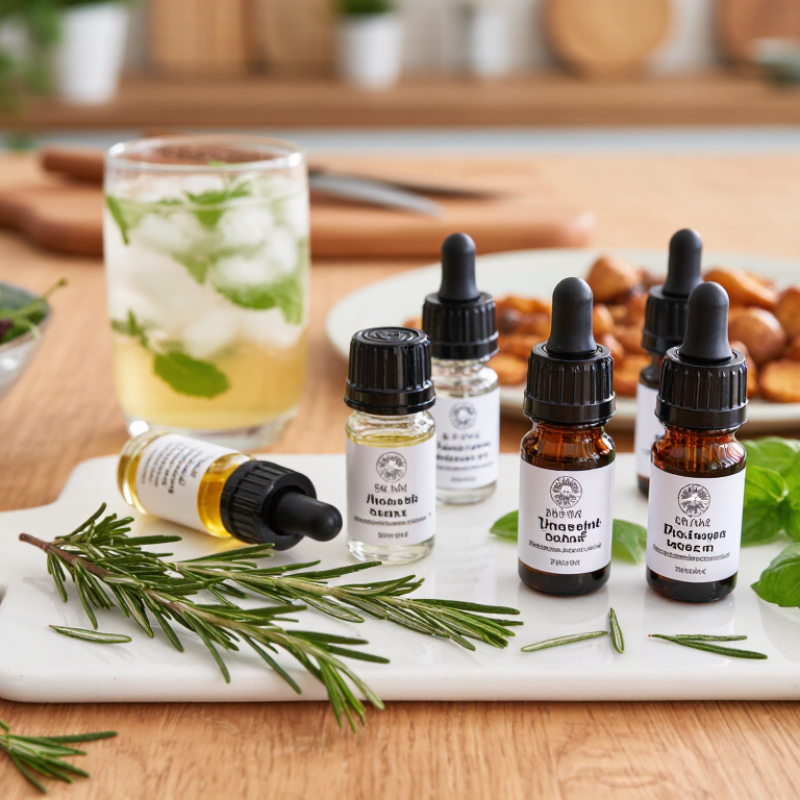
Understanding Herbal Extracts and Their Forms
Herbal extracts are concentrated preparations made by drawing selected compounds from leaves, roots, flowers, or seeds. Their form affects how they behave in food and drinks. A water-based extract may blend readily into tea, while an oil-based extract can separate unless the recipe is emulsified. Tinctures use alcohol and may add a sharp note; glycerites use glycerin and often taste sweeter. Powdered extracts suit dry mixes, though they can clump in a cold drink. Small details matter.
“Extract” does not mean one fixed strength. Check the plant part, extraction solvent, herb-to-extract ratio, and any standardization statement. Standardization indicates a measured marker compound; it does not prove a particular effect in food. The American Botanical Council’s HerbalGram market report estimated U.S. herbal supplement sales at about $12.6 billion in 2023, up 4.4% from 2022. That figure describes sales, not product quality or culinary performance. Test a small batch first, noting aroma, color, sediment, and flavor after a few hours. A clear drink can turn cloudy; a pleasant aroma can become bitter. Labels can leave useful questions unanswered, so formulation still requires care.
7 Tips for Using Herbal Extracts in Food and Beverages: Understanding Herbal Extracts and Their Forms
When choosing an extract for a beverage, check the full ingredient list: herbal infusions made only from caffeine-free herbs typically contain no caffeine, while blends containing green or black tea do. Caffeine amounts vary by product and brewing method. Values shown are typical brewed-beverage amounts; coffee, tea, and decaffeinated coffee figures are from Mayo Clinic.
Choosing Extracts for Flavor, Function, and Food Compatibility
Choosing a botanical extract starts with its sensory profile, not its trend appeal. IFIC’s 2024 Food & Health Survey found that 85% of Americans considered taste important when choosing foods and beverages. A bitter root extract may suit a dark cocoa drink, but overwhelm a lightly flavored sparkling water. Taste still rules.
Check how the extract behaves in the finished product. Water-based drinks usually need water-dispersible ingredients; oil-soluble compounds can separate or leave a ring on the glass. Test the extract in the actual recipe, not just in plain water. Acidity, heat, sweetness, and storage time can all change flavor or stability. A small bench trial catches surprises early.
Function needs careful wording. An extract’s concentration or marker compounds can help with consistent formulation, but they do not prove a finished food delivers a health effect. Grand View Research valued the global herbal supplements market at $49.1 billion in 2023; that figure signals commercial interest, not evidence for a beverage claim. Ask suppliers for identity, composition, and stability documentation, then check whether the carrier affects taste, texture, or dietary suitability. Sometimes the best extract is simply too strong. That’s worth admitting.
Determining Suitable Dosage for Recipes and Drinks
Dosage begins with the extract, not the recipe. A teaspoon of liquid extract is not a reliable unit: concentration, solvent, and plant part can all differ. Check the botanical name, extraction ratio, and any standardized marker on the product specification. Two extracts from the same plant may deliver different amounts of active compounds. That detail is easy to miss. Use only extracts intended for food or beverage use, and follow the supplier’s stated range. For a test batch, weigh the extract, record the amount and product lot, then taste a small serving before scaling up.
Market growth is not dosage guidance. The American Botanical Council’s HerbalGram report estimated U.S. herbal supplement sales at $12.2 billion in 2023, up 4.4% from 2022; those figures describe retail sales, not safe recipe amounts. For each drink, calculate the extract used per serving and account for how many servings someone might consume. A bitter botanical can dominate a lightly sweetened tea, while heat may alter aroma or flavor. Start at the low end of the food-use range. Honestly, labels can be confusing. If the extract lacks clear food-use directions, or if a guest takes medication, ask a qualified health professional before serving it.
Incorporating Extracts into Different Food and Beverage Bases
Herbal extracts can taste different in water, fat, and sugar-rich bases. A mint extract may seem bright in sparkling water but softer in creamy oat milk. Tip: Match the extract to the base. For drinks, stir water-soluble extracts into a small amount of liquid before adding ice. For sauces or dressings, blend oil-compatible extracts into the fat first. This helps avoid concentrated pockets of flavor.
Heat and acidity also change what you taste. In a warm soup or baked batter, some delicate notes may fade, while bitter or woody notes can become more noticeable. Tip: Add heat-sensitive extracts near the end of cooking when practical. In citrus drinks or vinegar-based sauces, test a small portion before adjusting the full batch. I still find it easy to add too much when tasting warm food; the flavor can seem stronger after it cools.
Start with the product’s recommended use level, then test small batches. Measure carefully, especially with concentrated extracts. Tip: Keep simple notes. Record the base, amount, temperature, and tasting result. A teaspoon may suit one large pitcher but overwhelm a single glass. Let mixtures rest briefly before making another adjustment. Flavor often settles, though not always as expected.
Checking Safety, Labeling, and Storage Requirements
Herbal extracts can vary widely in strength, even when they come from the same plant. Check the supplier’s specifications, ingredient identity, and applicable food-use requirements before adding an extract to a recipe. A certificate of analysis can help verify identity and test results, but it does not replace your own safety review. Start with a measured amount, record it, and assess the finished product’s flavor and consistency. Small changes matter. If the extract is unusually concentrated or its intended use is unclear, ask a qualified food safety professional before serving it.
Labels should name ingredients accurately and identify allergens when required by local rules. Keep batch records, including the extract lot, amount used, and preparation date. This makes it easier to investigate a quality issue later. Avoid health claims unless they have been reviewed for your market; wording that sounds harmless can still mislead customers. I have found that handwritten notes fade or get separated from containers, so use durable labels instead. Store extracts according to the supplier’s directions, often in tightly closed containers away from heat, moisture, and direct light. A cool, dry cupboard may work, but not every extract has the same needs. Use a clean, dry utensil, and check for changes in color, smell, or texture before use. When storage guidance is missing, contact the supplier rather than guessing.
FAQS
The base changes how flavor comes through. Mint may taste bright in sparkling water but softer in creamy oat milk.
Mix water-soluble extracts into a little liquid before adding ice. Blend oil-compatible extracts into the fat first. This can prevent strong flavor pockets.
Yes. Delicate notes may fade in warm soup or baked batter. Add heat-sensitive extracts near the end when practical.
Test a small portion in citrus drinks or vinegar-based sauces before changing the full batch. Small batches help.
Start with the recommended use level and measure carefully. A teaspoon may suit a pitcher but overpower one glass. I still sometimes misjudge warm food.
Note the base, amount, temperature, and tasting result. Let the mixture rest briefly before adjusting. Flavor can settle. Not always as expected.
Review its identity, supplier specifications, and food-use requirements for your situation. A certificate of analysis can help, but it does not replace your own safety review.
Record the lot, amount used, and preparation date on a durable label. Follow supplier storage directions, keep containers tightly closed, and use clean, dry utensils. Check changes in color, smell, or texture before use.
Conclusion
Herbal extracts can add distinctive flavors and functional qualities to foods and drinks, but they come in different forms, such as liquids, powders, and concentrated preparations. Choosing the right extract means considering its taste, strength, intended use, and compatibility with the recipe. A delicate infusion may suit tea or a light syrup, while a stronger flavor may work better in baked goods or sauces. Start with a small amount, follow product guidance, and adjust gradually, since extracts can vary in potency and may affect a recipe’s overall balance.
To understand how to incorporate herbal extracts into food and beverages, consider the base and preparation method. Mix liquid extracts into beverages or other liquids, and blend powders evenly into dry ingredients before combining them with wet ingredients. Some flavors are best added near the end of cooking to preserve their character. Always review ingredient and allergen information, use extracts only as directed, and store them in appropriate containers and conditions. Clear labeling and careful storage help maintain quality and make ingredients easier to identify.

 Rubrum Biologics