Extracting a plant, food, or botanical material is not simply a matter of dissolving useful substances. Heat, oxygen, light, moisture, and pressure can alter sensitive compounds during processing. Even a clean-looking extract may contain less of the original activity than expected.
The practical question is: how are active compounds preserved during extraction? Careful control begins with suitable raw materials, accurate identification, and consistent storage. Fresh material may require rapid cooling, while dried material needs protection from humidity. Solvent choice also matters because polarity influences which compounds dissolve. Shorter extraction times can reduce unwanted degradation. Lower temperatures often help protect heat-sensitive constituents.
Small details matter.
For example, sealed vessels can limit oxygen exposure, while amber containers reduce light damage. Gentle mixing may improve contact without creating excessive heat. Manufacturers should record temperature, extraction time, solvent ratio, and batch conditions. Independent testing, such as chromatographic analysis, can compare marker compounds before and after extraction. This evidence supports repeatability more reliably than appearance, aroma, or marketing language.
Still, preservation is never absolute. Some compounds naturally transform, and one method may protect one component while reducing another. That limitation deserves honest attention. Experienced teams therefore select methods according to the material, target compounds, and intended use. They also verify stability during storage, not only immediately after production. A transparent process connects laboratory measurements with real handling conditions, helping readers judge whether an extract’s claimed activity remains credible.
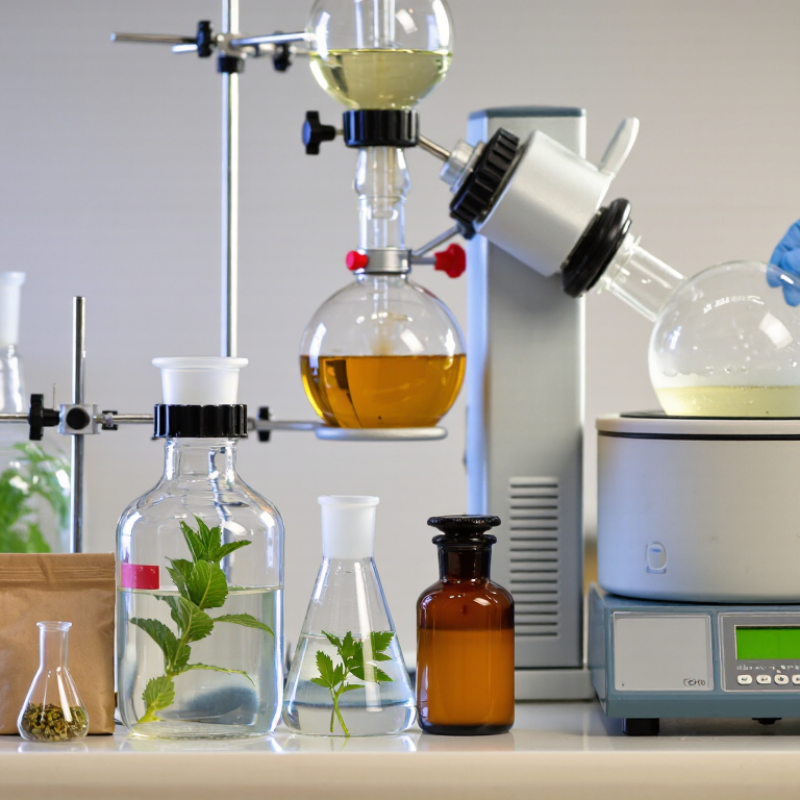
Active compounds are the naturally occurring substances that give plants their color, aroma, flavor, and biological activity. Examples include polyphenols, flavonoids, terpenes, and certain organic acids. They matter because they may support antioxidant protection, contribute to sensory quality, and influence how an extract performs. Their value depends on concentration, stability, and absorption. A high number on a label does not always mean better performance.
During extraction, heat, oxygen, light, and prolonged processing can damage sensitive compounds. Careful control helps preserve them. For example, a lower temperature may protect aroma molecules, while limited oxygen can reduce oxidation. Solvent choice also matters because different compounds dissolve in different ways. In laboratory work, analysts often compare samples using validated testing methods rather than relying only on appearance. Still, no extraction method preserves everything. I sometimes find this easy to forget.
Tips: Keep raw materials dry, fresh, and protected from direct light. Use controlled temperatures and shorter processing times when compounds are heat-sensitive. Record each extraction condition, including time, temperature, and solvent ratio. Small details matter. Testing the final extract can reveal losses that the eye cannot detect.
Some results remain uncertain. Natural materials vary by harvest, storage, and growing conditions. Reliable conclusions require consistent procedures, transparent data, and cautious interpretation. Extraction is not merely removal; it is a balance between efficiency and preservation.
How Extraction Separates Active Compounds from Raw Materials
Extraction separates useful active compounds from plant, mineral, or food materials through differences in solubility, polarity, particle size, and stability. A suitable solvent dissolves selected compounds while leaving much of the raw structure behind. Filtration then removes fibers and insoluble particles. Controlled evaporation can reduce the solvent without excessive heat exposure. The process is selective, but never perfect.
Temperature, pH, light, and oxygen can change the final composition. For example, a sensitive compound may degrade during prolonged heating, even when the extract looks clear. Low temperatures, short processing times, and sealed equipment can help preserve quality. In professional settings, analysts may use chromatography to compare active-compound levels before and after extraction. This evidence supports reliability, although natural materials still vary between harvests and batches. That variation matters.
Tips: Use clean, finely prepared raw material. Match the solvent to the target compounds. Keep detailed records of temperature, time, and filtration steps. Protect the extract from strong light and unnecessary air exposure. Small errors matter. A practical review should also question whether the chosen method recovers the intended compounds or merely produces a concentrated-looking liquid. Independent testing remains valuable, especially when color, aroma, or texture suggests quality but cannot confirm chemical content.
Active compounds survive extraction when temperature, oxygen, light, and solvent conditions remain carefully controlled. Heat can speed degradation, especially for delicate plant compounds. A cooler process often protects color, aroma, and biological activity. Not always, though. Some compounds release more effectively with moderate warmth.
Oxygen is another quiet threat. It can trigger oxidation during grinding, mixing, and storage. Sealed vessels, reduced headspace, and quick processing can limit this exposure. Light also matters. Amber containers and covered equipment help protect light-sensitive molecules.
Solvent choice must match the compound’s chemistry, not convenience. Water, alcohol-based solvents, and oil-based systems extract different components. The wrong solvent may leave valuable compounds behind.
pH and extraction time require equal attention. Extreme acidity or alkalinity can alter unstable molecules. Longer processing does not automatically produce better results. It may increase yield while reducing quality. Careful monitoring helps reveal that trade-off. Practical testing should include temperature logs, pH measurements, extraction time, and compound analysis. Small sampling errors can create impressive but misleading results. That deserves more attention.
Reliable preservation also depends on clean equipment and consistent handling. Residual chemicals, metals, or moisture may affect compound stability. Standard procedures improve repeatability between batches. Still, every raw material behaves somewhat differently. A method that works well once may need adjustment later. That imperfection is useful because it encourages verification instead of assumptions.
Why Are Active Compounds Preserved During Extraction?
Extraction methods determine whether valuable compounds remain stable or break down. Heat, oxygen, light, and moisture can change a plant extract within hours. The ICH Q1A(R2) stability guideline uses 40°C and 75% relative humidity for accelerated testing. These conditions help reveal degradation risks before production. Cold maceration often protects heat-sensitive compounds, while controlled ethanol-water extraction can improve solvent selectivity. Supercritical carbon dioxide extraction also reduces oxygen exposure, but it requires careful pressure control.
The solvent matters. Water may extract sugars and proteins, yet it can encourage microbial growth. Ethanol-water mixtures often balance polarity and preservation. According to the WHO Quality Control Methods for Herbal Materials, testing should examine identity, purity, contamination, and marker compounds. In practice, I would also monitor extraction time and vessel headspace. Small details matter. A partly filled container leaves more oxygen above the liquid. That may increase oxidation, even when the formula looks unchanged. No method is perfect. This is where laboratory data should challenge assumptions.
Tips: Use opaque containers and limit unnecessary transfers. Keep temperatures low when compounds are heat-sensitive. Measure pH, moisture, and marker-compound levels before and after extraction. Run light and accelerated stability tests, not only visual checks. The results may expose a process weakness. That is useful, not embarrassing. Consistent records also support traceability and more reliable quality decisions.
Why Are Active Compounds Preserved During Extraction?
How Storage and Processing Maintain Compound Potency
Active compounds can lose potency long before extraction begins. Heat, oxygen, light, and moisture may trigger oxidation or structural changes. Fresh plant material should be handled gently and stored under controlled conditions. Cool temperatures often slow degradation, while darkness protects light-sensitive molecules. However, cold storage is not automatically better. Repeated temperature changes can create condensation and accelerate damage.
Processing choices also shape the final extract. A suitable solvent can remove target compounds without causing excessive heat or chemical stress. Shorter extraction times may reduce exposure to oxygen. Closed equipment helps limit contamination and evaporation. Filtration removes particles that can support unwanted reactions. In professional practice, analysts often monitor temperature, pH, moisture, and storage duration. These records make potency changes easier to trace.
Small details matter. A poorly sealed container can weaken an otherwise careful process. Empty space inside the package may hold oxygen. Not ideal. Light can also pass through clear containers, even in a clean storage room. Yet preservation methods are not flawless. Lower temperatures may protect one compound while making another less stable or less soluble. For this reason, reliable procedures require validated testing, suitable packaging, and periodic potency checks. Analytical results should guide adjustments instead of assumptions. A process that worked last season may not perform identically with different raw materials.
Practical processing and storage factors that help protect naturally occurring active compounds.
| Active compound or class | Common natural source | Primary degradation risks | Extraction or processing practice | Storage conditions that support potency | Preservation rationale |
|---|---|---|---|---|---|
| Vitamin C (ascorbic acid) | Citrus fruits, berries, peppers, leafy vegetables | Oxygen, heat, light, alkaline pH, and trace metals | Use short extraction times, limited oxygen exposure, and mildly acidic aqueous conditions; avoid prolonged heating. | Opaque, tightly sealed packaging; cool storage; minimal headspace and repeated opening. | Reducing oxygen and heat slows oxidation to dehydroascorbic acid and subsequent breakdown products. |
| Anthocyanins | Blue, purple, and red berries; purple sweet potato; red cabbage | High pH, heat, oxygen, light, and prolonged storage | Prefer acidic water or hydroalcoholic extraction and low-temperature concentration; avoid alkaline processing. | Store in dark, oxygen-limited containers at cool temperature and mildly acidic pH. | Anthocyanins are generally more stable in acidic environments, where their colored flavylium form is favored. |
| Curcuminoids | Turmeric rhizome | Light, alkaline conditions, oxidation, and prolonged heat | Use protected, low-light extraction and avoid strongly alkaline solvents; moderate temperatures help limit thermal degradation. | Use light-resistant, airtight packaging and store in a cool, dry environment. | Limiting light, oxygen, and moisture reduces oxidation and photochemical decomposition. |
| Sulforaphane | Broccoli and other cruciferous vegetables | Excessive heat, prolonged processing, and loss of myrosinase activity | Mild crushing or chopping allows glucoraphanin and myrosinase to interact; avoid immediate high-heat treatment when sulforaphane formation is desired. | Keep the extract cold, protect it from oxygen, and minimize storage time. | Gentle processing preserves the enzyme reaction that converts glucoraphanin into sulforaphane. |
| Allicin and garlic thiosulfinates | Fresh garlic | Heat, prolonged storage, and volatile-compound loss | Crushing activates alliinase; allow a short reaction period before gentle processing and avoid prolonged high-temperature exposure. | Use airtight containers, cool temperatures, and limited exposure to air. | Allicin is formed after tissue disruption but is chemically unstable, so rapid handling and low heat help retain activity. |
| Catechins | Tea leaves and selected fruits | Heat, oxygen, light, neutral-to-alkaline pH, and metal ions | Use controlled-temperature aqueous extraction, limit oxygen, and avoid excessive extraction time. | Store dry extracts in moisture-barrier, opaque, airtight packaging at cool temperature. | Lower moisture and oxygen exposure slows oxidation and polymerization of catechins. |
| Carotenoids | Carrots, tomatoes, leafy vegetables, and algae | Light, oxygen, heat, and oxidation of unsaturated bonds | Use oxygen-limited, light-protected extraction with suitable oil or nonpolar food-compatible systems; avoid excessive heating. | Use opaque, oxygen-barrier packaging with antioxidants where appropriate; store cool and dry. | Reducing photooxidation helps preserve the conjugated structure responsible for color and biological activity. |
| Essential-oil terpenes | Mint, citrus peel, rosemary, and aromatic herbs | Volatilization, oxygen, light, and heat | Use closed-system distillation or low-temperature extraction and minimize residence time at elevated temperature. | Fill containers with minimal headspace; use airtight, light-resistant packaging and cool storage. | Sealing prevents evaporation, while reduced oxygen and light limit terpene oxidation. |
| Phenolic acids and flavonoids | Grapes, apples, onions, herbs, and many edible plants | Oxidation, enzymatic browning, light, and excessive heat | Reduce tissue damage time, limit oxygen, and use mild acidification or enzyme-inactivation steps when compatible with the target compound. | Protect from light and moisture; use sealed packaging and cool storage. | Controlling polyphenol oxidase activity and oxygen exposure reduces browning-related losses. |
They are natural substances responsible for color, aroma, flavor, and biological activity. Examples include polyphenols, flavonoids, terpenes, and organic acids.
They can support antioxidant protection and influence an extract’s sensory quality. Their value depends on concentration, stability, and absorption.
No. A higher label number does not guarantee better results. Stability and absorption also matter.
Heat, oxygen, light, moisture, and long processing times can cause degradation. Some aroma molecules are especially sensitive.
Lower temperatures and shorter processing times may reduce damage. Limited oxygen can also slow oxidation. No method is perfect.
Different compounds dissolve in different solvents. Water may extract sugars and proteins, while ethanol-water mixtures can balance selectivity and preservation.
Record time, temperature, solvent ratio, pH, and moisture. These details help explain changes between batches. Small details matter.
Test marker compounds before and after extraction. Light and accelerated stability testing can reveal losses that appearance cannot show.
Keep materials dry, fresh, and away from direct light. Use opaque containers and limit unnecessary transfers. I sometimes forget the vessel headspace.
Harvest timing, storage, and growing conditions can change compound levels. Consistent procedures and transparent data support better decisions, though uncertainty remains.
Active compounds are the naturally occurring substances responsible for the beneficial, functional, or sensory properties of raw materials. Understanding how are active compounds preserved during extraction begins with carefully separating these valuable components from unwanted plant or biological matter while minimizing heat, oxygen, moisture, and excessive mechanical stress. These factors can cause oxidation, degradation, or changes in chemical structure, reducing the compound’s potency.
Different extraction methods are selected according to the stability and characteristics of the target compounds. Controlled temperatures, suitable solvents, limited exposure to light and air, and optimized extraction time can help maintain chemical integrity. After separation, filtration, concentration, and drying must also be carefully managed to prevent further loss. Finally, proper storage in sealed, light-resistant containers with controlled temperature and humidity helps protect the extracted compounds and preserve their activity throughout the product’s usable life.

Rubrum Biologics