The global dietary supplement sector is undergoing a profound paradigm shift. Consumers are transitioning from reactive healthcare approaches to proactive wellness models, with digestive health serving as a central pillar of metabolic function, systemic immunity, and mental well-being (commonly referred to as the gut-brain axis). According to recent market analysis, the global digestive health supplements market size was valued at over USD 45 billion in 2023 and is projected to expand at a compound annual growth rate (CAGR) of 8.2% from 2024 to 2030.
This expansion is fueled by rising incidences of gastrointestinal disorders, including bloating, indigestion, Irritable Bowel Syndrome (IBS), and gut microbiotic imbalances brought on by urbanized lifestyles and processed diets. Brands entering or expanding in this space must innovate beyond basic enzyme formulas to address holistic digestive care. As a premier B2B OEM/ODM contract manufacturer, Shenzhen Rubrum Biologics Co., Ltd. positions itself at the intersection of rigorous scientific inquiry, clean-label manufacturing, and robust supply chain resilience.
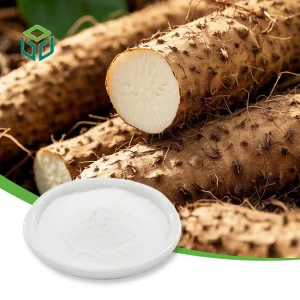
For global brands, sourcing reliable, highly bioavailable plant-derived active ingredients is essential. Traditional chemical-synthetic excipients and heavy-solvent extractions no longer meet regulatory requirements or consumer preferences. Contemporary buyers demand raw botanicals characterized by high standardization of bioactives (such as dioscin from Wild Yam, or gypenosides from Gynostemma) to ensure physiological efficacy. By supplying verified plant-derived active ingredients, Shenzhen Rubrum Biologics enables brands to create market-ready solutions that capture high consumer trust.
Effective digestion relies on a sequence of enzymatic processes, pH balances, and optimal mucosal barrier protection. While animal-derived enzymes (like pancreatin or pepsin) remain common, plant-based and mushroom-derived alternatives are gaining traction due to dietary restrictions, stability profiles across wider pH ranges, and suitability for vegan/vegetarian lifestyles.
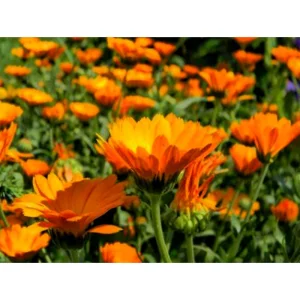
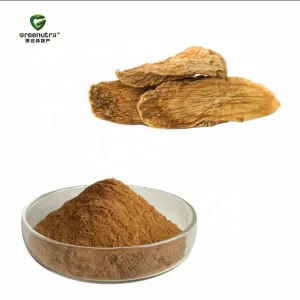
Saponin-rich botanicals, such as Wild Yam (Dioscorea Opposita) standardized for Dioscin, and Calendula Officinalis (Marigold) extracts, exert protective effects on the stomach lining. By modulating inflammatory cytokines (such as TNF-α and IL-6), these botanicals support the repair of the gastric mucosa and reduce mucosal inflammation.
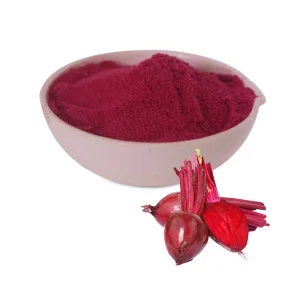
Standardized herbal powders like Burdock Root Extract (10:1) and Red Beet Root Extract contain high ratios of inulin and prebiotic fibers. These oligosaccharides serve as selective substrates for beneficial gut microflora (Bifidobacteria and Lactobacilli), producing short-chain fatty acids (SCFAs) that nourish colonocytes.
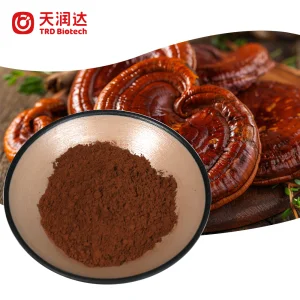
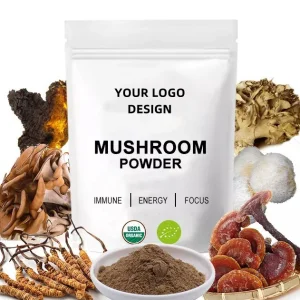
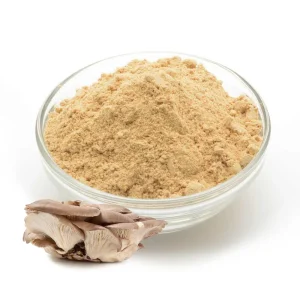
Functional mushrooms, particularly Reishi and Oyster Mushroom, contain structurally complex polysaccharides and triterpenoid compounds. These compounds support the enteric nervous system (ENS), modulating stress-induced digestive discomfort, gut spasms, and gut lining permeability.
The therapeutic efficacy of these botanicals depends on active ingredient standardization. Simple botanical powders are susceptible to natural variations in soil quality, climate, and harvesting seasons. Shenzhen Rubrum Biologics addresses this variability by manufacturing standardized extracts. Using high-performance liquid chromatography (HPLC) and ultraviolet-visible spectroscopy (UV-Vis), we guarantee specified bio-active concentrations in every batch, ensuring consistent therapeutic performance.
Shenzhen Rubrum Biologics Co., Ltd. is a leading China herbal extract manufacturer specializing in the research, development, production, and supply of high-quality natural plant extract ingredients for the food, supplement, and cosmetic industries. With a strong focus on innovation, quality assurance, and sustainable sourcing, the company serves customers worldwide with reliable botanical ingredient solutions.
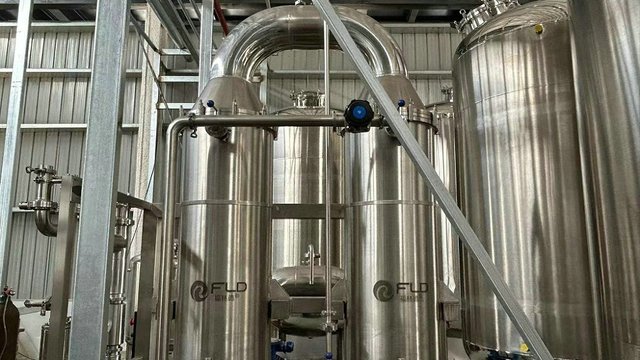
Leveraging advanced extraction technologies and modern manufacturing facilities, Shenzhen Rubrum Biologics offers a comprehensive portfolio of herbal extracts, botanical powders, natural active ingredients, and customized plant-based formulations. Its products are widely used in dietary supplements, functional foods, beverages, nutraceuticals, personal care products, cosmetics, and wellness applications.
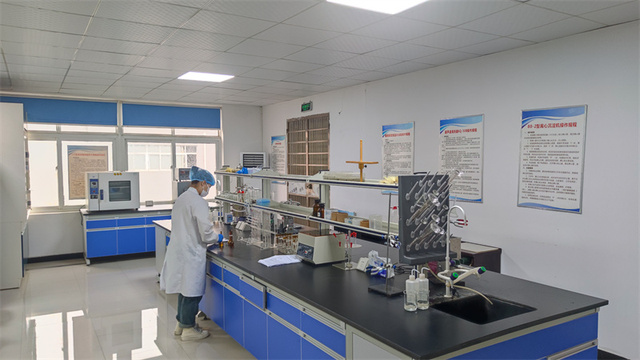
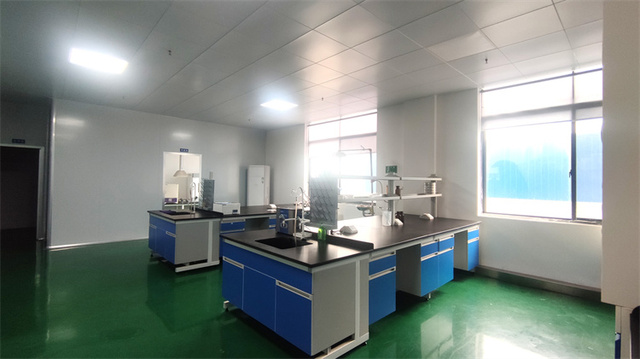
The company is committed to maintaining the highest standards throughout the entire production process, from raw material selection to final product delivery. By implementing rigorous quality control procedures and advanced analytical testing methods, Shenzhen Rubrum Biologics ensures product consistency, purity, and safety in accordance with international quality requirements.
Driven by a dedicated research and development team, the company continuously explores innovative extraction technologies and new botanical applications to meet the evolving needs of global markets. Customized solutions are available to help customers optimize product performance, enhance formulation efficiency, and accelerate product development.
With a customer-oriented philosophy, competitive manufacturing capabilities, and a stable global supply network, Shenzhen Rubrum Biologics Co., Ltd. has established long-term partnerships with manufacturers, distributors, and brand owners across numerous countries. The company remains committed to delivering premium natural plant extract ingredients that support healthier lifestyles and sustainable industry development worldwide.
| Parameters & Standards | Rubrum Biologics Specifications | B2B Client Advantages |
|---|---|---|
| Compliance Certifications | GMP, ISO 22000, HACCP, Halal, Kosher, and third-party laboratory verification. | Smooth import processes, global compliance, and readiness for retail distribution. |
| Analytical Quality Control | Identity testing via HPTLC, assay testing using HPLC/GC-MS, heavy metal analysis via ICP-MS. | Consistent potency, zero contamination, and reliable protection for brand reputation. |
| Custom Product Customization | Standardized powders, liquid extracts, micro-encapsulated beads, granules. | Optimized compatibility with capsules, tablets, sachets, functional foods, and RTD beverages. |
| Traceable Supply Chain | Direct sourcing from GAP-aligned botanical farming bases. | Transparent raw material pedigree, meeting clean label and environmental criteria. |
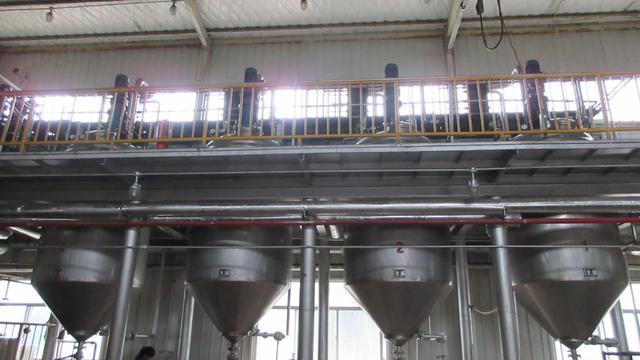
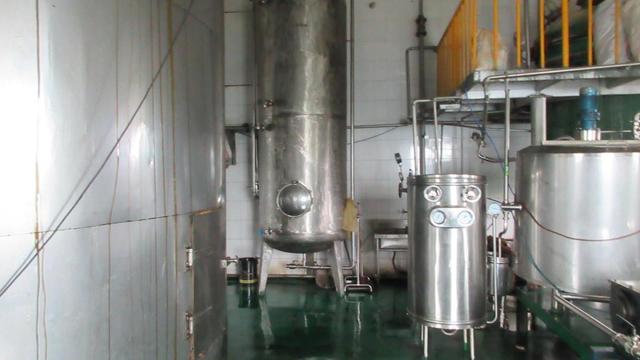
Translating raw botanical materials into highly bioavailable active components requires advanced extraction technology. Traditional high-heat extraction often degrades volatile actives and heat-sensitive digestive enzymes. Shenzhen Rubrum Biologics utilizes modern low-temperature technologies to preserve the integrity of therapeutic components.
Using carbon dioxide (CO2) at controlled temperatures and pressures, this method isolates lipophilic bioactives and delicate essential oils without chemical solvent residues. This process is ideal for high-purity, clean-label digestive formulations.
Natural enzymes break down botanical cell walls, enhancing the release of intracellular components (such as dioscin and beta-glucans). Modern cross-flow membrane filtration then concentrates these target fractions at low temperatures, preserving biological activity.
To protect sensitive active compounds from harsh stomach acids and ensure delivery to the lower gastrointestinal tract, we offer advanced microencapsulation. Using lipid or polysaccharide coatings, this technology extends shelf-life and supports targeted release.
Through these scientific practices, Shenzhen Rubrum Biologics ensures that our active botanical ingredients function reliably in diverse digestive health formulations, providing brands with consistent product efficacy.
Digestive wellness preferences and regulatory standards vary significantly by region. A successful product formulation in one market may require modifications to comply with regulatory frameworks or consumer preferences in another.
In the United States and Canada, consumers prioritize non-GMO, clean-label, and allergen-free certifications. Product formulation trends emphasize combining digestive enzymes with prebiotic plant fibers and functional adaptogens to address bloating and stress-induced digestion. Our organic certifications and heavy metal testing facilitate entry into these markets.
The European market operates under strict regulations from the European Food Safety Authority (EFSA). Formulations must prioritize approved plant extracts and avoid synthetic colors or additives. Shenzhen Rubrum Biologics provides standardized botanical solutions (such as Marigold and Grape Seed extracts) with comprehensive chemical characterization to support EFSA documentation.
The Asia-Pacific region blends traditional herbal wisdom (such as Wild Yam and Gynostemma) with modern delivery systems like ready-to-drink (RTD) beverages, jelly strips, and dissolvable powders. We support these formats by engineering water-soluble, highly stable botanical powders that maintain taste, clarity, and efficacy in liquid formulations.
Developing a new dietary supplement requires careful coordination between formulation design, sourcing, manufacturing, and regulatory compliance. Shenzhen Rubrum Biologics provides an end-to-end partnership model to streamline this process, minimizing risk and accelerating time-to-market.
| Phase | Core Activities & Processes | Quality Assurance Benchmarks |
|---|---|---|
| 1. Formulation Planning | Defining the ingredient ratio, target health claims, dosage form (e.g., capsule, liquid), and clean-label parameters. | Scientific review of ingredient safety, bioavailability assessment, and compatibility verification. |
| 2. Raw Material Verification | Procuring traceable botanicals, verifying active marker content (e.g., gypenosides, dioscin) via HPLC. | Testing for heavy metals, pesticides, and solvent residues to ensure compliance with international limits. |
| 3. Pilot Production | Manufacturing small batches to assess mixture flow, stability, solubility, and flavor profiles (for beverages/jellies). | Accelerated stability studies under varying temperature and humidity conditions to establish shelf life. |
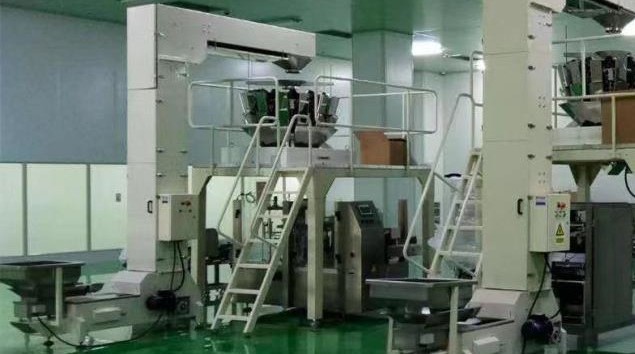
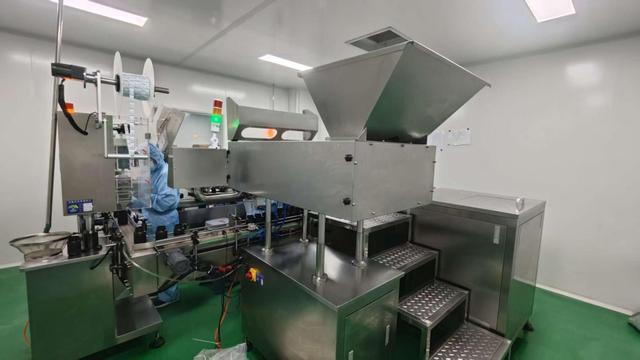
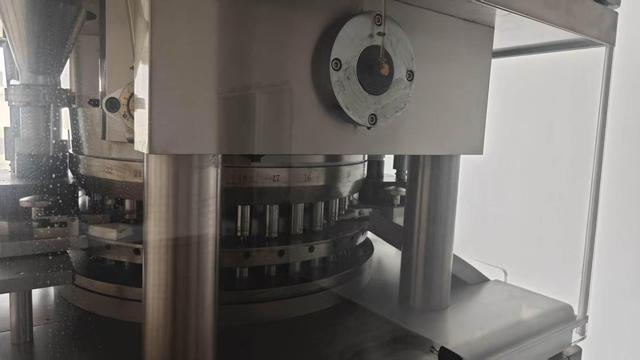
| 4. Full-Scale Manufacturing | GMP-compliant compounding, blending, encapsulation, tableting, or liquid bottling. | In-process quality testing, particle size verification, and environmental control monitoring. |
| 5. Packaging & Logistics | Custom labeling, sterile primary packaging, and preparing global export documentation. | Providing complete certificates of analysis (COA) and safety data sheets (SDS) for customs clearance. |
 Rubrum Biologics