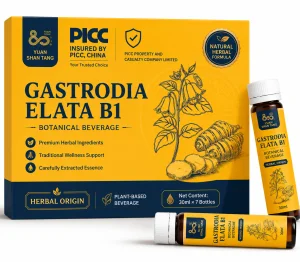
Engineered for absolute bioavailability and structural integrity under demanding environmental conditions.
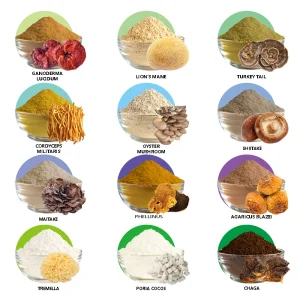
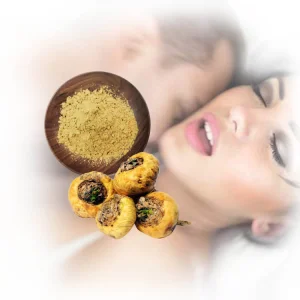
Evaluating macroeconomic parameters, agricultural deficits, and nutraceutical demand trends within the East African region.
The Republic of South Sudan, containing extensive agrarian zones along the Nile Basin, is undergoing an economic structural shift where diversification beyond oil exportation is highly prioritized. Despite the abundance of native botanical resources such as wild Moringa Oleifera, Shea nut trees (Vitellaria paradoxa), and diverse indigenous acacia varieties, the local industrial processing capacity for high-purity, standardized organic herbal extracts remains critically constrained. The regional supply chain relies heavily on raw material exports and finished product imports, creating a significant trade imbalance and high supply risk for local consumer brand owners and medical entities.
Macro Market Insight: High-temperature profiles and storage infrastructure deficits across South Sudan necessitate botanical raw materials that exhibit superior thermal stability and moisture resistance. The import of standardized powder extracts from trusted global manufacturers like Shenzhen Rubrum Biologics Co., Ltd. fills a crucial gap for premium nutraceuticals, food grade additives, and cosmetic bases in Juba, Wau, and Malakal.
As the East African Community (EAC) harmonizes food and drug standards, South Sudan's regulatory authorities are setting higher baselines for purity, microbial counts, and heavy metal concentrations. The demand for industrial inputs has transitioned from raw powders to highly bioavailable, standardized active ingredients. Buyers in the functional food, beverage, and phytomedicine sectors demand verified chemical assays showing exact percentages of active compounds such as ursolic acid, steviosides, or ginsenosides to comply with EAC harmonized protocols.
Guaranteed molecular potency using High-Performance Liquid Chromatography (HPLC) and Gas Chromatography-Mass Spectrometry (GC-MS) validation protocols.
Pesticide residue clearances and heavy metal containment matching USDA Organic, Halal, Kosher, and European Union botanical guidelines.
Multi-layered vacuum sealing and desiccant-enhanced storage systems built to withstand the tropical transit routes of the East African corridors.
Overcoming transit complexity, customs processing, and temperature-sensitive storage variables in Sub-Saharan Africa.
Procuring raw chemical and botanical materials for South Sudanese manufacturing facilities presents distinct logistics issues. Overland transport routes from regional ports like Mombasa (Kenya) or Port Sudan through to Juba present thermal risks that can degrade unstable phytochemical structures. Heat-induced oxidation of essential oils, lipid degradation of botanical powders, and microbial fermentation of liquid supplements represent standard issues in cross-border bulk supply chains.
Shenzhen Rubrum Biologics Co., Ltd. addresses these problems by integrating protective technical infrastructure into our global export systems. We employ heavy-duty high-barrier laminated aluminum foil bags with heat-reflective exterior layers. Each bulk package features built-in oxygen absorbers and silica desiccants. This keeps the relative humidity below critical levels, preventing clumping and biochemical decomposition during prolonged transit through tropical custom-clearance points.
Furthermore, our logistics framework utilizes established carriers that offer climate-monitored consolidation points. By working with global logistics networks and coordinating directly with agents in East Africa, we provide customs clearance assistance (clearance documents, phytosanitary declarations, certificate of origin) to ensure direct deliveries to Juba's industrial zones without delays.
How advanced extraction systems protect the structural integrity of natural metabolites.
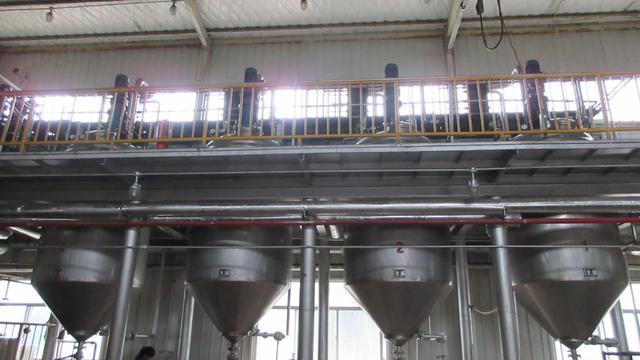
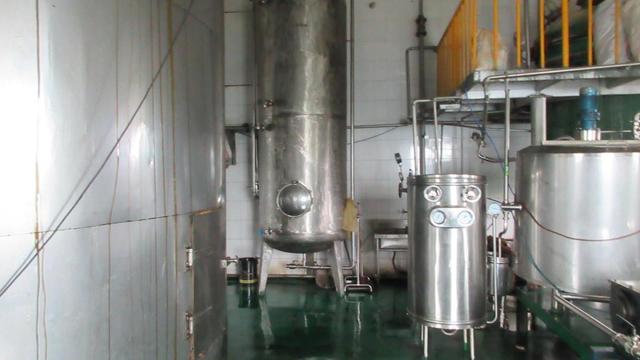
Standard extraction procedures often rely on high-temperature solvent washes that can degrade delicate bioactive molecules, reducing the efficacy of the final product. Shenzhen Rubrum Biologics Co., Ltd. utilizes low-temperature extraction platforms to optimize phytomedicinal potency. Our manufacturing facility uses Supercritical Fluid Extraction (SFE) using CO2, alongside low-temperature vacuum counter-current extraction systems, to preserve heat-sensitive compounds like active enzymes, delicate polysaccharides, and volatile aroma profiles.
Our extraction methodology focuses on three main technical parameters:
By adjusting pressure and temperature variables, we target and extract specific lipophilic and hydrophilic compounds. This prevents solvent residue contamination and eliminates the need for high-heat evaporation stages, preserving compound integrity.
We use ceramic membranes to filter out heavy proteins, pectins, and starches at ambient temperatures. This process results in highly soluble, refined active powders that dissolve clearly in liquids without sediment—an essential feature for premium functional beverages.
Our micro-encapsulation technology coats active ingredients in a protective food-grade carrier shell. This shell shields active components from moisture, light, and oxidation, extending the shelf-life of our ingredients in humid or tropical storage facilities.
Global botanical manufacturing operations, R&D centers, and quality control systems.
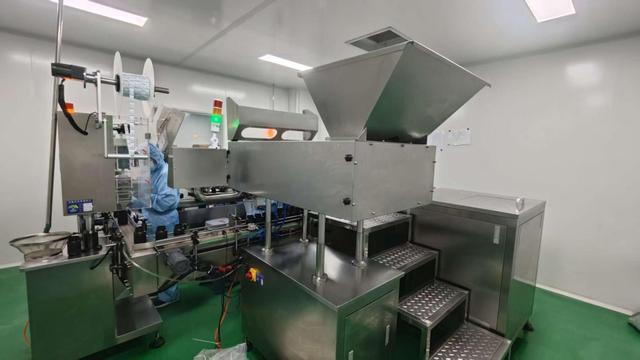
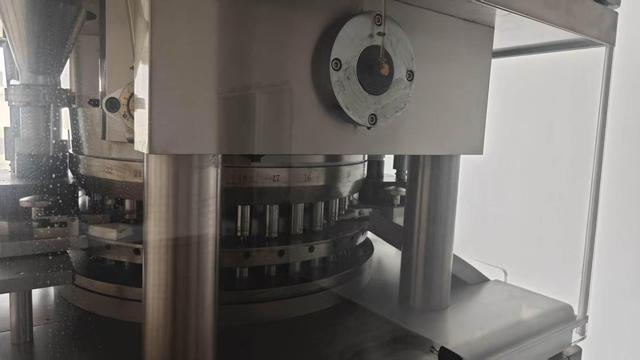
Shenzhen Rubrum Biologics Co., Ltd. is a major China-based manufacturer of natural plant extracts, specializing in the research, development, production, and supply of plant ingredients for the food, supplement, and cosmetic sectors. We serve a global client base with reliable botanical solutions, focusing on processing innovation and verified quality standards.
Utilizing high-capacity extraction systems and modern production facilities, we deliver a broad portfolio of herbal extracts, botanical powders, natural active ingredients, and custom formulations. Our products are used globally in dietary supplements, functional foods, beverages, personal care items, and clinical applications.
We apply standardized quality control systems across our entire production process, from sourcing raw plants to final shipping. Through clean-room packaging facilities and certified analytical testing labs, we verify batch consistency, purity, and safety in line with international food safety requirements.
Our dedicated R&D team continuously refines our extraction techniques and explores new botanical applications to meet changing market needs. We also provide custom formula engineering to help clients optimize product efficacy and shorten development timelines.
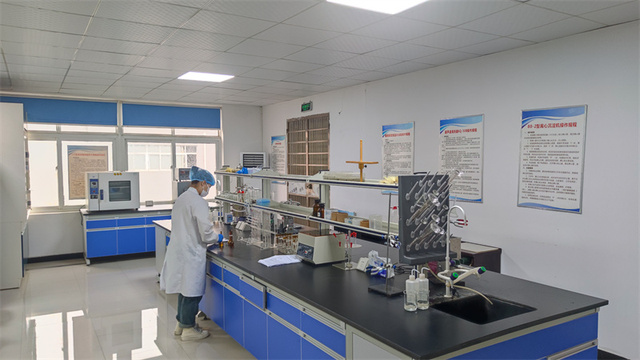
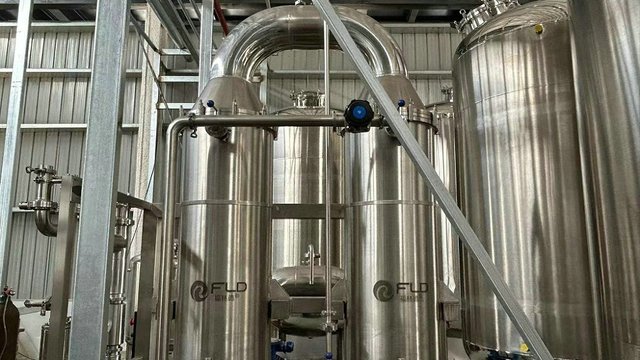
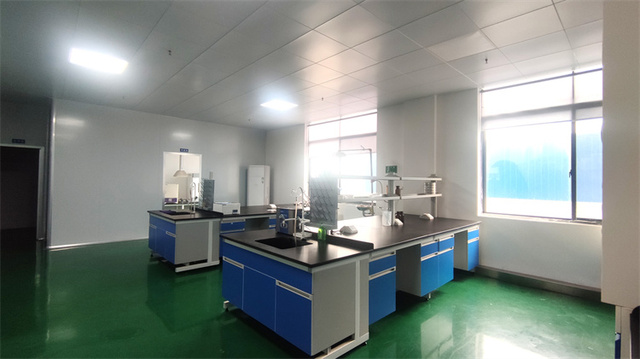
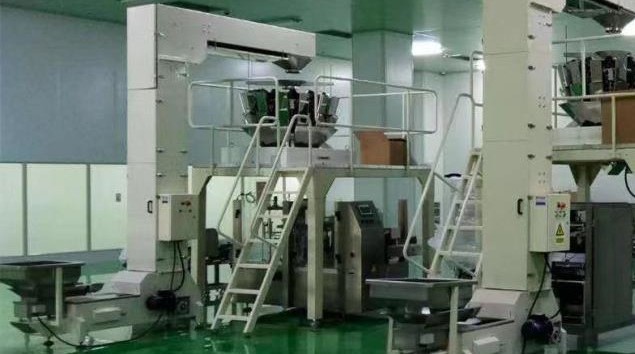
Meeting regulatory guidelines of the Ministry of Health and Drug Food Control Authority (DFCA).
In South Sudan, importing health-related materials requires compliance with national drug and food safety controls. Any botanical ingredient intended for human consumption must be registered with the Ministry of Health and the South Sudan Drug Food Control Authority (DFCA). The lack of local testing infrastructure means that manufacturers must supply extensive documentation, including detailed chemical profiles and safety assays from certified third-party testing labs.
Shenzhen Rubrum Biologics Co., Ltd. provides a complete regulatory document package for our regional clients. Every batch is shipped with its corresponding Certificate of Analysis (COA), detailed Material Safety Data Sheets (MSDS), validated Phytosanitary Certificates, and verified heavy-metal and pesticide test results. This complete documentation helps expedite customs processes and supports compliance audits at regional points of entry.
Looking ahead, we are continuing to improve our plant extraction techniques. By 2026, we aim to implement enhanced enzymatically modified biocatalytic extractions. This technique uses specific natural enzymes to break down tough plant cell walls, maximizing the yields of active components like astragaloside, chicoric acid, and curcuminoids, which helps lower cost-per-kilogram values for regional manufacturing plants.
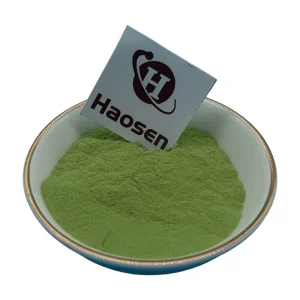
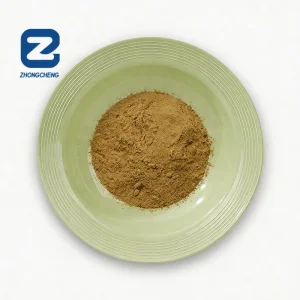
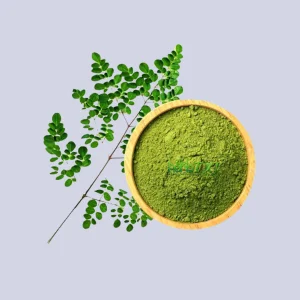
Premium extracts in stock and ready for immediate customs clearance and delivery to South Sudan.
Answering vital compliance, technical, and logistic queries for industrial botanical procurement in East Africa.
 Rubrum Biologics