Targeted phytochemical complexes and state-of-the-art laboratory extraction equipment engineered for high performance, standard purity, and seamless industrial integration.
The botanical raw materials sector in the Russian Federation is undergoing a profound structural transition. Historically reliant on localized wild harvesting (such as Siberian ginseng and wild berries) and Western European supply chains, the Russian food, cosmetic, and pharmaceutical manufacturing sectors are rapidly diversifying their sourcing portfolios. Domestic demand for standardized, high-concentration plant extracts has risen by more than 28% over the past four years, driven by the strong growth of the functional food sector and localized cosmetic manufacturing in hubs such as Moscow, St. Petersburg, and Novosibirsk.
As import substitution becomes a central operational directive for Russian enterprise, manufacturers are facing structural deficits in domestic high-purity active ingredient isolation. While wild sourcing exists for primary herbs, the industrial capacity for complex, high-ratio root isolation (such as 50:1 concentrated fractions or precise standardized saponins/inulin assays) remains concentrated in advanced global production clusters. This dynamic has positioned specialized international botanical exporters as critical partners in maintaining supply chain stability and product quality standards across the Russian pharmaceutical and wellness sectors.
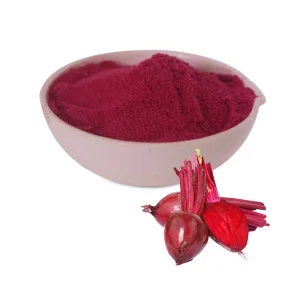
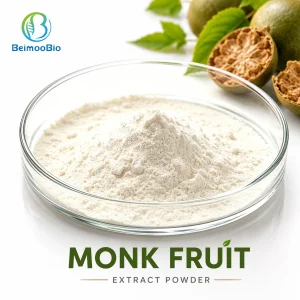
Russian consumer demand for clean-label, plant-derived products is steering food processing companies to reformulate beverages, bakery goods, and dairy lines using natural sweeteners like Monk Fruit and natural colorants like Beetroot.
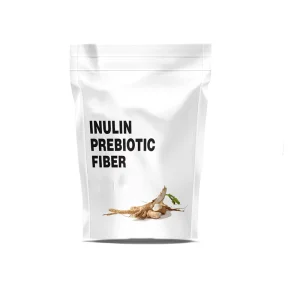
Strict domestic regulations require highly standardized bioactive markers (e.g., specific ginsenoside concentrations in Panax Ginseng or inulin levels in Chicory Root) to satisfy GOST validation protocols.
Three primary macro trends are shaping the procurement patterns of Russian plant extract importers and distributors today:
Annual Demand Increase
EAC Compliant Standard
Heavy Metal Threshold
Tons Annual Supply Capacity
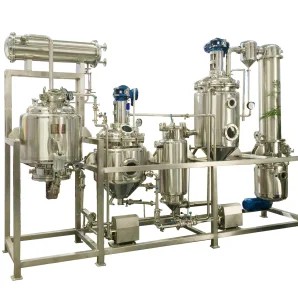
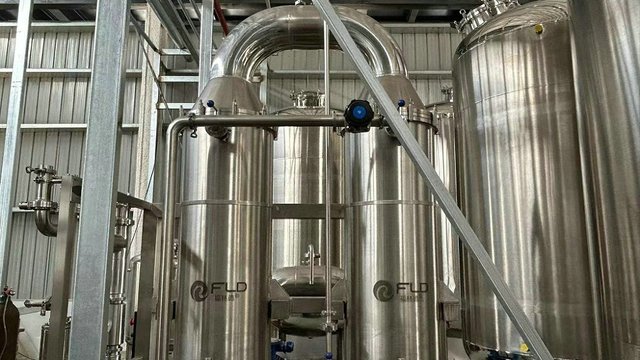
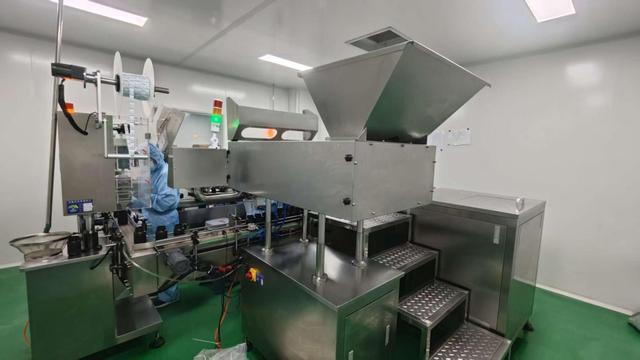
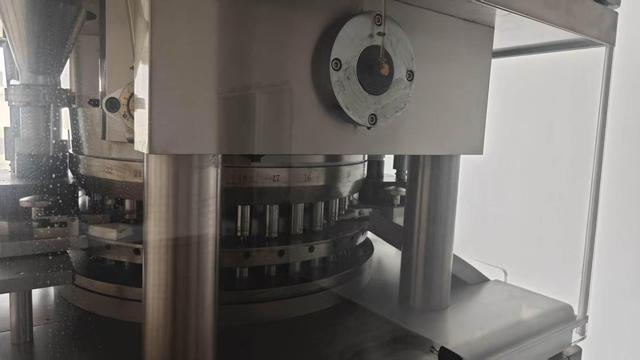
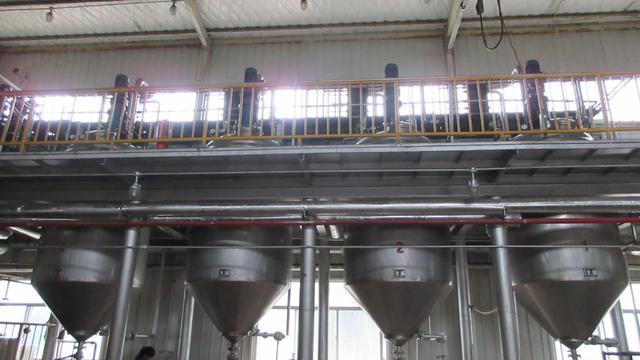
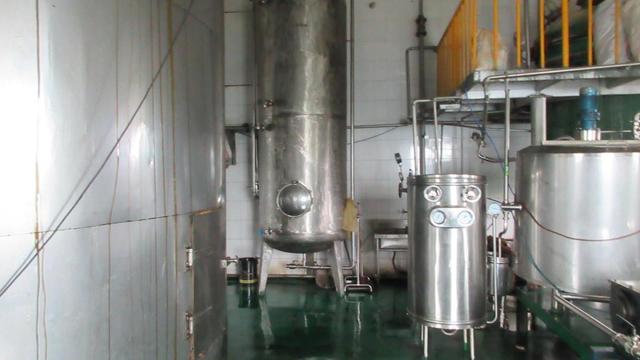
Industrial performance in botanicals is closely linked to extraction technology. Conventional thermal extraction often degrades heat-sensitive compounds, reducing the efficacy of the final extract. To prevent this degradation, Shenzhen Rubrum Biologics Co., Ltd. utilizes advanced extraction systems, including:
Combines low-temperature vacuum extraction with high-frequency sound waves. This process breaks plant cell walls mechanically without thermal damage, preserving the therapeutic integrity of delicate root actives.
Utilizes complex cellulase enzyme systems to hydrolyze structural polysaccharides in plant cell membranes, accelerating active ingredient release and maximizing yields.
Ensures that every batch of raw material contains exact, repeatable active concentrations (e.g., 80% Ginsenosides) through state-of-the-art column purification technologies.
Navigating phytosanitary declarations and customs clearance protocols for imports into the Russian Federation.
Importers of botanical ingredients into the Russian Federation must navigate a complex regulatory framework governed by the Eurasian Economic Union (EAEU). Under the Unified Sanitary-Epidemiological and Phytosanitary Requirements, raw plant materials and active concentrates must strictly satisfy the TR CU 021/2011 (On Food Safety) and TR CU 022/2011 (Food Products in Terms of Their Labeling) technical regulations.
Every imported batch must be accompanied by a comprehensive package of documentation, including a validated Phytosanitary Certificate issued by the exporting nation's customs authorities, an official State Registration Certificate (SGR) for functional components, and a verified Certificate of Analysis (COA) showing compliance with established microbial, pesticide, and heavy metal thresholds.
For cosmetic-grade ingredients, compliance with TR CU 009/2011 (On safety of cosmetic products) is mandatory. This regulation sets strict limits on residual solvents (such as ethanol, methanol, or ethyl acetate) and trace heavy metals (lead, arsenic, cadmium, and mercury). Our analytical testing and documentation packages are designed to support smooth transit through key Russian import hubs, including Vladivostok, Novorossiysk, and St. Petersburg customs points.
Optimizing plant yield and active extraction efficiency through advanced biological technologies.
Using targeted enzyme combinations to degrade complex cell-wall structures prior to extraction, making target actives highly accessible and improving extraction efficiency.
Applying vacuum-assisted evaporation to concentrate active ingredients at low temperatures, preserving vulnerable bioactive fractions and aromatic profiles.
Using macroporous resin column chromatography to selectively separate active compounds, producing standardized extracts matching precise client specifications.
Premium plant extracts, functional ingredients, and industrial processing machinery designed for the modern wellness and manufacturing sectors.
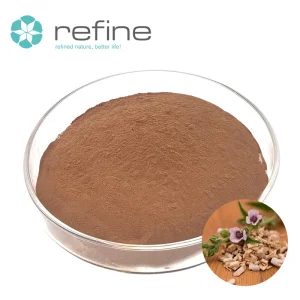
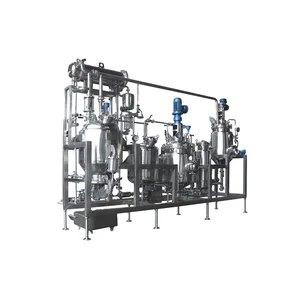
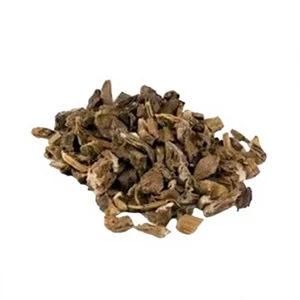
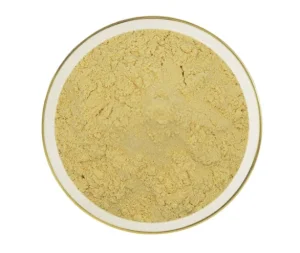
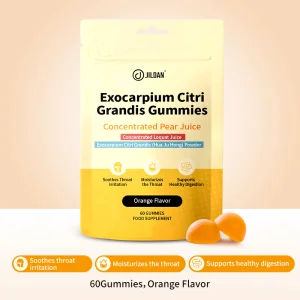
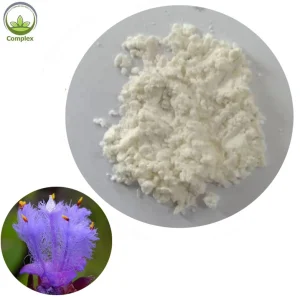
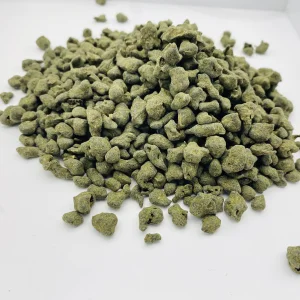
A trusted global supplier of specialized botanical extracts, custom formulations, and high-precision extraction machinery.
Shenzhen Rubrum Biologics Co., Ltd. is a leading China herbal extract manufacturer specializing in the research, development, production, and supply of high-quality natural plant extract ingredients for the food, supplement, and cosmetic industries. With a strong focus on innovation, quality assurance, and sustainable sourcing, the company serves customers worldwide with reliable botanical ingredient solutions.
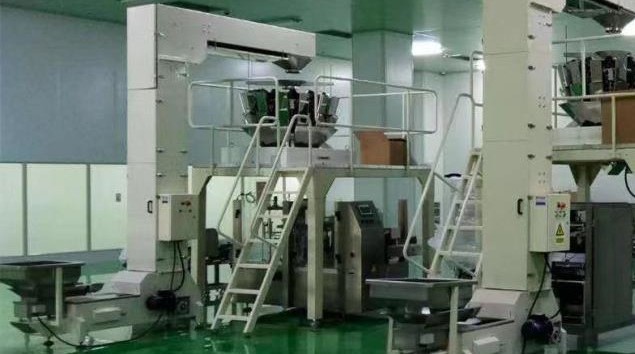
Leveraging advanced extraction technologies and modern manufacturing facilities, Shenzhen Rubrum Biologics offers a comprehensive portfolio of herbal extracts, botanical powders, natural active ingredients, and customized plant-based formulations. Its products are widely used in dietary supplements, functional foods, beverages, nutraceuticals, personal care products, cosmetics, and wellness applications.
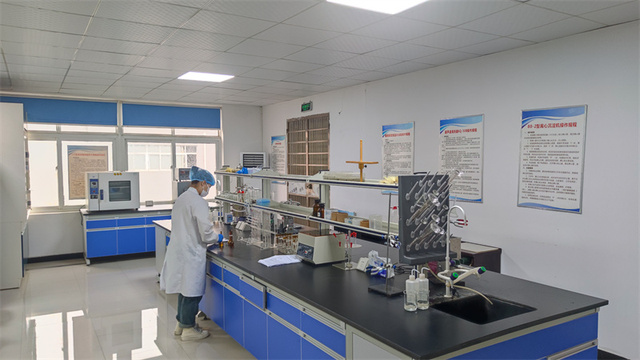
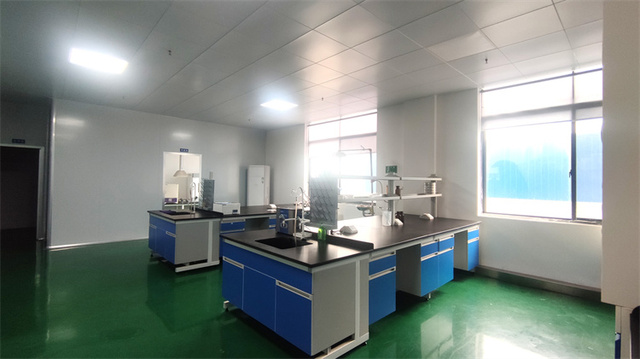
The company is committed to maintaining the highest standards throughout the entire production process, from raw material selection to final product delivery. By implementing rigorous quality control procedures and advanced analytical testing methods, Shenzhen Rubrum Biologics ensures product consistency, purity, and safety in accordance with international quality requirements.
Driven by a dedicated research and development team, the company continuously explores innovative extraction technologies and new botanical applications to meet the evolving needs of global markets. Customized solutions are available to help customers optimize product performance, enhance formulation efficiency, and accelerate product development.
With a customer-oriented philosophy, competitive manufacturing capabilities, and a stable global supply network, Shenzhen Rubrum Biologics Co., Ltd. has established long-term partnerships with manufacturers, distributors, and brand owners across numerous countries. The company remains committed to delivering premium natural plant extract ingredients that support healthier lifestyles and sustainable industry development worldwide.
Detailed compliance, logistical, and technical insights regarding root extract procurement and imports to Russia.
 Rubrum Biologics