Explore our globally verified selection of organic ingredients tailored for food fortification, pharmaceuticals, and dietary supplements in expanding markets like Ethiopia.
Ethiopia, often referred to as the water tower of East Africa, possesses a distinct ecological landscape characterized by dramatic altitudinal variations. This unique environment nurtures thousands of endemic botanical species. In recent years, the market for seed extract manufacturing in Ethiopia has transitioned from basic agricultural harvesting to structured industrial processing. Key cash seeds, such as Nigella Sativa (Black Seed), Sesame, Castor seeds, Moringa Oleifera, and indigenous oilseeds, represent a massive reservoir of raw botanical compounds.
Historically, local businesses focused heavily on the export of raw agricultural seeds, missing the significant margins associated with value-added extraction. Today, the Ethiopian government, supported by initiatives from the Ministry of Innovation and Technology (MInT) and investment frameworks in industrial parks like Bole Lemi and Hawassa, is encouraging the development of domestic processing infrastructure. Despite this, local manufacturers face technical bottlenecks: stable electrical supply, access to food-grade extraction solvents (such as ethanol and CO2), and sophisticated standardization equipment (HPLC, GC-MS). As a result, strategic partnerships between Ethiopian seed sourcing houses and global extraction facilities are defining the modern supply chain.
In the global market, seed extracts are highly valued for their applications in functional foods, dietary supplements, and natural cosmetics. The primary drivers are consumer demand for clean labels, transparent supply chains, and clinically proven botanical actives. However, botanical supply chains face challenges from geopolitical shifts, climate instability affecting harvests, and differing regulatory standards for pesticide and heavy metal limits.
This is where the strategic partnership between East African agricultural production and Chinese manufacturing efficiency becomes highly beneficial. While Ethiopia offers rich biodiversity, fertile soils, and competitive labor costs, China provides advanced phytochemical processing systems, high-efficiency production, and strict testing protocols. Through this synergy, raw seeds grown under organic conditions in Ethiopia can be processed at scale, ensuring consistent active ingredient levels, such as thymoquinone in black seed oil or rosmarinic acid in rosemary extracts.
Leveraging Ethiopia's optimal climatic zones (cool highlands and warm valleys) to cultivate nutrient-dense botanical crops without synthetic fertilizers.
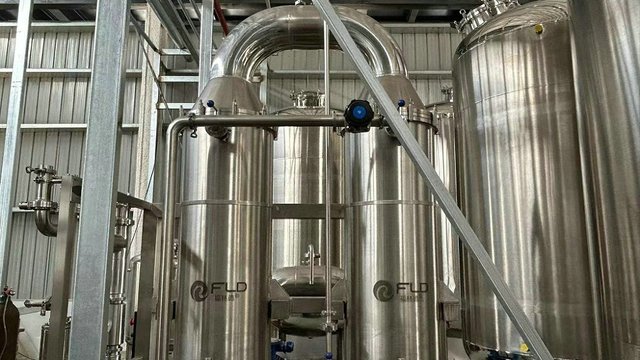
Applying industrial-scale extraction technologies, such as subcritical liquid extraction and countercurrent extraction, to maximize active compound yields.
Employing HPLC, GCMS, and ICP-MS testing to guarantee conformity with USDA Organic, EU Organic, Halal, and Kosher certifications.
For global procurement managers, balancing cost-efficiency with high quality is a key objective. Working directly with local extraction facilities in developing economies often presents challenges, including batch-to-batch variation, high solvent residue levels, and unstable shipment timelines. Partnering with a developer and manufacturer like Shenzhen Rubrum Biologics Co., Ltd. addresses these issues.
By utilizing advanced Chinese engineering, manufacturing facilities can process imported raw seeds or source regional materials using highly optimized techniques. This approach offers several key advantages:
Looking for customized seed extracts or private label supplement manufacturing?
Get a Tailored Sourcing QuotationThe application of seed extracts in East Africa, particularly in Ethiopia, is expanding beyond traditional home remedies into modern consumer products:
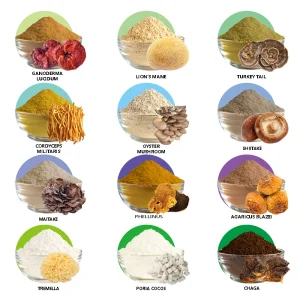
Fortifying stable staple grains like Teff flour with protein-rich moringa seed extracts or immunomodulatory mushroom powders to address micronutrient deficiencies.
Blending highly stable antioxidant extracts, such as rosemary ursolic acid, into locally produced shea butter and cold-pressed oils to create premium skincare exports.
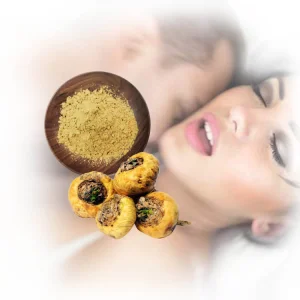
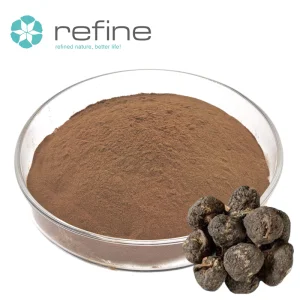
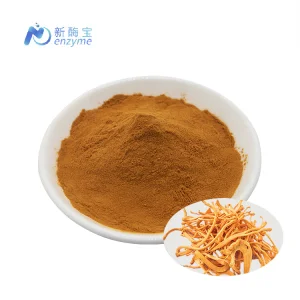
Developing standardized capsule and liquid formulations using ingredients like Maca and Cordyceps extracts to support metabolic health and active lifestyles.
The global botanical extraction sector is undergoing a major technological transformation. Key trends over the next five years include:
Moving away from petrochemical solvents like hexane, and transitioning to water, ethanol, and supercritical CO2 extraction methods.
Implementing digital supply chain mapping from the cultivation stage in Ethiopia through processing facilities to the final buyer.
Combining single-ingredient botanical powders into multi-extract formulations designed for specific health and functional outcomes.
Meeting stricter regulatory guidelines regarding heavy metal limits, pesticide residue controls, and plasticizer migration restrictions.
When sourcing seed extracts from Ethiopia or through global manufacturing partnerships, purchasing directors should consider the following verification process:
Shenzhen Rubrum Biologics Co., Ltd. is a leading China herbal extract manufacturer specializing in the research, development, production, and supply of high-quality natural plant extract ingredients for the food, supplement, and cosmetic industries. With a strong focus on innovation, quality assurance, and sustainable sourcing, the company serves customers worldwide with reliable botanical ingredient solutions.
Leveraging advanced extraction technologies and modern manufacturing facilities, Shenzhen Rubrum Biologics offers a comprehensive portfolio of herbal extracts, botanical powders, natural active ingredients, and customized plant-based formulations. Its products are widely used in dietary supplements, functional foods, beverages, nutraceuticals, personal care products, cosmetics, and wellness applications.
The company is committed to maintaining the highest standards throughout the entire production process, from raw material selection to final product delivery. By implementing rigorous quality control procedures and advanced analytical testing methods, Shenzhen Rubrum Biologics ensures product consistency, purity, and safety in accordance with international quality requirements.
Driven by a dedicated research and development team, the company continuously explores innovative extraction technologies and new botanical applications to meet the evolving needs of global markets. Customized solutions are available to help customers optimize product performance, enhance formulation efficiency, and accelerate product development.
With a customer-oriented philosophy, competitive manufacturing capabilities, and a stable global supply network, Shenzhen Rubrum Biologics Co., Ltd. has established long-term partnerships with manufacturers, distributors, and brand owners across numerous countries. The company remains committed to delivering premium natural plant extract ingredients that support healthier lifestyles and sustainable industry development worldwide.
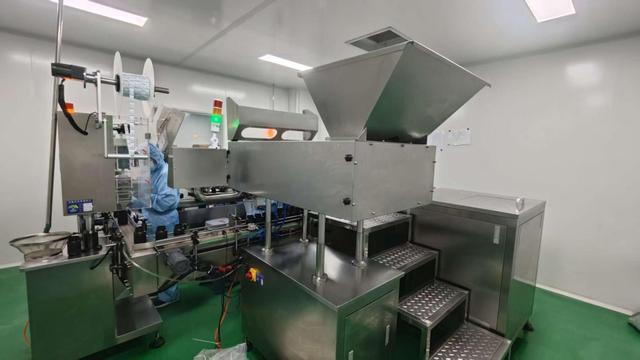
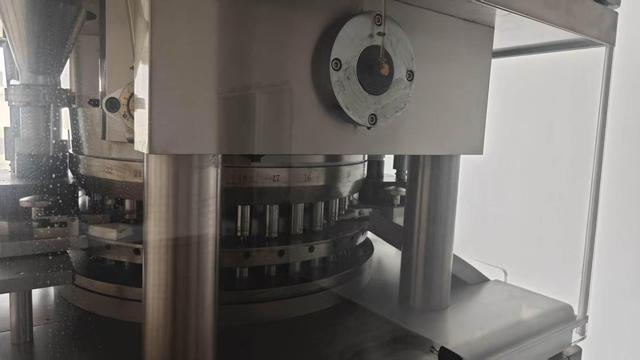
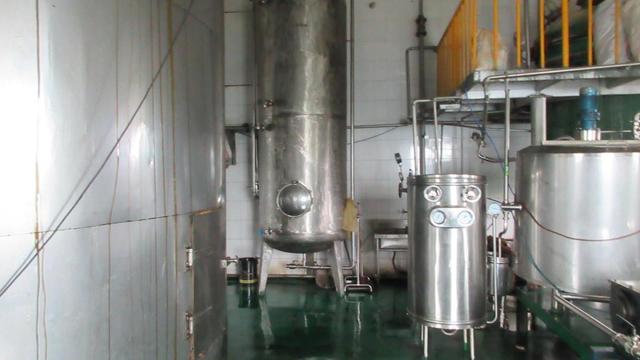
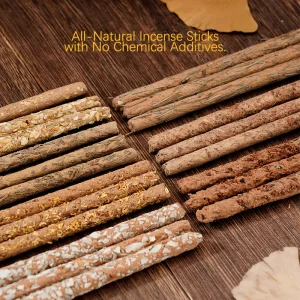
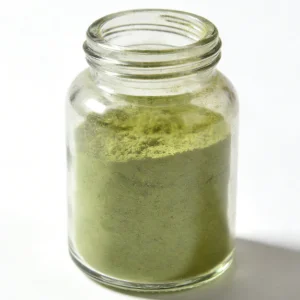
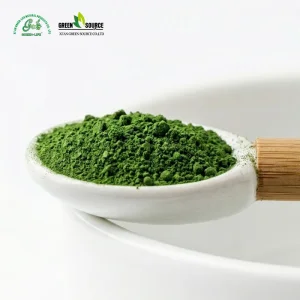
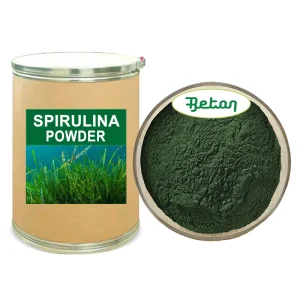
Select from our premium botanicals, food-grade natural sweeteners, micro-algae powders, and calming incense raw materials, manufactured to meet global regulatory standards.
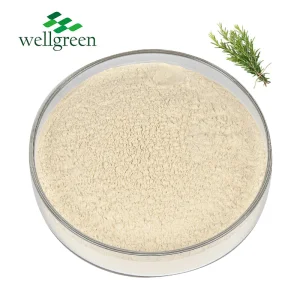
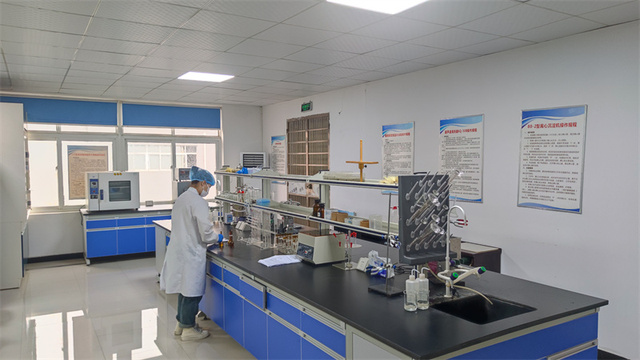
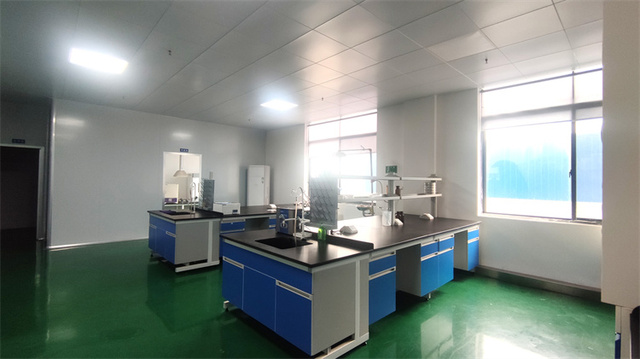
We standardize our seed extracts using advanced laboratory testing, including High-Performance Liquid Chromatography (HPLC) and Gas Chromatography-Mass Spectrometry (GC-MS). This process ensures that target active ingredients, such as Thymoquinone in Black Seed or Ursolic Acid in Rosemary, remain consistent across production runs.
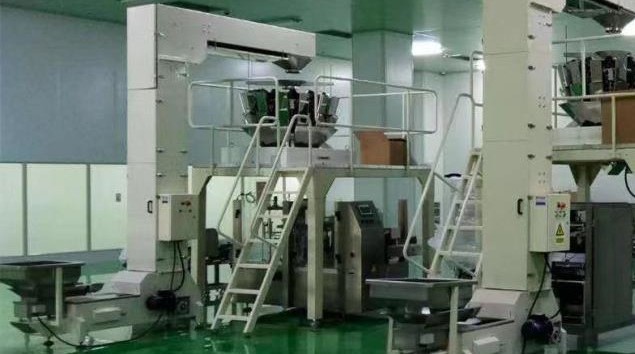
Yes, we provide toll extraction and contract manufacturing services. High-quality raw seeds cultivated in Ethiopia can be processed at our advanced facilities, utilizing efficient extraction lines to produce food-grade and pharmaceutical-grade standardized powders and oils.
Our manufacturing lines are certified under international quality standards, including USDA Organic, EU Organic, GMP, ISO 22000, Halal, and Kosher. This compliance ensures a smooth customs clearance process for imports into North America, Europe, Asia, and East Africa.
Standard catalog ingredients typically ship within 7 to 10 working days. For custom formulation development, pilot batch testing, and private label packaging, total lead times generally range between 3 to 5 weeks, depending on the complexity of the formulation and regulatory documentation requirements.
Every batch of raw material undergoes third-party testing at the sourcing stage. We then utilize clean solvent extraction and membrane filtration technology to remove impurities, ensuring the final powder meets USP/EP safety limits for lead, arsenic, cadmium, and pesticide residues.
Get in touch with our engineering team for technical datasheets, free product samples, and customized contract manufacturing quotes tailored to the Ethiopian and wider East African markets.
Send Inquiry Now Rubrum Biologics