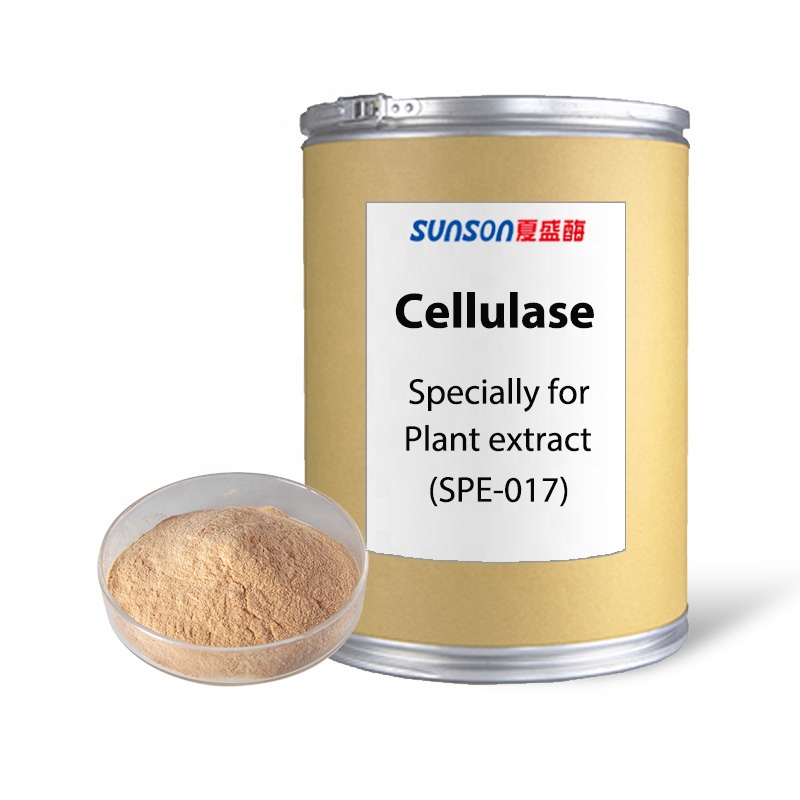
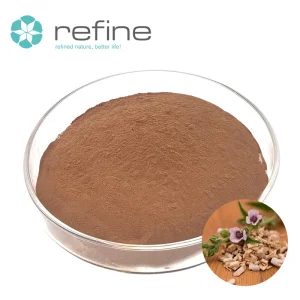
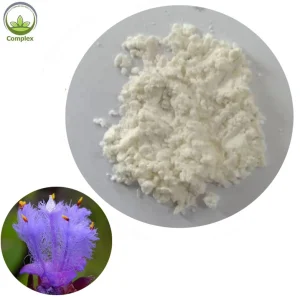
Complex Cellulase Enzyme Powder (017), Special for Plant Extract, Improve the Yield of Nutrients Extract From Herbs or Plants
INTRODUCTION
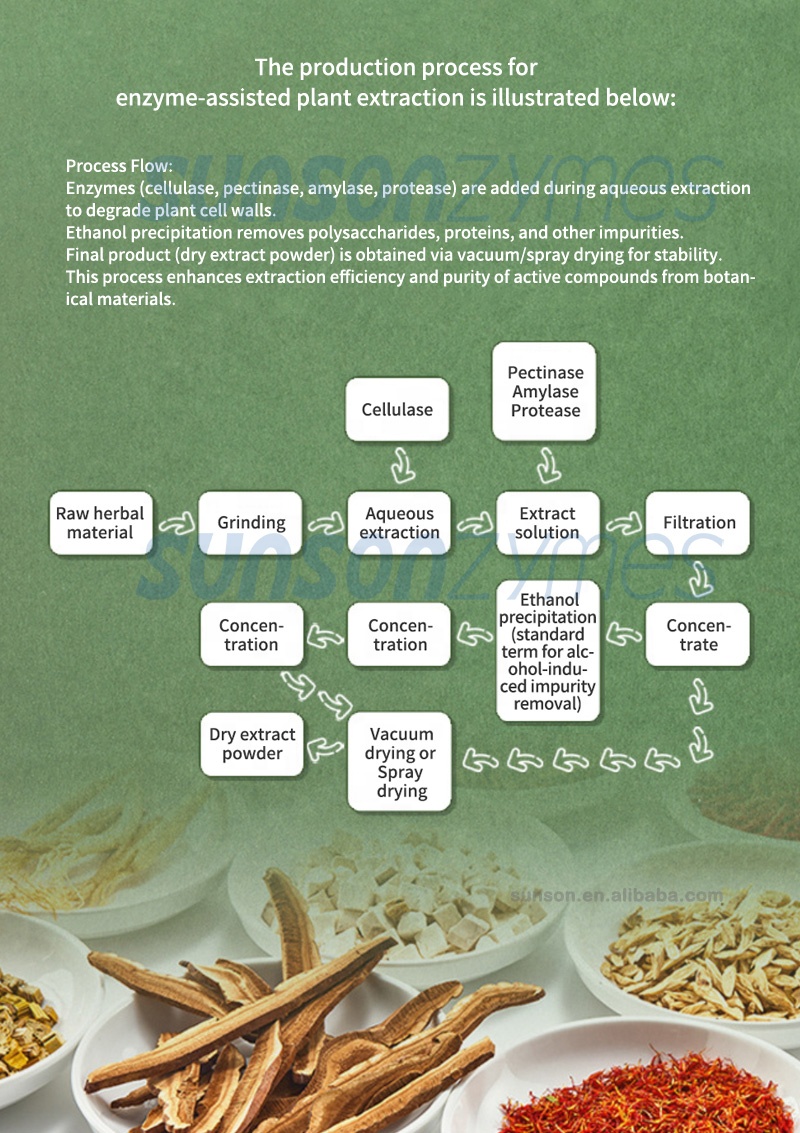
This product is a high-efficiency cellulase preparation produced through liquid submerged fermentation using superior microbial strains, followed by refining processes such as ultrafiltration. It hydrolyzes or degrades cell wall components and mucilaginous impurities, disrupts plant cell walls, exposes and dissolves active components into solvents, thereby enhancing the dissolution efficiency of bioactive constituents and extracting intracellular active components.
Cellulase (SPE-017) is produced by submerged fermentation of Trichoderma reesei followed by purification and formulation. This product works efficiently within a wide temperature (55°C-65°C) and pH range (pH 4.0-6.0). It is broadly used in animal feed, distilling, textile, plant extract, food, and so on.
MECHANISM
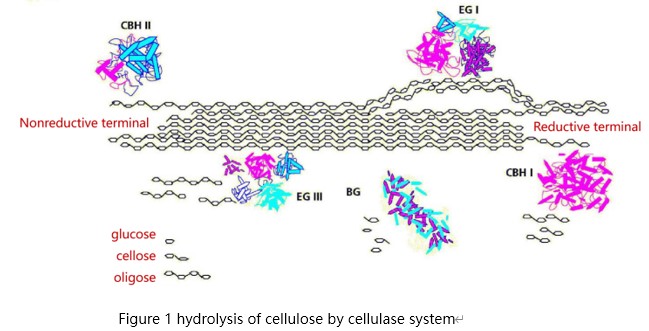
Cellulose is a glucose polymer linked with β-1,4-glycosidic bonds. Cellulase system consists of three major components: endoglucanase (endo-1,4-β-D-glucanase or EG), cellobiohydrolases (exo-1,4-β-D-glucanases, or CX, or CBH), and β-glucosidases (1,4-β-D-glucosidase; BG; BGL). As illustrated in the below diagram, these activities work synergistically on cellulose and efficiently convert cellulose into glucose.
CHARACTERISTIC
| Property |
Specification |
| Declared Activity |
3500 u/g |
| Physical Form |
Powder |
| Color |
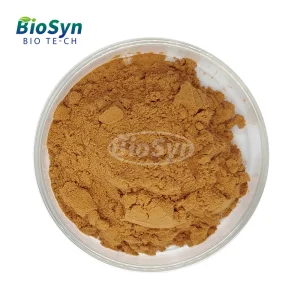
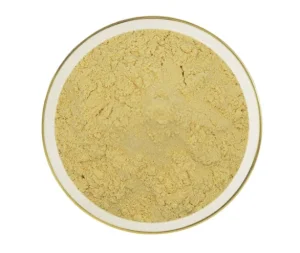
Light yellow to brownish yellow. Color may vary from batch to batch. Color intensity is not an indication of enzyme activity. |
| Odour |
Normal microbial fermentation odour. |
APPLICATION & OPERATING CONDITIONS
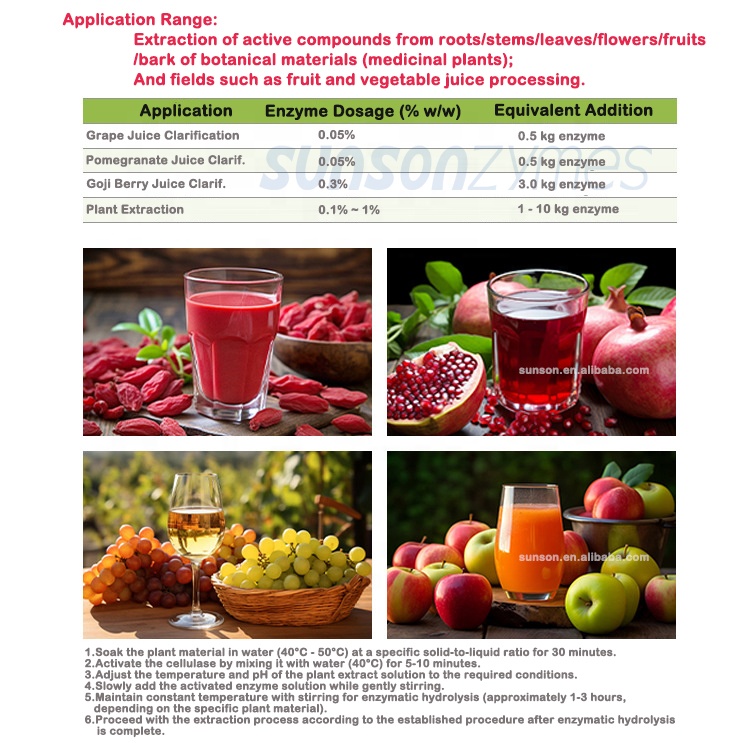
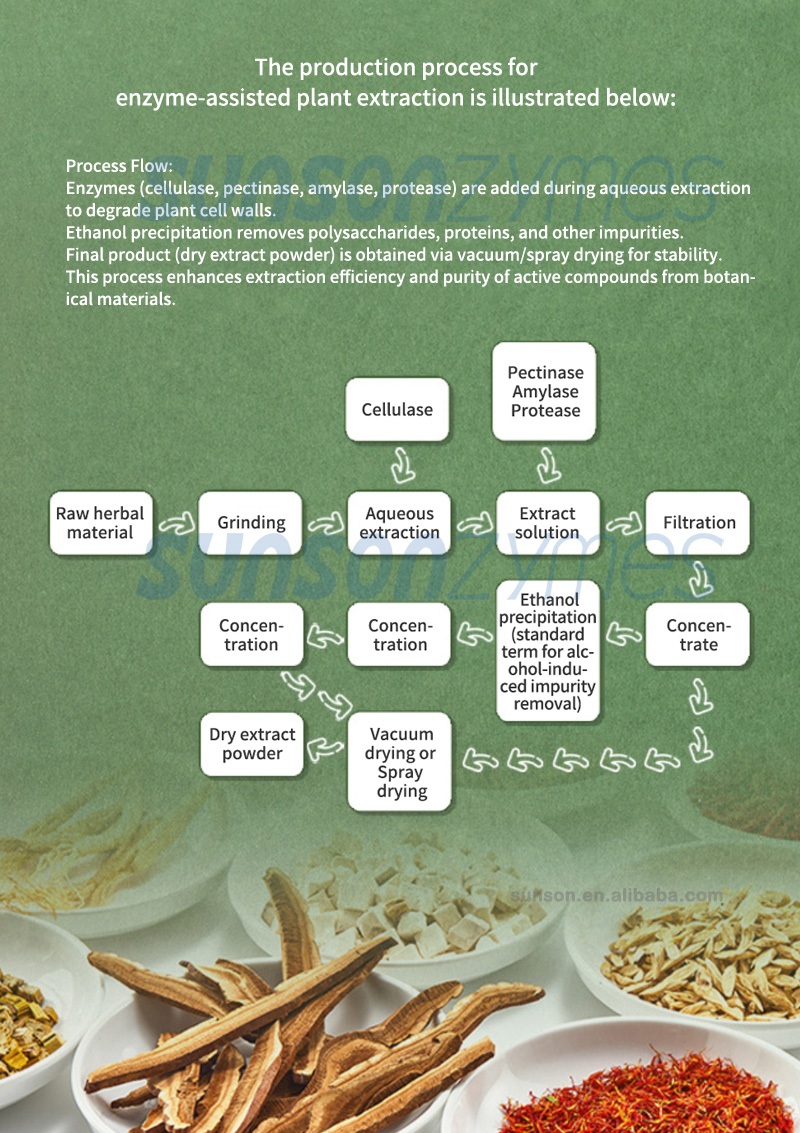
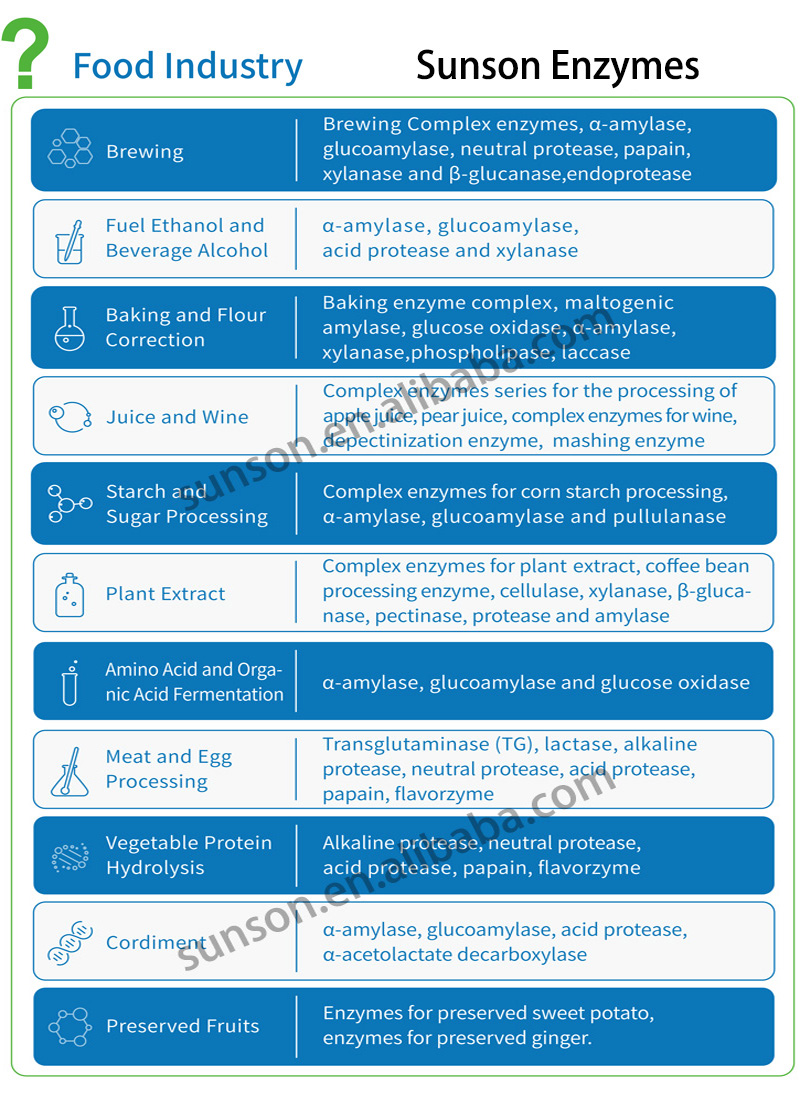
Application Fields: Primarily used for extracting active compounds from the roots, stems, leaves, flowers, fruits, and bark of herb plants; also used in fruit and vegetable juice processing.
Operating Conditions:
- Effective Temperature Range: 40°C - 75°C (104°F - 167°F)
- Effective pH Range: 3.0 - 7.0
- Optimum Temperature Range: 55°C - 65°C (131°F - 149°F)
- Optimum pH Range: 4.0 - 6.0
PRODUCT STANDARD
The product complies with GB1886.174.
| No. |
ITEMS |
INDEX |
| 1 |
Particle size (%<40 mesh) |
≥80 |
| 2 |
Loss on drying/(%) |
≤8.0 |
| 3 |
Lead/(mg/kg) |
≤5.0 |
| 4 |
Arsenic/(mg/kg) |
≤3.0 |
| 5 |
Total viable count/(CFU/g) |
≤50000 |
| 6 |
Coliform Bacteria/(CFU/g) |
≤30 |
| 7 |
Escherichia coli (CFU/g) / (MPN/g) |
<10 / ≤3.0 |
| 8 |
Salmonella/(25g) |
Not Detected |
APPLICATION & DOSAGE
Food, plant extract, etc.: Improves the texture and nutritional value of food, and eases plant extraction and extraction yield of targeted components.
| Application |
Enzyme Dosage |
Dosage per Metric Ton of Raw Material |
| Grape Juice Clarification |
0.05% |
0.5 kg enzyme per ton of raw material |
| Pomegranate Juice Clarification |
0.05% |
0.5 kg enzyme per ton of raw material |
| Goji Berry Juice Clarification |
0.3% |
3 kg enzyme per ton of raw material |
| Botanical Extraction |
0.1–1% |
1–10 kg enzyme per ton of raw material |
Usage Method for Medicinal Materials (for plant extraction):
- Soak medicinal materials in water at 40–50°C for 30 minutes according to the specified solid-to-liquid ratio.
- Activate the cellulase enzyme by mixing with water at 40°C for 5–10 minutes.
- When the temperature and pH of the medicinal material extract reach required conditions, gradually add the enzyme solution while stirring gently.
- Maintain constant temperature while stirring for enzymatic hydrolysis (1–3 hours, depending on the specific medicinal material).
- Proceed with subsequent extraction processes according to standard protocols after enzymatic hydrolysis.
PACKAGE AND STORAGE
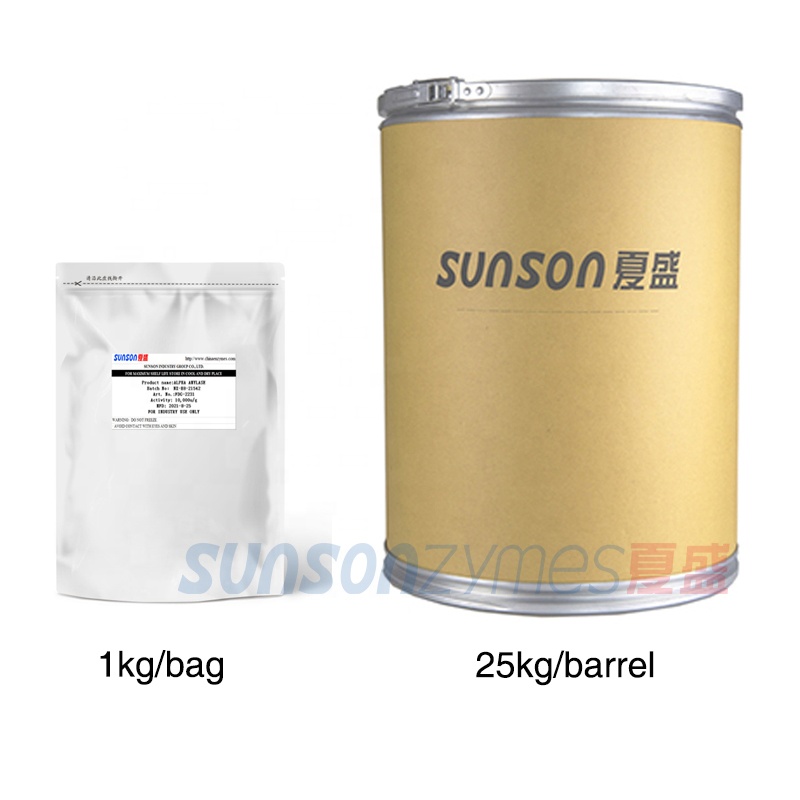
- Package: 25kg/jerry can.
- Storage: Keep sealed in a dry and cool place and avoid direct sunlight.
- Shelf life: 12 months in a dry and cool place.
SAFETY
Enzyme preparations are proteins that may induce sensitization and cause allergic type of symptoms in susceptible individuals. Prolonged contact may cause minor irritation for skin, eyes or nasal mucosa. Any direct contact with human body should be avoided. If irritation or allergic response for skin or eyes develops, please consult a doctor.
OUR SERVICE
- Any inquiries will be replied within 12 hours.
- Dedication to quality, supply & service.
- Strictly on selecting raw materials.
- OEM/ODM Available.
- Reasonable & competitive price, fast lead time.
- Sample is available for your evaluation & Formulation development.
- Faster delivery: Sample order in stock and 3-7 days for bulk production.
- We have strong cooperation with DHL, TNT, UPS, FEDEX, EMS. Or you also can choose your own shipping forwarder.
FREQUENTLY ASKED QUESTIONS (FAQ)
What is the primary function of this Cellulase Enzyme Powder?
It is a high-efficiency cellulase preparation designed to degrade cell wall components and mucilaginous impurities. By disrupting plant cell walls, it exposes and dissolves active ingredients into solvents, improving the yield of nutrient extraction from herbs and plants.
What are the optimum temperature and pH ranges for operation?
The enzyme operates optimally at a temperature range of 55°C - 65°C (131°F - 149°F) and a pH range of 4.0 - 6.0.
What is the recommended dosage for juice clarification and botanical extraction?
The recommended dosages are: Grape and Pomegranate Juice Clarification at 0.05% (0.5 kg per ton), Goji Berry Juice Clarification at 0.3% (3 kg per ton), and Botanical Extraction at 0.1–1% (1–10 kg per ton of raw material).
How should the enzyme powder be stored?
The product should be kept sealed in a dry and cool place, shielded from direct sunlight. Under these storage conditions, it maintains a shelf life of 12 months.
Are there any safety precautions to consider during handling?
Yes. Direct contact with the body should be avoided as enzymes are proteins that can cause sensitization or irritation to the skin, eyes, or nasal mucosa. If an allergic reaction or irritation occurs, consult a physician.
 Rubrum Biologics