High-purity organic extracts and advanced laboratory extraction technologies designed to meet strict international standards.
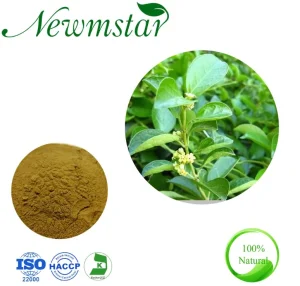
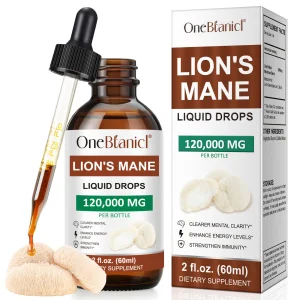
The global food, beverage, and nutraceutical industries are undergoing an unprecedented transition. Driven by escalating consumer awareness of metabolic health, diabetes mitigation, and clean-label manufacturing, traditional high-calorie sugars and synthetic alternatives (such as aspartame and acesulfame potassium) are being systematically replaced. Global regulatory bodies are enforcing stricter sugar taxation laws, which has catalyzed the research and development of natural sweeteners and functional botanical extracts.
Today's formulation engineers look for more than just sweetness. Modern sweeteners must possess a glycemic index of zero, display thermo-stability under pasteurization temperatures, resist acid-hydrolysis in low-pH beverages, and contribute to the product's functional profile. Natural molecules like steviol glycosides (particularly Reb-A and Reb-M), monk fruit extract (mogrosides), and glycyrrhizin are at the forefront of this revolution. When integrated with advanced carrier matrix technologies, these sweeteners perform identically to sucrose while promoting digestive comfort and metabolic neutrality.
Furthermore, the convergence of functional herbal ingredients—such as Gymnema Sylvestre (known for its sugar-blocking properties), medicinal mushrooms (like Lion's Mane and Cordyceps), and anti-aging agents (such as Resveratrol)—with modern base formulations is redefining product development. The focus is no longer just on reducing sugar; it is on actively optimizing the consumer's physiological wellbeing.
For procurement officers and formulation scientists at international enterprises, sourcing botanical extracts and natural sweeteners involves navigating complex technical challenges. A reliable B2B supply chain partner must solve three primary pain points:
Ensuring consistent concentrations of target bioactive components, such as Eurycomanone in Tongkat Ali or Mogrosides in Monk Fruit. Companies must utilize validated HPLC-MS testing to guarantee batch-to-batch consistency and verify that active ingredients match specification requirements.
Many plant extracts present undesirable bitter notes, metallic aftertastes, or poor solubility in liquid systems. Advanced refining technologies, enzymatic modification, and micro-encapsulation are essential to ensure natural sweeteners dissolve clear and taste clean.
Compliance with European Union regulations and US FDA guidelines is non-negotiable. Sourcing partners must guarantee zero contamination from heavy metals, chemical solvent residues, PAHs, and pesticide traces. In addition, processing machinery must carry CE Certification to confirm production line safety.
Addressing these critical requirements demands a partner that merges scientific precision with state-of-the-art manufacturing infrastructure. This is where dedicated botanical research firms provide significant value to the global supply chain.
Shenzhen Rubrum Biologics Co., Ltd. is a leading China herbal extract manufacturer specializing in the research, development, production, and supply of high-quality natural plant extract ingredients for the food, supplement, and cosmetic industries. With a strong focus on innovation, quality assurance, and sustainable sourcing, the company serves customers worldwide with reliable botanical ingredient solutions.
Leveraging advanced extraction technologies and modern manufacturing facilities, Shenzhen Rubrum Biologics offers a comprehensive portfolio of herbal extracts, botanical powders, natural active ingredients, and customized plant-based formulations. Its products are widely used in dietary supplements, functional foods, beverages, nutraceuticals, personal care products, cosmetics, and wellness applications.
The company is committed to maintaining the highest standards throughout the entire production process, from raw material selection to final product delivery. By implementing rigorous quality control procedures and advanced analytical testing methods, Shenzhen Rubrum Biologics ensures product consistency, purity, and safety in accordance with international quality requirements.
Driven by a dedicated research and development team, the company continuously explores innovative extraction technologies and new botanical applications to meet the evolving needs of global markets. Customized solutions are available to help customers optimize product performance, enhance formulation efficiency, and accelerate product development.
With a customer-oriented philosophy, competitive manufacturing capabilities, and a stable global supply network, Shenzhen Rubrum Biologics Co., Ltd. has established long-term partnerships with manufacturers, distributors, and brand owners across numerous countries. The company remains committed to delivering premium natural plant extract ingredients that support healthier lifestyles and sustainable industry development worldwide.
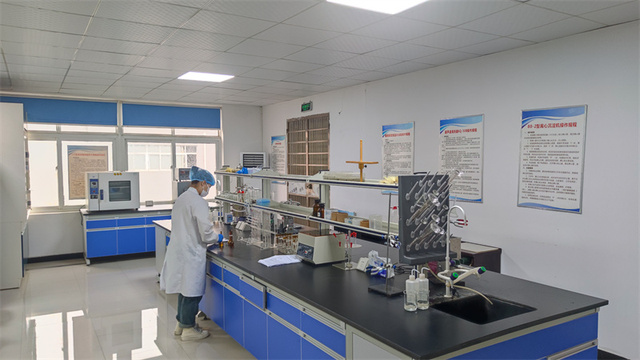
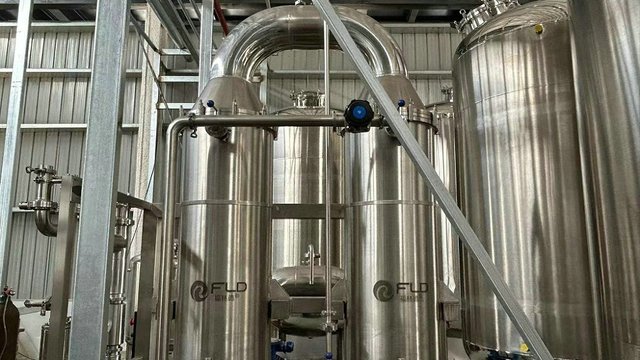
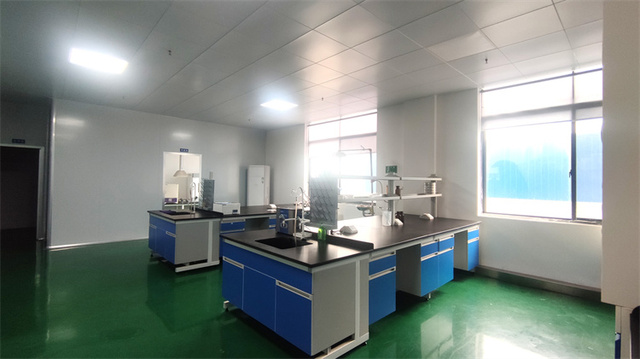


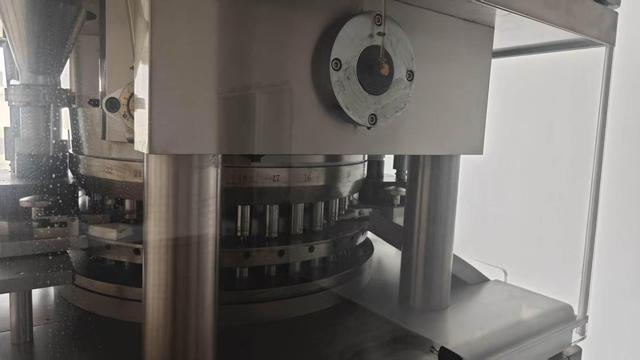
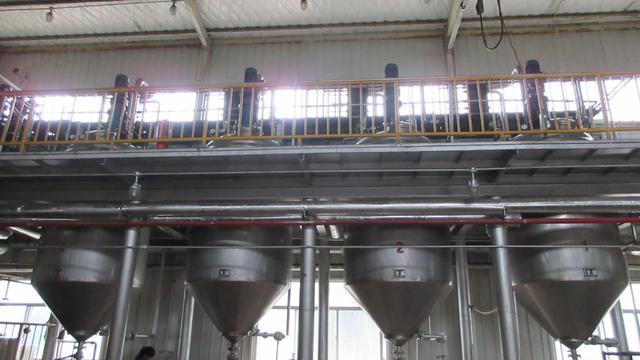
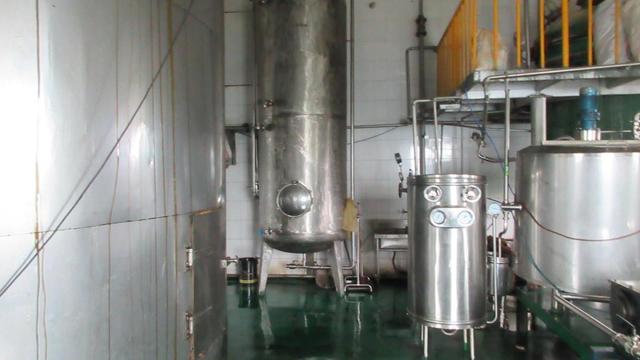
Modern functional foods and supplements are complex systems. Delivering single-ingredient solutions is no longer sufficient to meet B2B requirements. Leading global brands need integrated ingredient systems where natural sweeteners and active botanical compounds work in synergy. This approach helps lower production costs, simplifies manufacturing, and improves overall efficacy.
Combining highly standardized Gymnema Sylvestre extract (which inhibits intestinal sweetness receptors and supports healthy glycemic responses) with natural herbal sweeteners delivers a dual-action benefit. This formulation effectively cuts empty calories while helping maintain balanced blood glucose levels. Integrating these with micro-filtered, highly soluble carriers allows manufacturers to produce RTD (Ready-To-Drink) functional teas and functional waters that remain stable across varied temperatures and display excellent clarity.
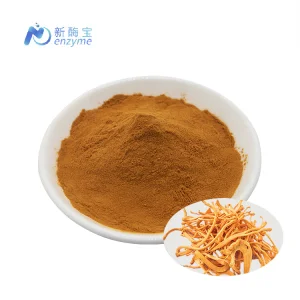
The demand for active mushroom extracts, such as Organic Lion’s Mane and Cordyceps Militaris, is rising rapidly in the brain-health and physical-endurance sectors. However, their natural earthiness can sometimes present flavor challenges. To resolve this, formulators pair these functional mushroom matrices with natural taste-masking agents. Utilizing low-glycemic, natural sweetening compounds masks bitterness without altering the product's glycemic profile, delivering clean-label powders and liquid drops with improved flavor profiles.
Botanical active ingredients such as Resveratrol and Lichen Usnea Extract are highly valued in the personal care and cosmetic sectors for their antioxidant and antimicrobial properties. When formulating oral-care products, natural toothpastes, or cosmetic creams, replacing synthetic preservatives and sweeteners with clean-label plant alternatives is essential. Sourcing natural active ingredients from factories with strict quality controls ensures that final products comply with international safety standards, making them highly suitable for clean-label, premium markets.
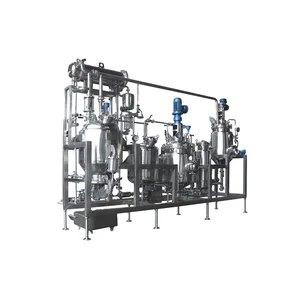
Navigating global regulatory frameworks is a critical step in bringing new products to market. For European Union and global importers, verifying that extraction machinery and manufacturing facilities comply with European safety directives is vital. Processing machinery used in natural sweetener and plant extract production must carry CE Certification. This verifies that the machinery meets high safety, health, and environmental standards during high-pressure liquid extraction and solvent recovery processes.
Additionally, production facilities must adhere to strict GMP, ISO, and Organic certification frameworks. This ensures that every step of the manufacturing process is fully documented and traceable. By utilizing raw materials sourced from certified factories, brands can confidently confirm that their products meet international pesticide residue regulations, heavy metal limits, and microbiological standards. This high level of compliance simplifies customs clearance and speeds up the time-to-market for new formulations.
The natural extraction industry continues to evolve as new technologies emerge. Future advancements will focus on improving active ingredient yields, lowering carbon footprints, and refining organoleptic profiles. Key technological focus areas include:
By investing in these advanced processes and maintaining rigorous quality systems, forward-looking manufacturers continue to supply high-purity natural sweeteners and active botanical ingredients that meet the needs of the global health and wellness industries.
Answers to technical, regulatory, and logistics questions from global B2B procurement professionals.
Discover our comprehensive range of herbal active ingredients and plant extracts designed for the nutrition, cosmetic, and wellness sectors.

 Rubrum Biologics