Explore our foundational plant extracts engineered for microbial stability, antioxidant strength, and clean-label shelf-life extension.
In the contemporary food processing industry, a profound revolution is taking place at the intersection of consumer behavior and regulatory action. The era of unchecked usage of synthetic chemical preservatives—such as synthetic Butylated Hydroxyanisole (BHA), Butylated Hydroxytoluene (BHT), Propyl Gallate, and Sodium Benzoate—is rapidly drawing to a close. Global consumer cohorts, empowered by rapid information access and a heighten awareness of preventative health, are actively demanding the elimination of these artificial additives from their dietary intake. This movement, commonly referred to as the "Clean Label Initiative," has transitioned from a niche marketing trend into an absolute commercial mandate.
From a macro-industrial standpoint, synthetic preservatives have historically been favored due to their exceptionally low production costs and predictable chemical stability. However, toxicological research linking some synthetic agents to metabolic disruption, cellular oxidative stress, and allergenicity has forced regulatory bodies like the FDA and the EFSA (European Food Safety Authority) to continually re-evaluate and restrict acceptable daily intakes (ADIs). This shifting legal landscape introduces severe supply-chain risks for multinational brands reliant on traditional preservation systems.
“Clean labels are no longer just an aesthetic choice; they are a structural imperative. Forward-looking food conglomerates are completely restructuring their formulations to replace chemical codes with recognizable, natural plant-derived alternatives.”
The core challenge for food brands lies in achieving equivalent antimicrobial and antioxidant efficacy without altering the organoleptic qualities (taste, color, texture, and aroma) of their products. Natural food preservatives, primarily derived from functional botanical extracts, offer a complex matrix of active biomolecules. These compounds do not merely inhibit spoilage; they also contribute physiological benefits, including antioxidant activity, alignment with organic certifications, and a favorable consumer perception on the ingredient panel. Our mission at Shenzhen Rubrum Biologics is to bridge this gap, ensuring that clean labels do not compromise product integrity or commercial shelf life.
How botanical active molecules target food spoilage at the cellular level.
Compounds such as epigallocatechin gallate (EGCG) from green tea interrupt the radical chain reactions that cause lipid oxidation in high-fat foods. They preserve structural color and prevent rancidity.
Terpenoids, flavonoids, and quinones derived from plants like rosemary, hops, and ginkgo disrupt bacterial cell membranes, causing intracellular leakage and preventing pathogenic proliferation.
Natural organic acids act by acidifying the cytoplasm of microorganisms, rendering them incapable of maintaining osmotic balance. This action prevents the growth of yeasts, molds, and standard food-borne bacteria.
While the demand for natural food preservatives is growing rapidly, the industrial transition presents major technical challenges. Unlike standardized synthetic chemicals, raw plant extracts are naturally subject to variations based on seasonal weather patterns, harvest times, and geographical differences. This natural variability can lead to inconsistent concentrations of active components, presenting a challenge for food manufacturers who require precise, reproducible batch outcomes.
Furthermore, many highly effective botanical antimicrobials and antioxidants possess intense organoleptic properties. For example, concentrated extracts of hops, rosemary, or garlic can impart strong flavors, bitterness, or color to mild food systems like dairy products, beverages, or clear emulsions. Introducing these raw extracts without advanced formulation engineering can compromise the sensory quality of the final food product.
| Active Compounds | Primary Botanical Source | Preservation Target | Sensory Impact & Resolution |
|---|---|---|---|
| Tea Polyphenols & EGCG | Green Tea (Camellia sinensis) | Highly effective against lipid oxidation in fats and oils. | Astringency and slight bitterness; resolved through micro-encapsulation. |
| Beta-Acids & Lupulones | Hops (Humulus lupulus) | Gram-positive bacteria, anaerobic pathogens (Clostridium). | Strong herbal aroma; resolved by structural molecule refinement and lower dosage synergy. |
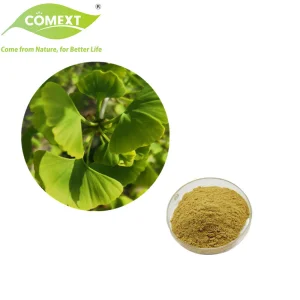
| Ginkgolic Compounds | Ginkgo Biloba Leaf | Fungal growth, molds, yeast stabilization. | Yellow tint; resolved by multi-stage membrane filtration to remove chlorophyll. |
| Ginsenosides | Panax Ginseng Root | Systemic oxidation, functional synergy. | Earthy flavor notes; resolved using carrier-complex optimization. |
To overcome these challenges, Shenzhen Rubrum Biologics applies advanced extraction and standardization processes. By utilizing technologies like supercritical CO2 extraction, membrane separation, and column chromatography, we isolate targeted bioactive fractions while removing undesirable colors and aromas. This ensures that our OEM natural preservatives deliver consistent, high-performance protection without altering the appearance or flavor of the food.
A leading China herbal extract manufacturer specializing in the research, development, production, and supply of high-quality natural plant extract ingredients.
Shenzhen Rubrum Biologics Co., Ltd. is a leading China herbal extract manufacturer specializing in the research, development, production, and supply of high-quality natural plant extract ingredients for the food, supplement, and cosmetic industries. With a strong focus on innovation, quality assurance, and sustainable sourcing, the company serves customers worldwide with reliable botanical ingredient solutions.
Leveraging advanced extraction technologies and modern manufacturing facilities, Shenzhen Rubrum Biologics offers a comprehensive portfolio of herbal extracts, botanical powders, natural active ingredients, and customized plant-based formulations. Its products are widely used in dietary supplements, functional foods, beverages, nutraceuticals, personal care products, cosmetics, and wellness applications.
The company is committed to maintaining the highest standards throughout the entire production process, from raw material selection to final product delivery. By implementing rigorous quality control procedures and advanced analytical testing methods, Shenzhen Rubrum Biologics ensures product consistency, purity, and safety in accordance with international quality requirements.
Driven by a dedicated research and development team, the company continuously explores innovative extraction technologies and new botanical applications to meet the evolving needs of global markets. Customized solutions are available to help customers optimize product performance, enhance formulation efficiency, and accelerate product development.
With a customer-oriented philosophy, competitive manufacturing capabilities, and a stable global supply network, Shenzhen Rubrum Biologics Co., Ltd. has established long-term partnerships with manufacturers, distributors, and brand owners across numerous countries. The company remains committed to delivering premium natural plant extract ingredients that support healthier lifestyles and sustainable industry development worldwide.
Navigating the global regulatory landscape is one of the most critical challenges when deploying natural food preservation systems. Different jurisdictions maintain distinct regulatory frameworks for food ingredients, botanical extracts, and additives. For instance, an ingredient classified as a "dietary supplement component" in the United States may be treated as a "novel food" or require specific registration under EFSA regulations in the European Union.
At Shenzhen Rubrum Biologics, we recognize that regulatory compliance is non-negotiable for international food brands. Our technical support team works closely with global regulatory standards to ensure our ingredients meet necessary specifications. We provide complete documentation support, including:
By providing localized regulatory support and customizable formulation adjustments, we help clients streamline the approval process, minimize compliance risks, and accelerate their product launches in diverse markets.
Different food categories present distinct microbial risks and chemical degradation pathways. Our natural preservatives are tailored to address these specific challenges across key food sectors:
These matrices are highly vulnerable to lipid oxidation and aerobic microbial growth. Our high-polyphenol formulations, incorporating EGCG green tea extracts and standardized plant active ingredients, effectively delay the formation of thiobarbituric acid reactive substances (TBARS). This preserves the bright natural red color of fresh meat and prevents rancidity in processed foods.
Mold and yeast growth are the primary limitations on the shelf life of bakery products. Our organic-acid complexes, derived from natural plant sources, provide effective protection against fungal spoilage. This helps clean-label bread and pastry manufacturers extend shelf life without relying on synthetic calcium propionate.
Dairy products are highly sensitive to rancidity and sensory alterations. We utilize micro-encapsulated natural preservation blends that remain stable at neutral pH levels, preventing early lipid degradation and preserving a fresh, clean flavor profile.
Liquid systems require excellent water solubility and thermal stability. Our water-soluble botanical extracts are designed to remain clear in solution and withstand pasteurization and UHT processing without losing their preservative properties.
The field of natural food preservation is evolving rapidly, driven by advanced extraction and formulation technologies. Shenzhen Rubrum Biologics is committed to staying at the forefront of these developments. Our R&D roadmap focuses on several key areas:
By investing in these advanced technologies, we aim to provide next-generation natural preservation solutions that meet the highest standards of safety, efficacy, and clean-label compliance.
Answers to common technical, regulatory, and application questions from food scientists and product developers.
High-purity botanical raw materials and functional ingredients manufactured under strict quality standards.
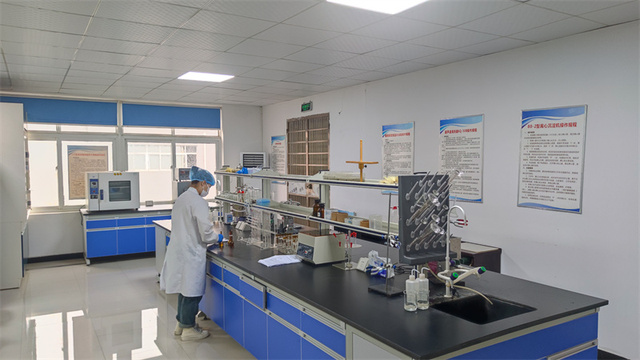
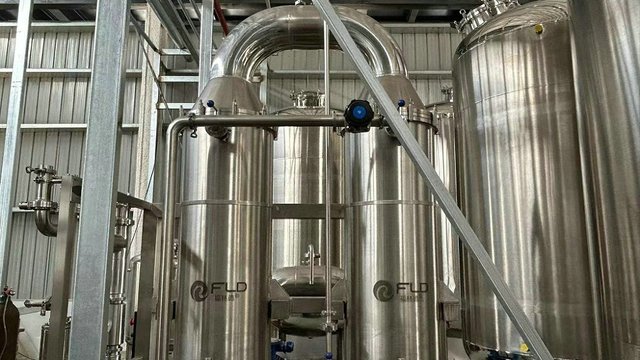
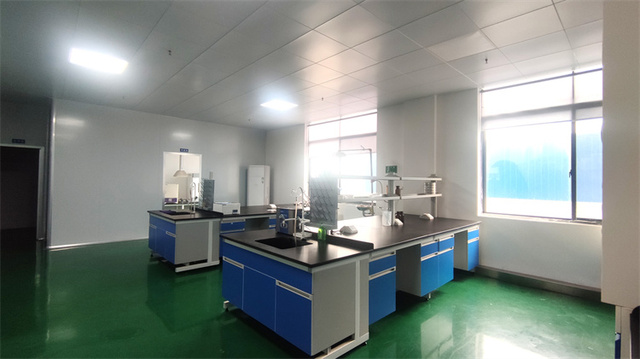
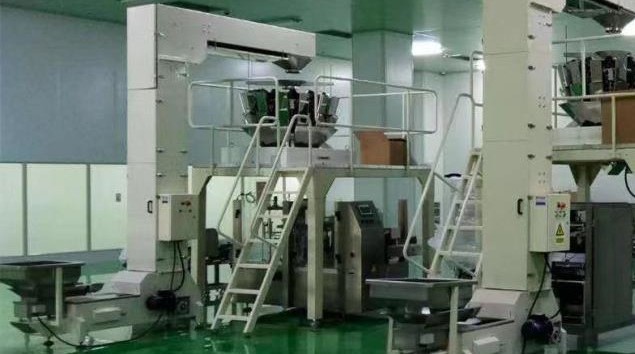
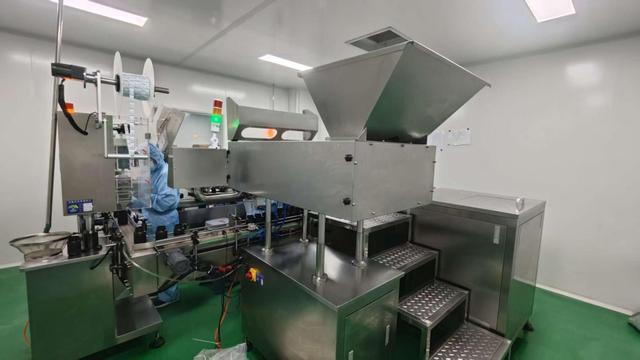
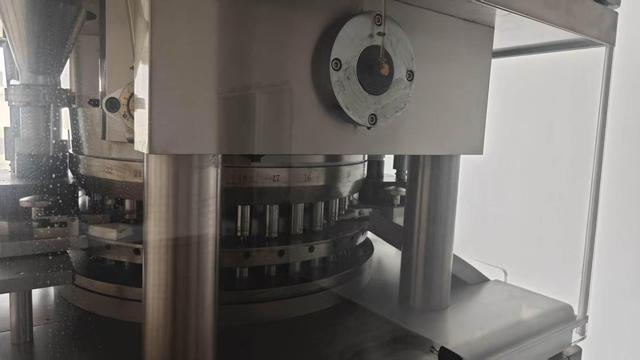
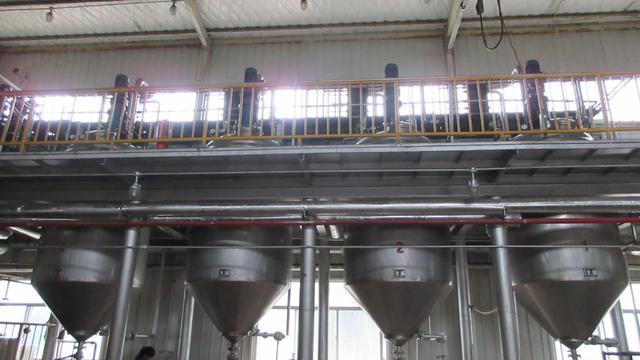
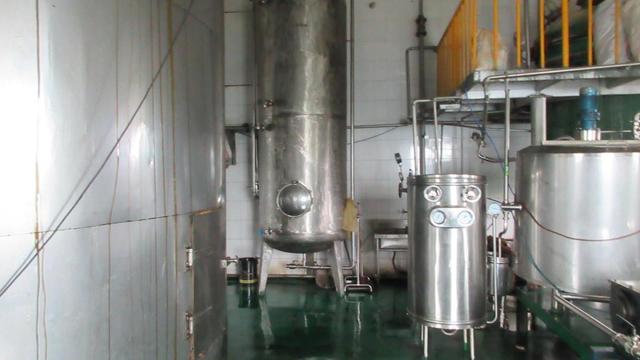
Inside our production facilities: Where science meets natural raw materials under strict quality control.
 Rubrum Biologics