Industrial-grade extracts compliant with global standards (USP/EP/JP)
Analyzing key market dynamics, industrial valuation, and vertical integration parameters.
The global demand for botanical extracts and high-purity root essences has witnessed exponential growth over the past decade. Traditionally localized in small-scale herbal wellness systems, root essences now represent a critical feedstock category for multi-billion-dollar pharmaceutical, functional food, and cosmetic formulations. As major consumer markets pivot toward clean-label alternatives and green chemistry, manufacturers are pressured to secure reliable, highly standardized supplies.
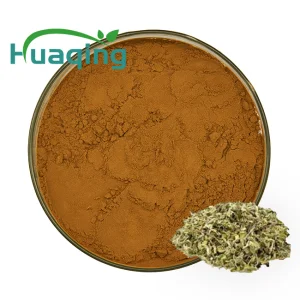
Industrial suppliers leverage diverse botanical sources ranging from traditional herbal panaceas like *Panax Ginseng* and *Zingiber Officinale* to specialized ingredients like Damiana Leaf Extract and standardized mushrooms. In this context, locating a high-quality supplier is not simply a matter of procuring raw agricultural goods; it requires identifying vertically integrated manufacturing partners who possess full control over the supply chain—from seed cultivation genetics through to raw materials validation, high-efficiency molecular isolation, and GMP packaging.
Translating pure raw extracts into high-efficiency industrial applications.
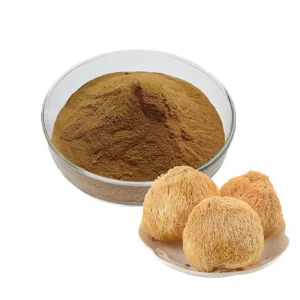
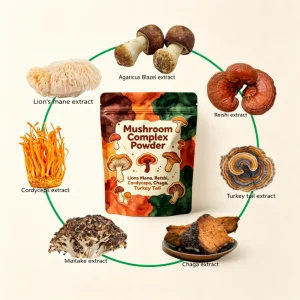
Enabling direct compression, capsule formulations, and liquid dose adaptations. Products like Standardized Oyster Mushroom Extract and 10 in 1 Mushroom Complex Powder are optimized for systemic immune-metabolic health support, delivering standardized beta-glucan content.
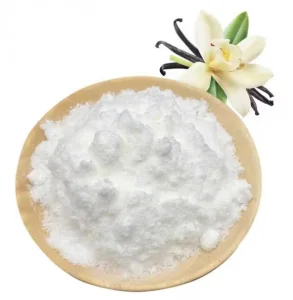
Water-soluble powders, such as Bulk Pure Water Soluble Superfood Powder and Wholesale Food Grade Vanilla Extract Powder, allow formulation engineers to achieve pristine taste profiles without compromising organoleptic stability or bioactive efficacy.
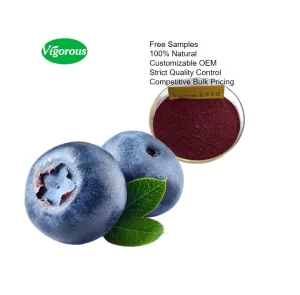
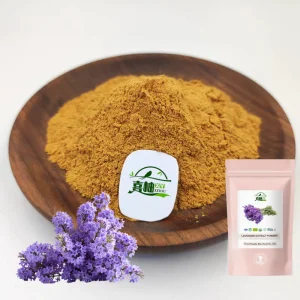
Extracts with high antioxidant profiles, such as Antioxidant 25% Anthocyanins Bilberry Fruit Extract Powder and Organic Lavender Flower Extract Powder, protect skin layers from environmental degradation while reinforcing natural moisture barrier matrices.
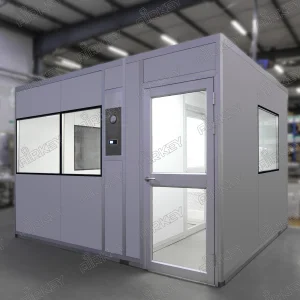
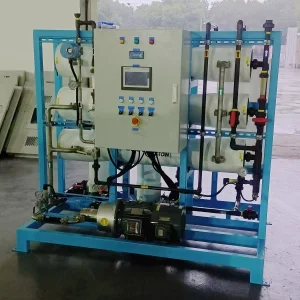
Beyond botanical solutions, modern extraction facilities sometimes partner with industrial engineering projects. A key example is integrating containerized RO systems (like the Seawater Desalination Plant 5000LPH-100000LPD) to supply premium processed water for large-scale extraction boilers, ensuring that no mineral contaminants or heavy metals degrade the active chemical matrices of delicate plants.
How top-tier suppliers maximize bioavailability and maintain molecule stability.
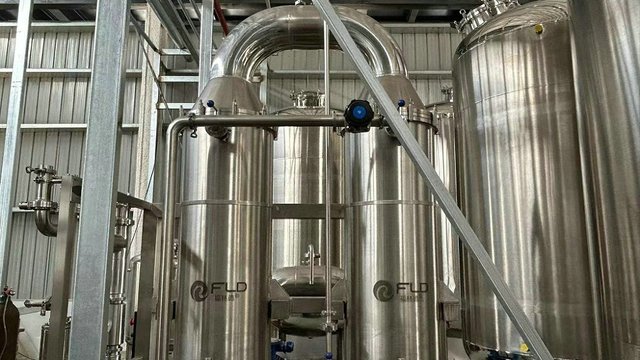
Achieving therapeutic-grade purity in root and botanical extracts is highly technical. Traditional suppliers rely heavily on basic ethanol or warm-water maceration. However, top-tier factories utilize next-generation separation technologies to preserve active molecules:
Operating at precise temperature and pressure thresholds, supercritical carbon dioxide behaves as a fluid with gas-like diffusion properties and liquid-like density. This solvent-free methodology is ideal for capturing delicate lipophilic components, volatile essential oils, and dense root fractions without thermal damage.
Enzymatic pretreatments break down the rigid lignocellulose cell walls characteristic of roots. Combined with high-frequency ultrasonic waves, this process triggers acoustic cavitation, enabling rapid solvent penetration and maximizing recovery rates of complex compounds like polysaccharides and alkaloids.
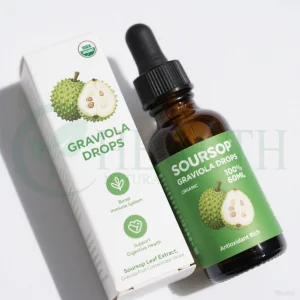
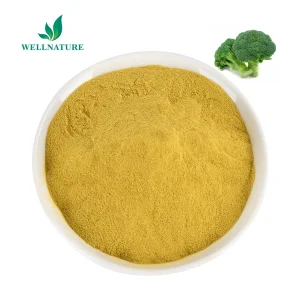
Whether producing high-demand active compounds like Sulforaphane Glucosinolate from broccoli seeds or capturing pure alkaloids from Soursop Leaf Extract Liquid, advanced chromatography instruments (such as HPLC-DAD, GC-MS, and LC-MS/MS) are continuously utilized to monitor compound fingerprinting. This ensures batch-to-batch consistency and safeguards against contamination from adulterants, solvent residues, and heavy metals.
A benchmark manufacturer demonstrating quality, innovation, and global compliance.
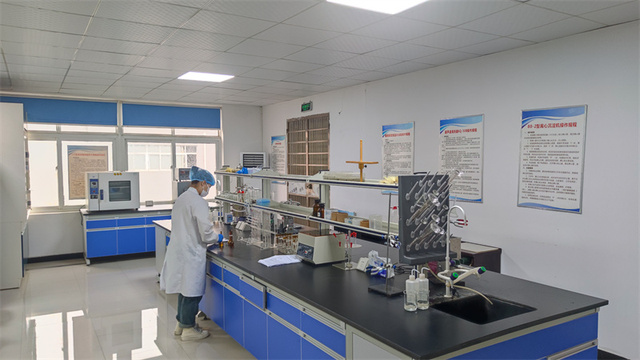
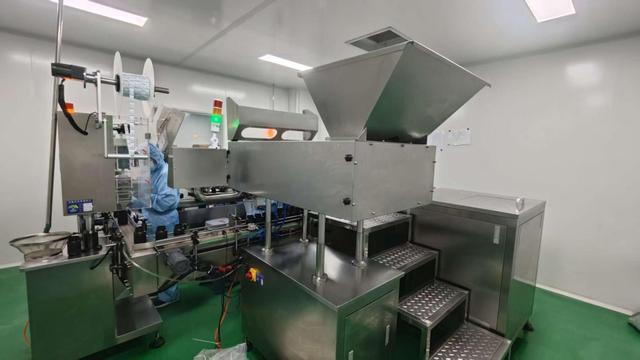
Shenzhen Rubrum Biologics Co., Ltd. is a leading China herbal extract manufacturer specializing in the research, development, production, and supply of high-quality natural plant extract ingredients for the food, supplement, and cosmetic industries. With a strong focus on innovation, quality assurance, and sustainable sourcing, the company serves customers worldwide with reliable botanical ingredient solutions.
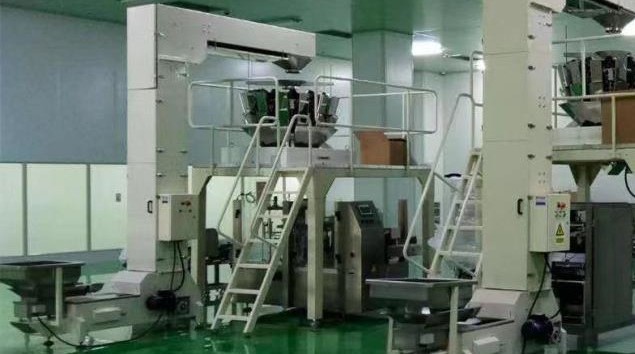
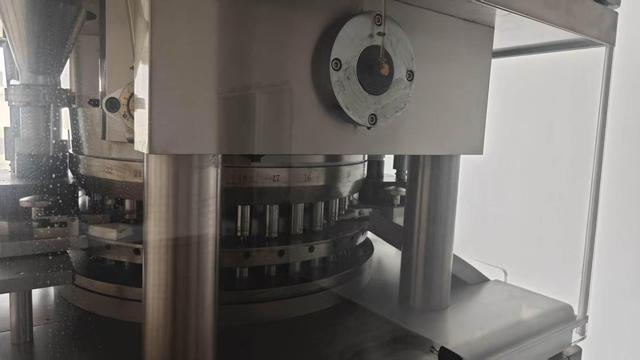
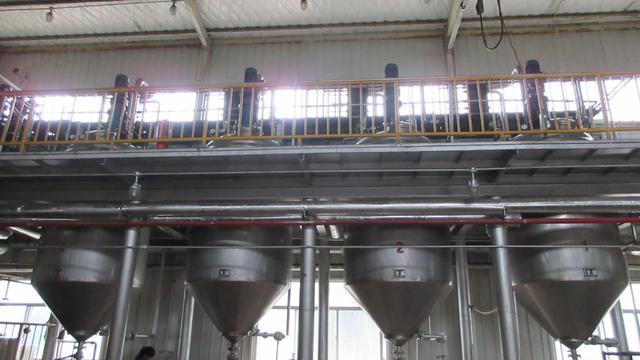
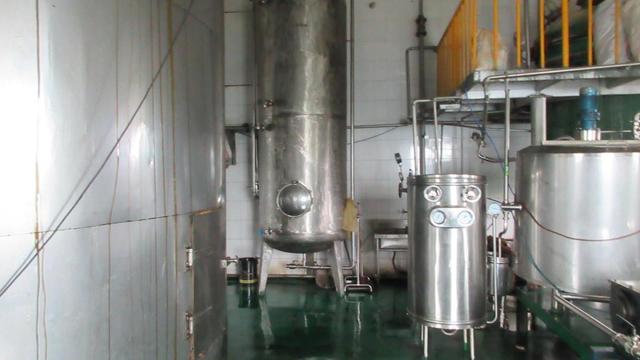
Leveraging advanced extraction technologies and modern manufacturing facilities, Shenzhen Rubrum Biologics offers a comprehensive portfolio of herbal extracts, botanical powders, natural active ingredients, and customized plant-based formulations. Its products are widely used in dietary supplements, functional foods, beverages, nutraceuticals, personal care products, cosmetics, and wellness applications.
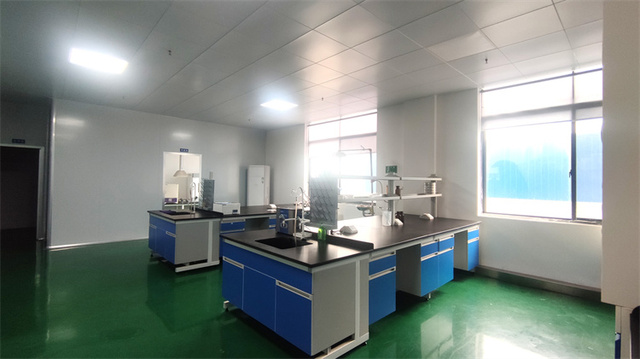
The company is committed to maintaining the highest standards throughout the entire production process, from raw material selection to final product delivery. By implementing rigorous quality control procedures and advanced analytical testing methods, Shenzhen Rubrum Biologics ensures product consistency, purity, and safety in accordance with international quality requirements.
Driven by a dedicated research and development team, the company continuously explores innovative extraction technologies and new botanical applications to meet the evolving needs of global markets. Customized solutions are available to help customers optimize product performance, enhance formulation efficiency, and accelerate product development.
With a customer-oriented philosophy, competitive manufacturing capabilities, and a stable global supply network, Shenzhen Rubrum Biologics Co., Ltd. has established long-term partnerships with manufacturers, distributors, and brand owners across numerous countries. The company remains committed to delivering premium natural plant extract ingredients that support healthier lifestyles and sustainable industry development worldwide.
Navigating FDA, EFSA, GMP, and regional organic verification protocols.
Entering strict regional consumer markets (such as the EU, United States, Japan, and Korea) requires rigorous adherence to local regulations. Leading extract manufacturers maintain extensive certification databases to streamline their clients' customs clearance and final product registrations. Key certifications include:
Guarantees that all extraction, concentration, and drying procedures occur in controlled hygienic environments, eliminating risks of cross-contamination.
Validates that botanical crops are grown without synthetic pesticides, chemical fertilizers, or genetically modified organisms (Non-GMO assurance).
Expands consumer accessibility across multi-ethnic markets by ensuring strict compliance with dietary laws during all processing stages.
Additionally, top-tier factories offer extensive regulatory support documents, including Certificates of Analysis (COAs), Heavy Metal Limits sheets, Pesticide Residue Reports, and Allergen Statements. This comprehensive documentation reduces verification cycles, helping brands launch new products ahead of market competitors.
The convergence of artificial intelligence, green chemistry, and molecular optimization.
Implementing AI forecasting algorithms to track global crop yields, soil conditions, and optimal harvest timelines, ensuring complete stability in botanical raw material supply chains.
Deploying targeted membrane separation to isolate individual monomer compounds, boosting therapeutic efficacy while removing inactive plant components.
Integrating closed-loop water systems and converting post-extraction solid wastes into organic fertilizers, aiming for carbon-neutral factory operations.
Answering vital technical and logistical questions for procurement professionals.
High-potency options for pharmaceutical and cosmeceutical developers
 Rubrum Biologics