Unlocking high-latitude macroalgal potency through advanced industrial extraction and global B2B supply chains.
Norway's unique marine geography, characterized by extensive, cold-water coastlines and deep fjords, hosts some of the world's most robust marine flora ecosystems. These high-latitude conditions subject marine plants—ranging from microalgae species like Nannochloropsis salina to giant macroalgae like Ascophyllum nodosum (Norwegian Kelp)—to extreme physiological stressors. As a result, these plants synthesize highly concentrated levels of bioactive molecules, including complex sulfated polysaccharides (fucoidans), phlorotannins, polyphenols, and essential omega-3 fatty acids (DHA/EPA).
Direct access to our featured pharmaceutical, food-grade, and industrial-grade marine plant extracts.
A deep dive into regional production, sustainable harvesting regulations, and market drivers.
The industrial utilization of marine resources in Norway has transitioned from traditional wild kelp harvesting to highly controlled bio-refineries. The cold coastal waters along the Norwegian Sea, coupled with constant currents, produce high-yield crops of brown seaweeds, especially Ascophyllum nodosum and Laminaria hyperborea. Norway’s regulatory framework, managed by the Directorate of Fisheries and the Institute of Marine Research, guarantees strict harvesting cycles (typically 4-to-5-year rotation schemes) to preserve ecological baselines and biodiversity.
However, despite Norway's domestic abundance of raw kelp, local processing factories frequently run into capacity constraints. This bottleneck opens crucial opportunities for global exporters like Shenzhen Rubrum Biologics Co., Ltd., capable of handling large-scale refining, extraction, and standardization of botanical compounds. The Norwegian market exhibits a dual dynamic: it is both a major producer of raw marine biomass and a high-volume importer of purified marine extracts, active pharmaceutical ingredients (APIs), cosmetic-grade polyphenols, and feed additives for its multi-billion-dollar aquaculture sector.
Meeting the strict chemical, microbiological, and logistical requirements of global sourcing managers.
B2B buyers sourcing marine extracts for distribution in Norway and Europe prioritize raw materials with clear traceability and reproducible bioactive profiles. Many traditional suppliers fail to deliver consistent chemical structures because wild-harvested seaweeds fluctuate in compound density throughout the seasons. The transition to premium microalgae culturing and standardized extraction processes has resolved this variation.
A critical challenge for sourcing agents is managing heavy metal contamination. Seaweeds naturally bioaccumulate trace minerals, meaning raw extracts can contain elevated levels of inorganic arsenic, cadmium, and lead. Leading global exporters must use advanced purification technologies—such as ion-exchange chromatography and membrane filtration—to keep heavy metals safely below the thresholds established by the European Food Safety Authority (EFSA) and the Norwegian Food Safety Authority (Mattilsynet).
| Product / Compound Class | Target Bioactive Marker | Limit / Specification | Testing Methodology |
|---|---|---|---|
| DHA Algal Oil Powder | Docosahexaenoic Acid (DHA) | Min. 60.0% (dry basis) | Gas Chromatography (GC-FID) |
| Marine Alginate / Kelp Extract | Alginic Acid / Fucoidan | 45% to 65% content | HPLC-MS / Gravimetric |
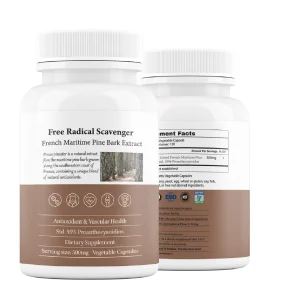
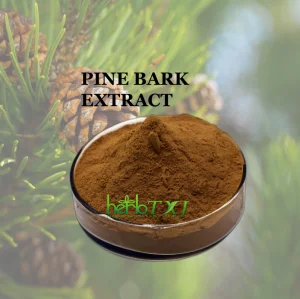
| French Maritime Pine Bark Extract | Proanthocyanidins | Min. 95% Purity | UV-Vis Spectroscopy |
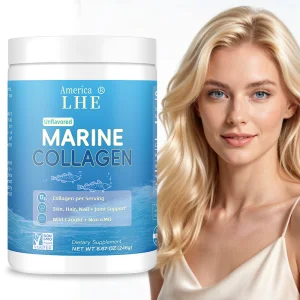
| Marine Collagen Peptides | Glycine, Proline, Hydroxyproline | Protein content > 90% | Amino Acid Analysis / Dumas |
The technological pathways advancing the yield, stability, and bio-accessibility of marine plant active compounds.
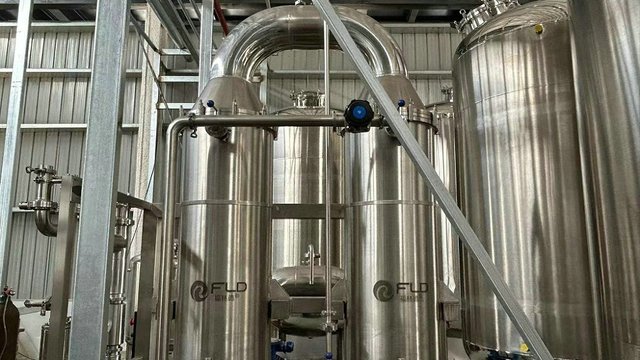
Traditional hot-water chemical extractions often degrade sensitive marine proteins and complex polysaccharides. Shenzhen Rubrum Biologics employs target-specific endo-proteases and cellulases to break down tough microalgae cell walls at low temperatures, ensuring maximum recovery of intact marine bio-actives.
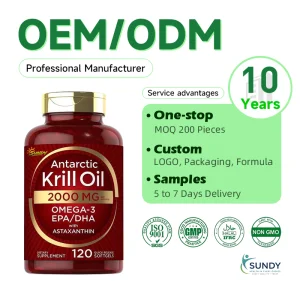
For high-value lipid-soluble molecules, including Astaxanthin, Marine microalgae oil (DHA), and polyphenols, supercritical CO2 extraction is used. This process eliminates the need for harmful chemical solvents, providing a residue-free, green-label ingredient suitable for the health-conscious Scandinavian market.
Marine oils like DHA are prone to rapid oxidation when exposed to air and light. Through advanced micro-encapsulation, liquid algal lipids are coated in a protective biopolymer matrix, transforming them into free-flowing, shelf-stable powders with zero fishy odor—perfect for Norwegian dietary supplements.
How standardized botanical and marine ingredients resolve commercial challenges across three key pillars.
In intensive salmon farming, physical stressors leave fish vulnerable to viral and bacterial pathogens. Incorporating high-purity seaweed extracts rich in beta-glucans and sulfated polysaccharides into their feed triggers an innate immune response in fish. This significantly lowers mortality rates without relying on antibiotics. Additionally, incorporating organic marine microalgae oils containing 60% DHA supports natural muscle development, ensuring farmed salmon maintain their signature high omega-3 fatty acid profiles.
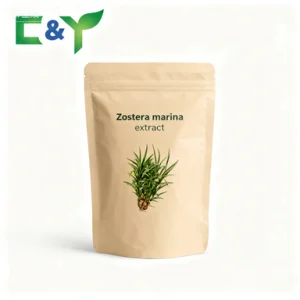
The Nordic beauty market emphasizes clean-label, bio-compatible, and science-backed formulations. Marine plant extracts like Zostera marina and seaweed-derived polyphenols exhibit powerful natural anti-hyaluronidase and anti-collagenase activities. This protects skin firmness, reduces redness from wind burn, and provides deep cellular hydration suitable for cold-climate skincare lines.
Short growing seasons in Norway demand rapid root establishment and efficient nutrient uptake. Quick-release marine algae fertilizers supply essential trace elements, amino acids, and natural growth regulators (auxins, cytokinins, and gibberellins). Applying these organic biostimulants improves plant cell wall strength, helps crops tolerate frost, and revitalizes soil microbiomes.
Global manufacturing capabilities backed by strict quality assurance systems and customized OEM/ODM services.
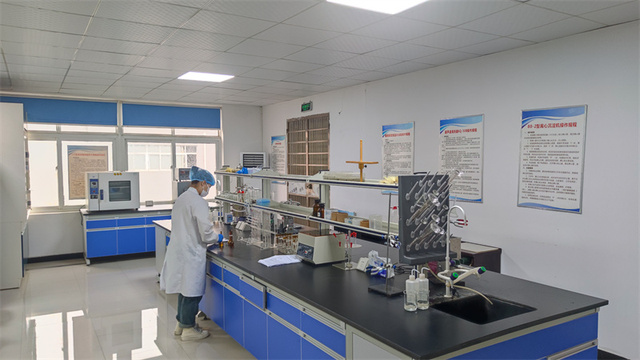
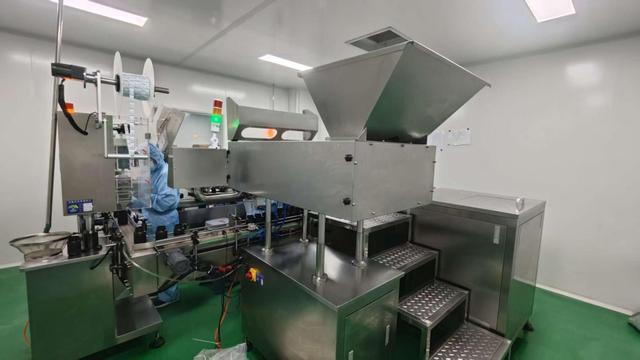
Shenzhen Rubrum Biologics Co., Ltd. is a leading China herbal extract manufacturer specializing in the research, development, production, and supply of high-quality natural plant extract ingredients for the food, supplement, and cosmetic industries. With a strong focus on innovation, quality assurance, and sustainable sourcing, the company serves customers worldwide with reliable botanical ingredient solutions.
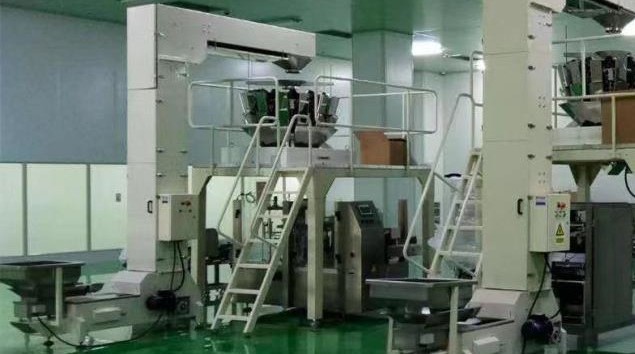
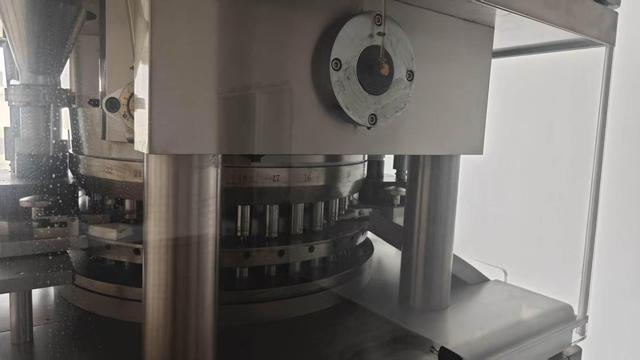
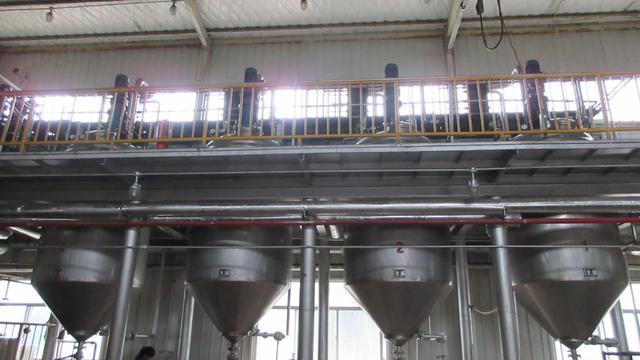
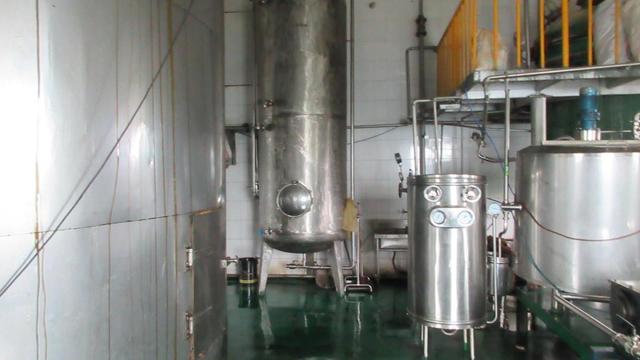
Leveraging advanced extraction technologies and modern manufacturing facilities, Shenzhen Rubrum Biologics offers a comprehensive portfolio of herbal extracts, botanical powders, natural active ingredients, and customized plant-based formulations. Its products are widely used in dietary supplements, functional foods, beverages, nutraceuticals, personal care products, cosmetics, and wellness applications.
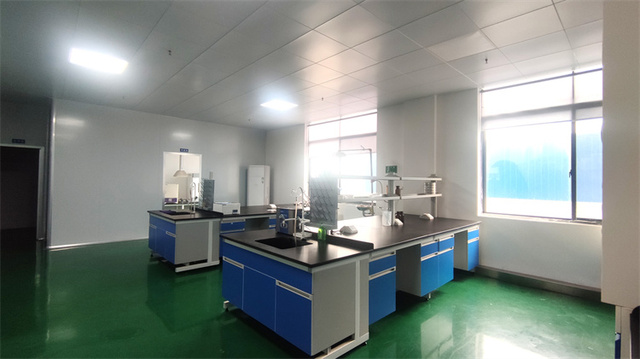
The company is committed to maintaining the highest standards throughout the entire production process, from raw material selection to final product delivery. By implementing rigorous quality control procedures and advanced analytical testing methods, Shenzhen Rubrum Biologics ensures product consistency, purity, and safety in accordance with international quality requirements.
Driven by a dedicated research and development team, the company continuously explores innovative extraction technologies and new botanical applications to meet the evolving needs of global markets. Customized solutions are available to help customers optimize product performance, enhance formulation efficiency, and accelerate product development.
With a customer-oriented philosophy, competitive manufacturing capabilities, and a stable global supply network, Shenzhen Rubrum Biologics Co., Ltd. has established long-term partnerships with manufacturers, distributors, and brand owners across numerous countries. The company remains committed to delivering premium natural plant extract ingredients that support healthier lifestyles and sustainable industry development worldwide.
Assuring compliance with EFSA, Mattilsynet, and European chemical safety registrations.
Although Norway is not a member of the European Union, it is integrated into the single market through the European Economic Area (EEA) Agreement. Consequently, food ingredients, cosmetics, and feed additives imported into Norway must comply with general EU food law regulations and safety standards:
A complete selection of marine-grade ingredients, processing systems, and active extracts.

Technical and regulatory answers for sourcing managers targeting the Norwegian market.
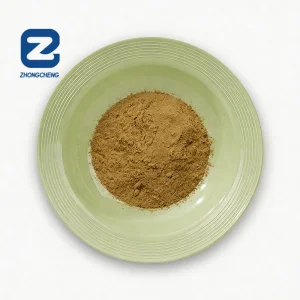
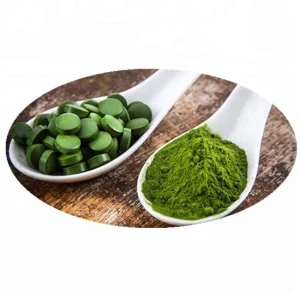
The primary species exported is Ascophyllum nodosum (Norwegian Kelp) extract powder. Although native to Norway, refined powders processed using advanced enzymatic hydrolysis are imported in high volumes due to their fast absorption rate in agricultural soil. They supply natural plant growth hormones (cytokinins, auxins) that stimulate root growth in short growing seasons.
Microencapsulation surrounds the DHA-rich marine microalgae oil droplets in a protective, food-grade protein or starch matrix. This prevents oxidation from air, light, and high manufacturing temperatures, completely neutralizing the marine odor. This process is essential for formulating stable dietary supplements, baby foods, and senior nutrition powders.
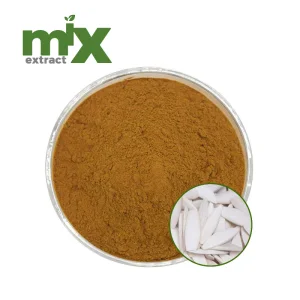
Capsule products, such as our French Maritime Pine Bark Extract Capsules, must comply with regulation (EC) 852/2004 on food hygiene. If sold as a finished supplement, they must adhere to EU Directive 2002/46/EC regarding vitamin and mineral additions. They must also be certified free from unauthorized ethylene oxide residues and contain only European Medicines Agency (EMA) approved excipients.
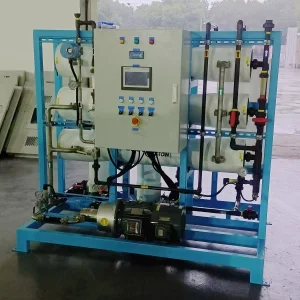
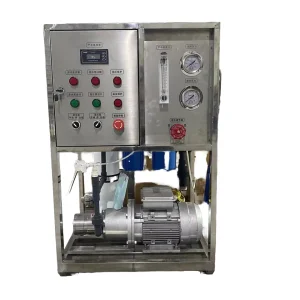
Onshore marine hatcheries, algae-culturing laboratories, and remote offshore aquaculture bases require highly pure, desalinated water. This water is used to prepare precise culturing media, dilute stock solutions, and sanitize equipment without introducing biological pathogens or chemical impurities found in raw coastal seawater.
Yes. We offer organically certified seaweed and marine plant powders produced under strict chemical-free extraction processes. These products comply with Regulation (EC) 2018/848 on organic production, permitting their use in organic agriculture and organic-certified food supplements across Norway and the broader European market.
For standard bulk seaweed powders and botanical extracts, our shipping lead time ranges from 14 to 21 days from receipt of order confirmation. For custom OEM formulations or specific micro-encapsulated batches, times vary from 30 to 45 days. We provide comprehensive shipping documents, including EUR.1 movement certificates, REACH compliance declarations, and ICP-MS testing certifications.
Partner with an experienced global manufacturer. Request customized laboratory samples, detailed specification sheets, or bulk quotes tailored to your market requirements.
Send Inquiry Now Rubrum Biologics