The global herbal wellness and botanical extract economy is undergoing a massive phase transformation. Historically categorized under traditional remedies, modern botanical science has elevated herbal extracts to highly standardized phytochemically active ingredients. With the global wellness market projected to surpass USD 350 billion in the coming years, consumer packaged goods (CPG) companies, dietary supplement formulators, and cosmetic manufacturers are demanding botanical ingredients with standardized active markers, clean label verification, and absolute trace safety.
Consumer intent has shifted from passive health maintenance to proactive cellular defense, stress adaptance (via nootropics and adaptogens), and personalized longevity programs. Standard ingredients such as Panax Ginseng, Ashwagandha (Withania somnifera), and Tongkat Ali (Eurycoma longifolia) are no longer sourced as simple raw root powders. Modern brands formulate based on specific concentrations of active molecules, such as Ginsenosides, Withanolides, and Eurycomanones. Sourcing from technologically advanced manufacturers in China has become a critical strategic advantage for global buyers who require stability, volume, and absolute batch uniformity.
Transitioning from crude plant ratios to precise chemical profiles (HPLC, GC-MS quantified) ensures repeatable physiological outcomes across production batches.
Increasing focus on cognitive enhancement, cortisol modulation, and circadian balance drives double-digit growth in specialized extract consumption.
Global regulatory landscapes require stringent pesticide residue analysis, heavy metal mitigation, and verification of non-GMO raw sourcing.
Shenzhen Rubrum Biologics Co., Ltd. is a pioneering, technologically driven China herbal extract manufacturer. The company is dedicated to the research, development, extraction, and global supply of high-grade botanical extracts for the dietary supplement, food, beverage, and personal care industries. By combining state-of-the-art biological extraction technologies with a highly modernized quality infrastructure, Shenzhen Rubrum Biologics ensures that natural compounds are isolated efficiently while maintaining their structural and physiological integrity.
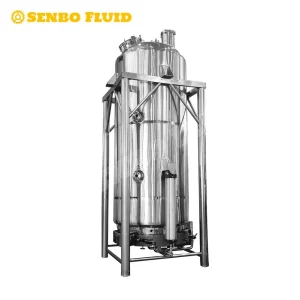
Operating out of China’s leading high-tech corridor, the company utilizes advanced extraction methodologies including supercritical CO2 extraction, low-temperature vacuum concentration, and advanced chromatographic purification. This enables the high-throughput isolation of targeted phytochemical fractions, such as high-concentration Ginsenosides from Panax Ginseng, Withanolides from Ashwagandha, and specific active saponins.
"Our mission is to bridge traditional botanical wisdom with contemporary analytical bioscience, delivering standardized active ingredients that power healthier lifestyles and sustainable product innovations worldwide."
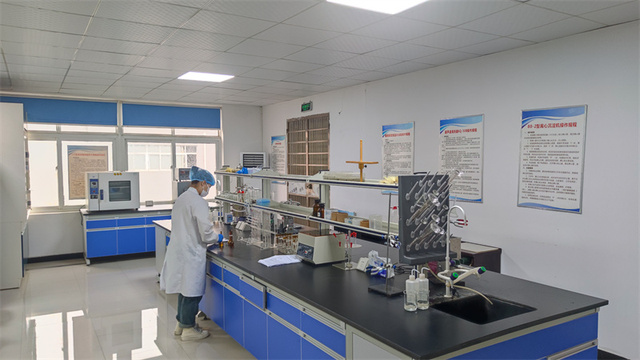
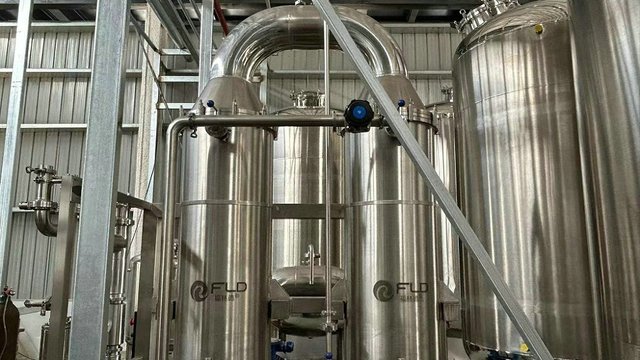
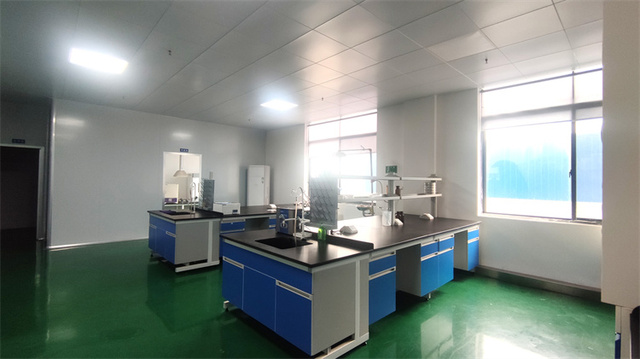
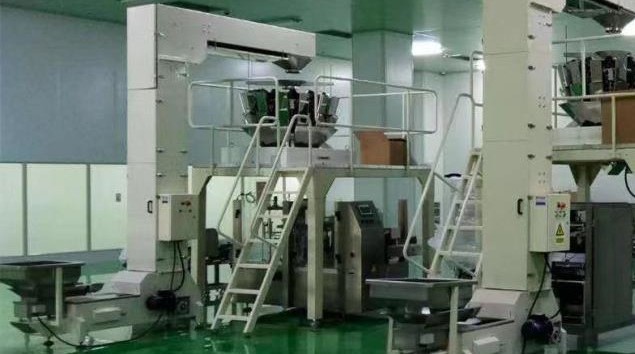
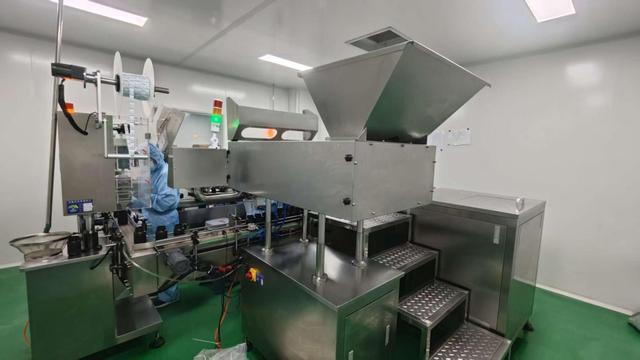
China remains the epicenter of global botanical processing due to a unique combination of raw material proximity, vertical supply chain integration, and unmatched manufacturing scale. Chinese herbal extract factories leverage localized agricultural contracts near geographical source regions (such as Jilin for Ginseng, and Hunan/Sichuan for traditional medicinal roots). This allows fresh raw materials to be processed shortly after harvest, minimizing active component degradation.
Furthermore, Chinese plants feature high-capacity automated extractors, spray-drying towers, and integrated packaging stations. This scale lowers the overhead cost per kilogram, passing significant price advantages down to global supplement and beverage brands. Shenzhen Rubrum Biologics capitalizes on this infrastructure, combining Shenzhen's technological, logical, and export-centric shipping hubs to guarantee uninterrupted global deliveries.
To maintain credibility under Google's E-E-A-T (Experience, Expertise, Authoritativeness, Trustworthiness) frameworks and satisfy strict health authority expectations (FDA, EFSA), Shenzhen Rubrum Biologics implements a multi-tier Quality Management System. The company's laboratory facilities are equipped with High-Performance Liquid Chromatography (HPLC), Gas Chromatography (GC), Atomic Absorption Spectroscopy (AAS), and Ultraviolet-Visible Spectrophotometry (UV-Vis).
Every batch of herbal extract is subjected to testing protocols checking for: active marker concentration, heavy metal content (Lead, Cadmium, Arsenic, Mercury), pesticide residues (multi-residue screening), solvent residuals, and microbiological limits. Our raw botanical inputs are selected through stable agricultural cooperatives, ensuring complete control over pesticide management and soil quality at the farm level.
| Botanical Compound | Common Standardized Spec | Analytical Method | Primary Industrial Application |
|---|---|---|---|
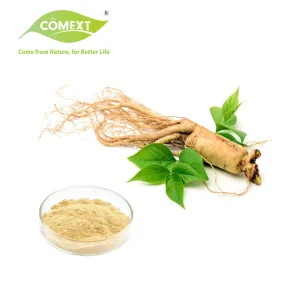
| Panax Ginseng Root Extract | 80% Ginsenosides | HPLC / UV-Vis | Energy Drinks, Nootropics, Dietary Supplements |
| Tongkat Ali Root Extract | 1% - 2% Eurycomanone | HPLC | Sports Nutrition, Men's Vitality Formulas |
| Ashwagandha Root Extract | 5% Withanolides | HPLC | Stress Relief, Adaptogenic Coffee, Sleep Aids |
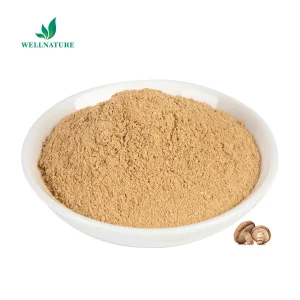
| Shiitake Mushroom Extract | 30% Beta Glucans | UV-Vis / Enzymatic | Immune Support Supplements, Functional Food |
| Jujube Seed Extract | 5% Jujuboside A | HPLC | Calming Elixirs, Natural Sleep Formulations |
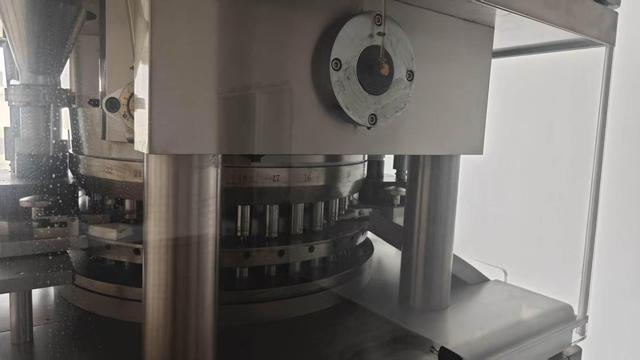
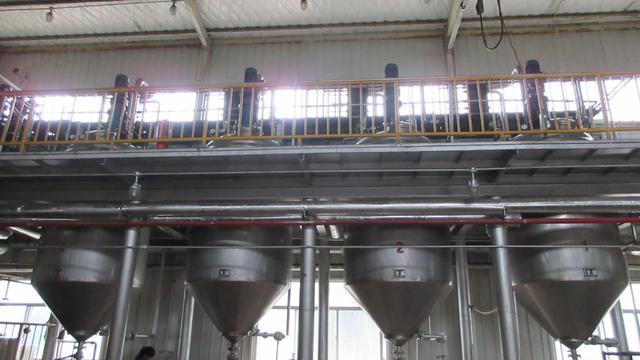
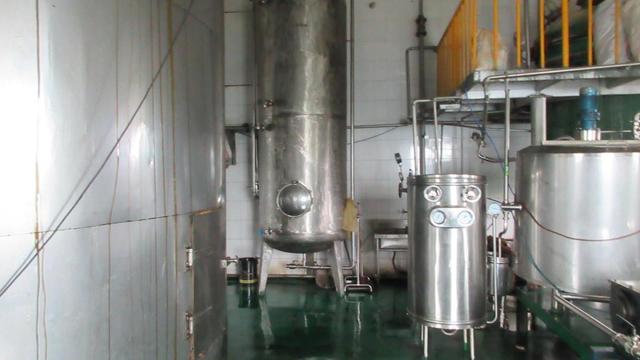
Standardized herbal extracts are versatile ingredients that integrate seamlessly into multiple wellness formulations. Understanding the physico-chemical properties of each extract is critical to avoiding stability issues, sedimentation, or undesirable flavor interactions in final products:
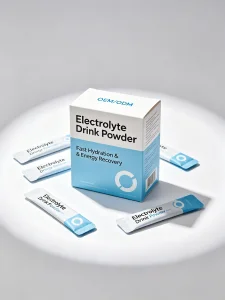
1. Functional Beverages & Sports Nutrition: High-solubility powder extracts, such as our sports-grade electrolyte powders and standardized gingerols, are critical for powdered drink mixes and RTD (ready-to-drink) formulations. Rapid solubility and clarity preservation in solution are prioritized here to prevent grittiness or active ingredient sedimentation.
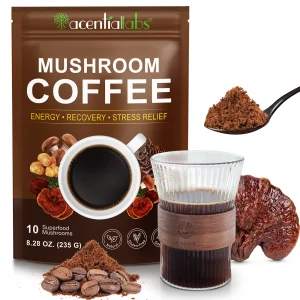
2. Adaptogenic Coffee & Hot Beverages: Mushroom extracts rich in Beta-Glucans (such as Shiitake or Reishi) are processed with heat-stable spray-drying techniques, enabling them to survive hot-water brewing in premium products like mushroom coffees and powdered lattes without degrading therapeutic polysaccharides.
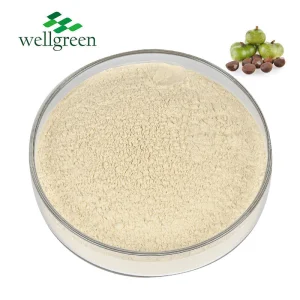
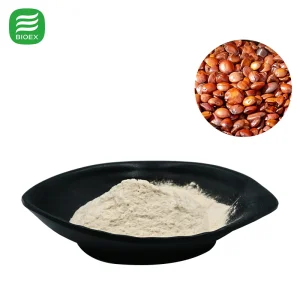
3. Cosmeceuticals & Personal Care: Botanical extracts containing active polyphenols or volatile compounds (like Camellia seed extract or Peppermint oil) are refined for topical bio-availability, supporting antioxidant, skin-barrier, and anti-aging applications.
Sourcing herbal extracts globally requires careful regulatory compliance. Procurement officers must ensure that suppliers provide a comprehensive paperwork trail. Shenzhen Rubrum Biologics mitigates risk for global buyers by providing full documentation for each delivery, including Certificate of Analysis (COA), Technical Data Sheets (TDS), Safety Data Sheets (SDS), and Process Flowcharts.
Our logistics team handles international phytosanitary certificates, custom clearance procedures, and ocean/air freight options. By maintaining a robust supply network and buffer inventories of standard extracts (like Gingerol and Ginsenosides), we protect our partners from price fluctuations and transport delays, ensuring your manufacturing line continues running smoothly year-round.
We employ TLC (Thin Layer Chromatography) for positive botanical identity and HPLC/UV-Vis to verify concentration levels of active marker compounds. Every lot is accompanied by a batch-specific COA that details these tests, heavy metal thresholds, and microbial limits.
A ratio extract (e.g. 10:1) indicates the weight of raw material used to yield one part of extract. A standardized extract (e.g., 80% Ginsenosides) guarantees a precise concentration of the plant's active chemical constituents, regardless of seasonal variations in raw crop batches. Standardized extracts are highly recommended for therapeutic formulations.
Yes. Our R&D team can develop custom solvent formulations, adjust particle sizes, and blend complex botanical mixes (such as mushroom coffee or electrolyte drinks) to meet your brand’s nutritional profile and solubility requirements.
Our raw materials are sourced from controlled agricultural cooperatives. In the laboratory, we run Gas Chromatography-Mass Spectrometry (GC-MS) screenings to check for over 200 common pesticides, ensuring full compliance with European and US FDA tolerances.
 Rubrum Biologics