Rubrum Biologics




1 / 5
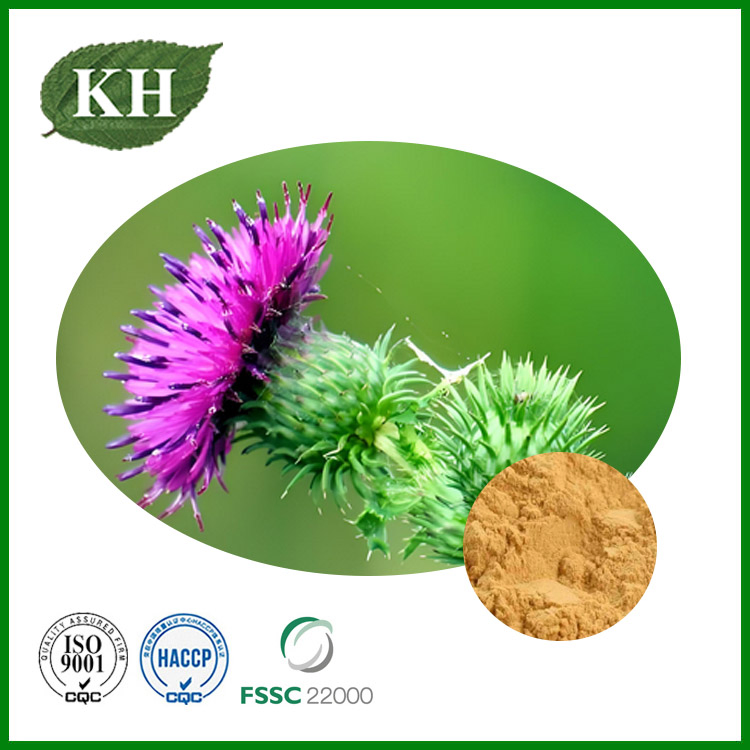
Silymarin is a unique flavonoid complex-containing silybin, silydianin, and silychrisin-that is derived from the milk thistle plant. These unique phytochemicals from the milk thistle have been the subject of decades of research into their beneficial properties.
Milk thistle's common name comes from the white markings on the leaves, its milky white sap, and its traditional use by nursing mothers to increase milk. But it is best known for its use as a liver protectant and decongestant, which can be traced to the Greeks and Pliny the Elder (23-79AD), who wrote that it was excellent for "carrying off bile." The famous English herbalist Culpepper (1616-1654) used milk thistle to cleanse the liver and spleen, and to treat jaundice and gallstones.
In the U.S., the Eclectics-a prominent group of American doctors who practiced during the 20th century-used it for liver problems, and to treat varicose veins, menstrual problems, and kidney disorders. The plant was also cultivated as a food, providing leaves for salad, seeds for a coffee-like drink, and flowers, which were eaten as artichokes are today.
In 1968, a group of German scientists discovered the active flavonoid complex silymarin, which provides milk thistle's medicinal benefits.
Since then, hundreds of studies have been done on silymarin, and it is approved in the German Commission E Monographs (the most accurate information available on the safety and efficacy of herbs) as a supportive treatment for inflammatory liver conditions such as cirrhosis, hepatitis, and fatty infiltration caused by alcohol and other toxins.